



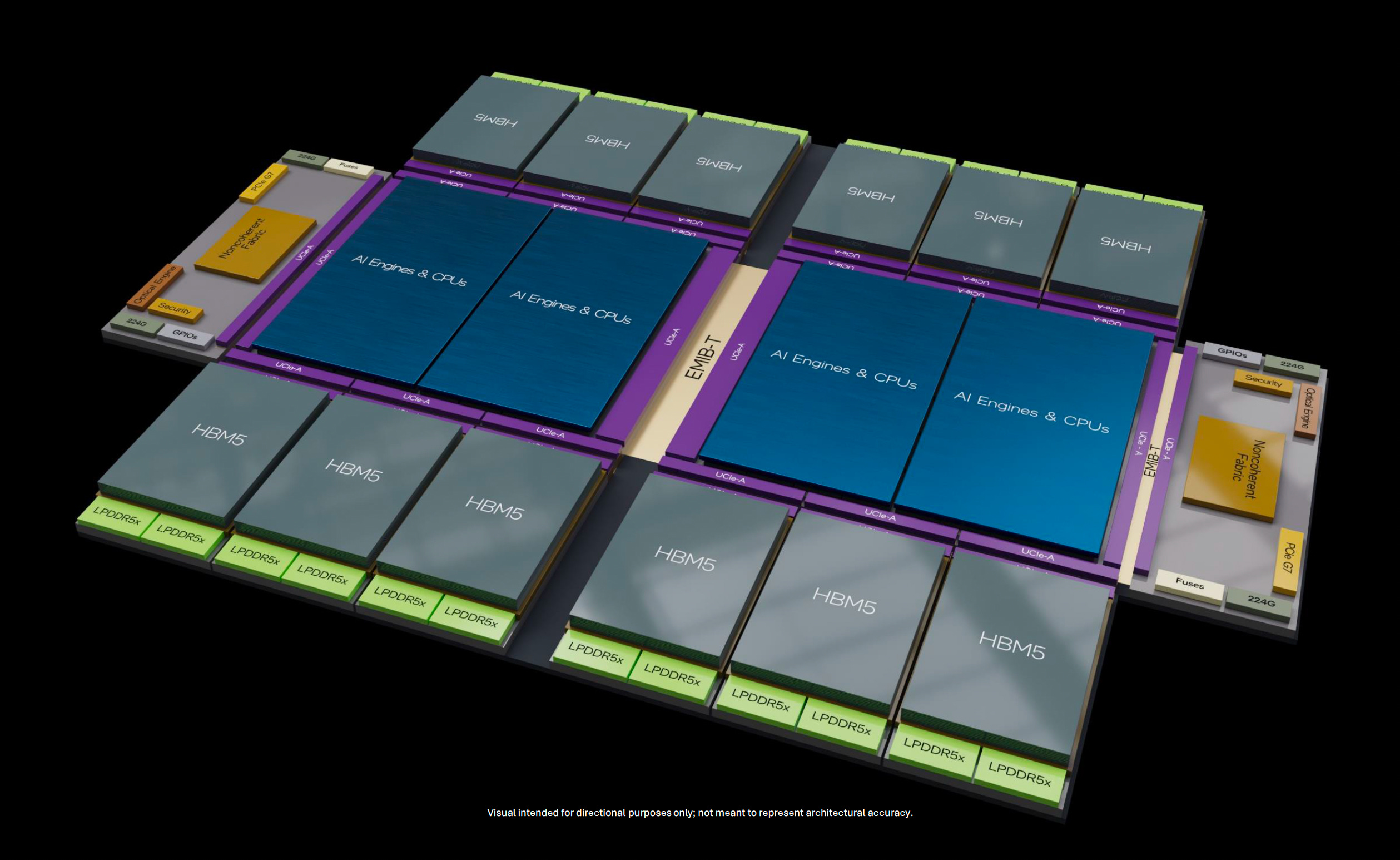
Intel is revealing more details about its upcoming 18A-P process node, and the changes go beyond a simple performance bump. The company is clearly trying to make this node more attractive to external foundry customers, not just for its own chips.
The headline numbers look modest—but meaningful
On paper, the improvements sound small:
- ~9% higher performance at the same power
- ~18% lower power at the same performance
That might not sound dramatic, but for a refined version of an existing node, these are solid gains—especially when combined with deeper architectural changes.
The real upgrade is under the hood
18A-P builds on Intel’s 18A process, which already uses:
- RibbonFET (gate-all-around transistors)
- PowerVia (backside power delivery)
The “P” version improves on this with several technical changes:
| Area | Improvement |
|---|---|
| Transistors | New low-power and high-performance device options |
| Logic tuning | More voltage threshold (VT) options |
| Skew corners | ~30% tighter for better consistency |
| Interconnects | Improved resistance and signal flow |
| Thermals | 50% better heat conductivity |
The thermal improvement is especially important. It does not mean chips run cooler directly—it means heat can move away from hot spots more efficiently, which helps maintain performance under load.
Why tighter “skew corners” matter
One of the less obvious upgrades is the 30% tightening of skew corners.
In simple terms:
- Chips are never perfectly identical
- Some perform better or worse depending on manufacturing variation
Tighter skew means:
- More consistent performance across chips
- Better reliability for large-scale production
- Higher confidence for customers designing around the node
This is critical for foundry clients who need predictable results.
Intel is clearly targeting external customers
18A-P is not just about Intel’s own CPUs. It is part of a larger push to grow its foundry business.
The improvements suggest Intel is trying to:
- Offer better efficiency for AI and HPC chips
- Compete more directly with TSMC
- Increase confidence in its manufacturing roadmap
There are already signs this strategy may be working, with reports of growing interest from major customers.
The thermal improvement could be more important than the speed gain
The 50% boost in thermal conductivity might be the most underrated change.
Modern chips are often limited by heat, not raw transistor speed. Better heat transfer can:
- Allow higher sustained performance
- Reduce throttling
- Improve efficiency in dense designs
This becomes especially important for:
- AI accelerators
- High-core-count CPUs
- Advanced mobile chips
The takeaway: small gains, but smarter engineering
18A-P is not a dramatic leap in raw performance, but that is not the point.
It focuses on:
- Efficiency
- Stability
- Thermal handling
- Manufacturing consistency
These are exactly the things that matter most to large customers designing complex chips.
If Intel can deliver on these improvements in real products, 18A-P could be a key step in rebuilding trust in its foundry business—and making it a more serious competitor in the next generation of chip manufacturing.


Discussion (0)
Be the first to comment.