



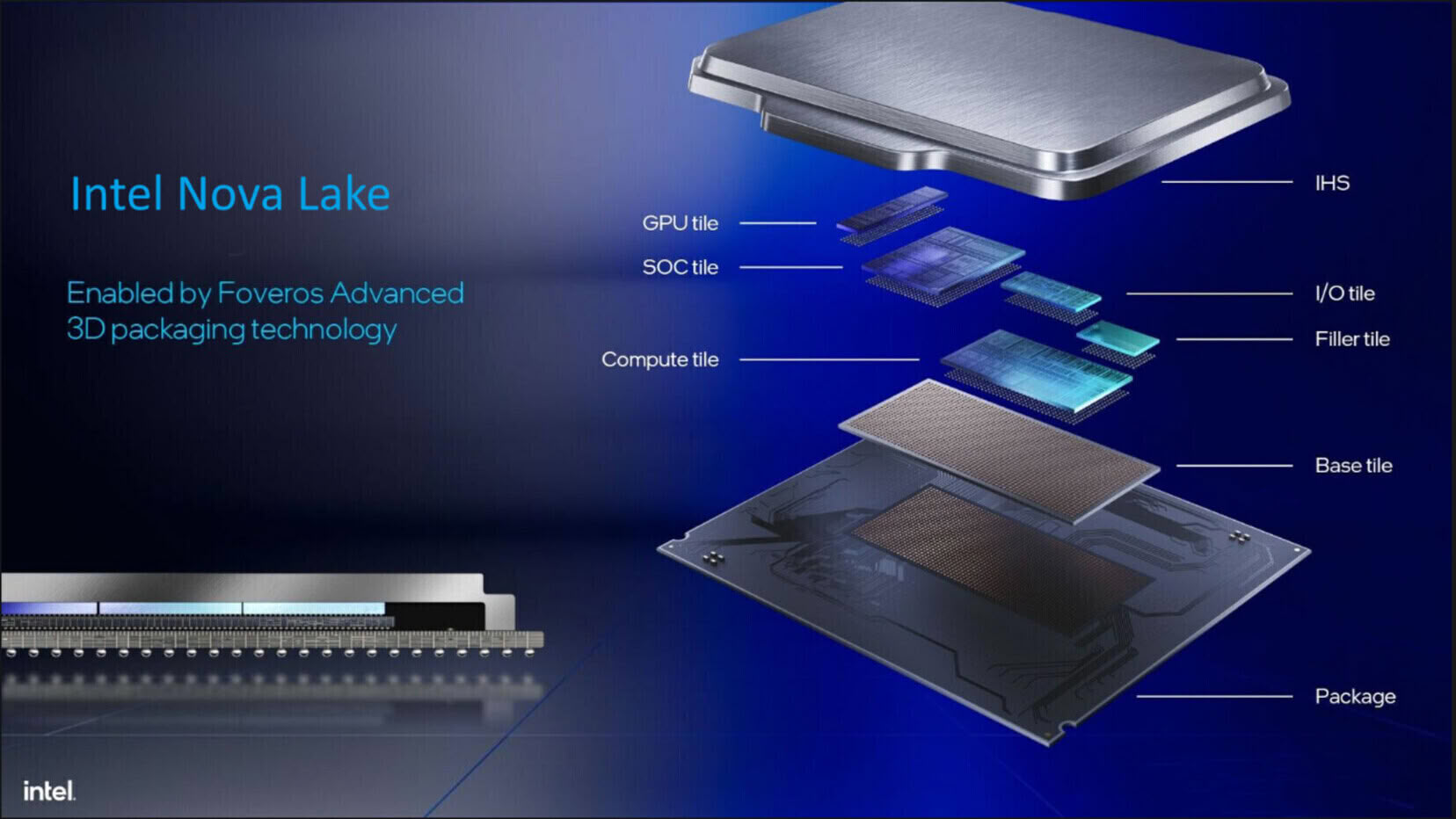
Intel may be preparing an unusual Nova Lake desktop processor with a much stronger integrated graphics unit than the basic display hardware normally included with desktop CPUs.
According to leaked preliminary specifications, the chip could feature 12 Xe3p graphics cores and require a dedicated 65 watt class power delivery section on compatible motherboards. It may also be the only Nova Lake desktop processor that needs two VCCGT power phases.
VCCGT is the voltage rail that supplies power to integrated graphics. Most desktop processors only need limited power for this part of the chip because their graphics hardware is mainly used for display output, video playback, and basic acceleration.
The possible need for two VCCGT phases suggests that Intel is designing this processor for heavier graphics workloads, including gaming without a separate graphics card.
The information remains unconfirmed, so the final specifications, product name, release date, and motherboard requirements could change before launch.
The 65 watt detail remains open to interpretation
The leaked reference to 65 watts could describe the complete processor’s thermal design power rather than the power used only by its integrated GPU.
That interpretation would match the reported CPU configuration. The chip is expected to include four Coyote Cove performance cores, eight Arctic Wolf efficiency cores, and four low power efficiency cores.
A 65 watt total power class would provide room for those CPU cores, the larger graphics tile, and higher operating speeds.
The other possibility is that the 65 watt figure applies specifically to the graphics power delivery system. That appears less likely because two motherboard power phases would provide a relatively narrow design for a graphics unit consuming the full 65 watts.
| Leaked feature | Reported detail |
|---|---|
| Processor family | Intel Nova Lake S |
| Performance cores | 4 Coyote Cove cores |
| Efficiency cores | 8 Arctic Wolf cores |
| Low power efficiency cores | 4 |
| Integrated graphics | 12 Xe3p cores |
| Graphics architecture | Celestial |
| Graphics power phases | Two VCCGT phases |
| Possible power class | 65 watts |
| Socket | LGA 1954 |
| Expected launch period | Early 2027 |
Intel could target compact gaming systems
Intel usually equips its desktop processors with modest integrated graphics. The hardware is generally sufficient for troubleshooting, office work, media playback, and operating a monitor, but it is rarely intended to replace a dedicated gaming GPU.
The leaked Nova Lake chip would follow a different approach. A 12 core Xe3p graphics unit could make it suitable for small gaming PCs that do not have enough space, cooling, or power capacity for a separate graphics card.
Other possible uses include compact workstations, local artificial intelligence systems, and prebuilt desktops sold in markets where dedicated graphics cards remain expensive.
Intel has tried a similar strategy before. The Broadwell based Core i7 5775C combined Iris Pro graphics with 128 MB of embedded memory and became popular among enthusiasts who valued its unusually capable integrated graphics.
Nova Lake would use a more modern design by pairing a standard desktop CPU section with a much larger Celestial graphics tile.
Xe3 graphics have already shown strong gaming performance
Intel’s recent integrated graphics have become far more capable than earlier generations. Xe3 based hardware has already appeared in Panther Lake laptops and handheld gaming systems.
The Arc B390 configuration has demonstrated that Intel’s latest architecture can handle modern games at practical settings. A desktop version could perform better if it receives additional power, faster memory, and more consistent cooling.
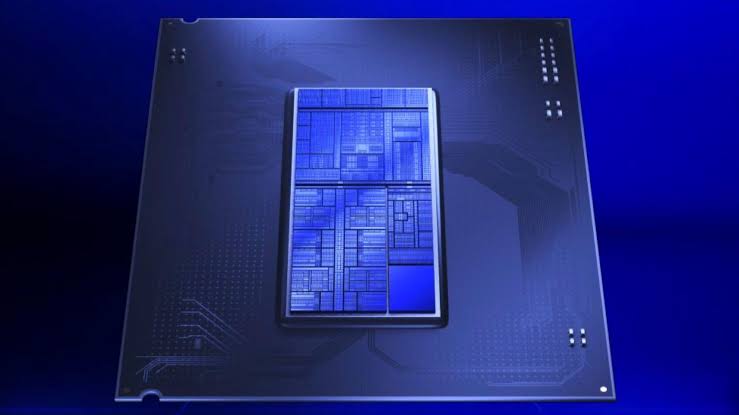
Memory bandwidth will still be important. Integrated graphics share system memory with the processor, so performance may depend heavily on fast DDR5 modules.
High speed CUDIMM memory could help the graphics unit reach its full potential, especially in games that move large amounts of texture and frame data.
The final result may not compete with a high end dedicated graphics card, but it could provide useful gaming performance in a smaller and simpler system.
Some Nova Lake motherboards may not fully support the chip
The special power delivery requirements could create compatibility problems. Not every LGA 1954 motherboard may include two VCCGT phases.
Lower cost boards with a single phase graphics power system could limit clock speeds, reduce boost behaviour, or fail to support the processor entirely.
Buyers may therefore need to check motherboard compatibility lists carefully instead of assuming that every Nova Lake chip will work properly in every board using the correct socket.
Motherboard manufacturers could also create specific models for this processor, with stronger graphics power delivery and memory support aimed at compact gaming systems.
Repeated leaks suggest that Intel is developing one specialised product rather than an entire family of desktop processors with large integrated GPUs.
That would allow the company to test demand without changing the graphics design across its full Nova Lake range.
Intel has not officially confirmed the chip, and the company could still revise or cancel it. However, its repeated appearance in leaked information makes the product increasingly credible.
A Nova Lake processor with 12 Xe3p graphics cores could give desktop buyers a rare option between weak integrated graphics and a separate GPU. Its value will depend on price, motherboard support, memory requirements, and real gaming performance when the platform arrives.



Discussion (0)
Be the first to comment.