




Intel’s upcoming Crescent Island AI accelerator has appeared in a new PCB leak, giving an early look at the company’s next data center GPU for inference workloads. The leaked board shows a large Xe3P based GPU, a single 16 pin power connector, and support for up to 160GB of LPDDR5X memory.
Crescent Island is not aimed at gaming PCs. It is being built for AI inference, especially workloads where companies need strong memory capacity, good performance per watt, and lower costs than the most expensive HBM based accelerators.
The leaked PCB was shared by YuuKi_AnS and shows a large GPU package that appears much bigger than Intel’s current Xe2 based BMG G31 design. The chip uses Intel’s Xe3P architecture, which follows the Xe3 architecture Intel recently discussed for future graphics products.
The most interesting part is memory. Instead of using HBM, Intel appears to be using LPDDR5X. The board reportedly has 12 memory sites on the front and 8 on the back, for 20 total LPDDR5X modules. With 8GB per module, that gives the card a total of 160GB.
| Crescent Island detail | Reported information |
|---|---|
| Product type | Data center AI inference accelerator |
| GPU architecture | Intel Xe3P |
| Memory type | LPDDR5X |
| Memory capacity | Up to 160GB |
| Memory layout | 20 modules, 8GB each |
| Power connector | Single 16 pin connector |
| PCB power design | 13 populated VRMs, 18 total positions |
| Sampling target | Second half of 2026 |
Intel’s decision to use LPDDR5X could be important. NVIDIA and AMD rely heavily on HBM for high end AI accelerators, but HBM is expensive and in short supply because AI demand is so high. LPDDR5X may not match HBM in every area, but it can help Intel offer a more cost focused product with large memory capacity.
That could make Crescent Island useful for companies running inference services, including tokens as a service providers. Inference workloads often need memory capacity and efficiency, but they may not always require the same HBM bandwidth as training large models.
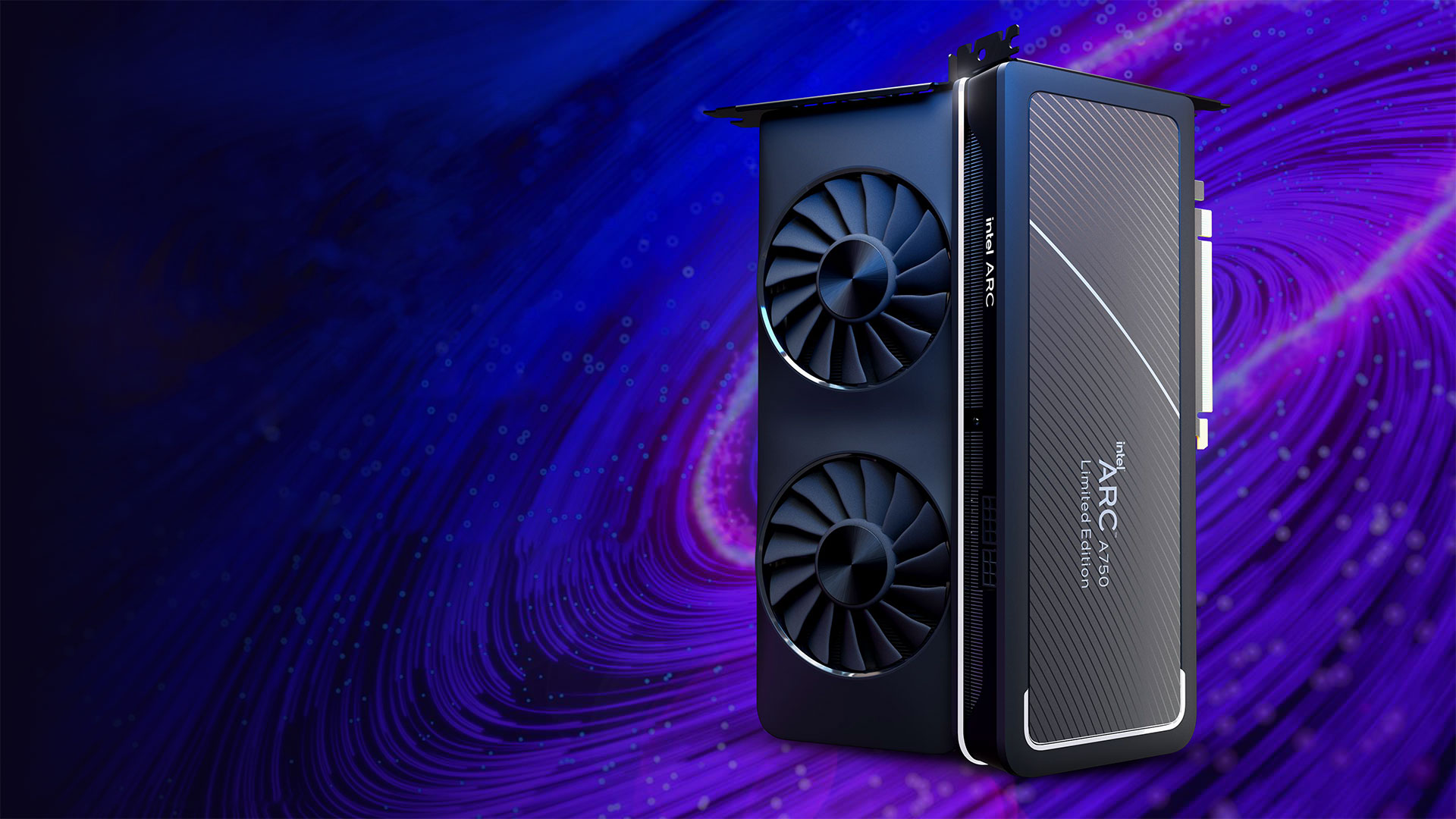
Intel says Crescent Island is being designed for air cooled enterprise servers and will focus on power and cost efficiency. That positioning is important because many data centers want AI accelerators that can fit into existing server environments without extreme cooling requirements.
The leak also points to a side USB Type C port, likely used for testing. The PCB looks closer to final hardware than an early concept, though Intel has not officially launched the product yet.
Xe3P is expected to scale from client graphics to data center AI GPUs. On the consumer side, related technology may appear in future Arc C Series products. In the data center, Crescent Island will be one of Intel’s attempts to become more relevant in AI hardware beyond CPUs.
Intel is also working on its open and unified software stack for heterogeneous AI systems. That matters because hardware alone will not be enough. To compete with NVIDIA’s mature AI ecosystem, Intel needs strong software support, developer tools, and easy deployment paths.
Crescent Island does not look like a direct replacement for the biggest HBM powered AI accelerators from NVIDIA or AMD. Instead, it appears to be a more practical inference focused card built around memory capacity, lower cost, and enterprise deployment.
If Intel can deliver the right price, power use, and software support, Crescent Island could give the company a clearer role in AI inference. The leaked PCB suggests the hardware is moving forward, and more details should arrive as Intel moves toward customer sampling in the second half of 2026.


Discussion (0)
Be the first to comment.