



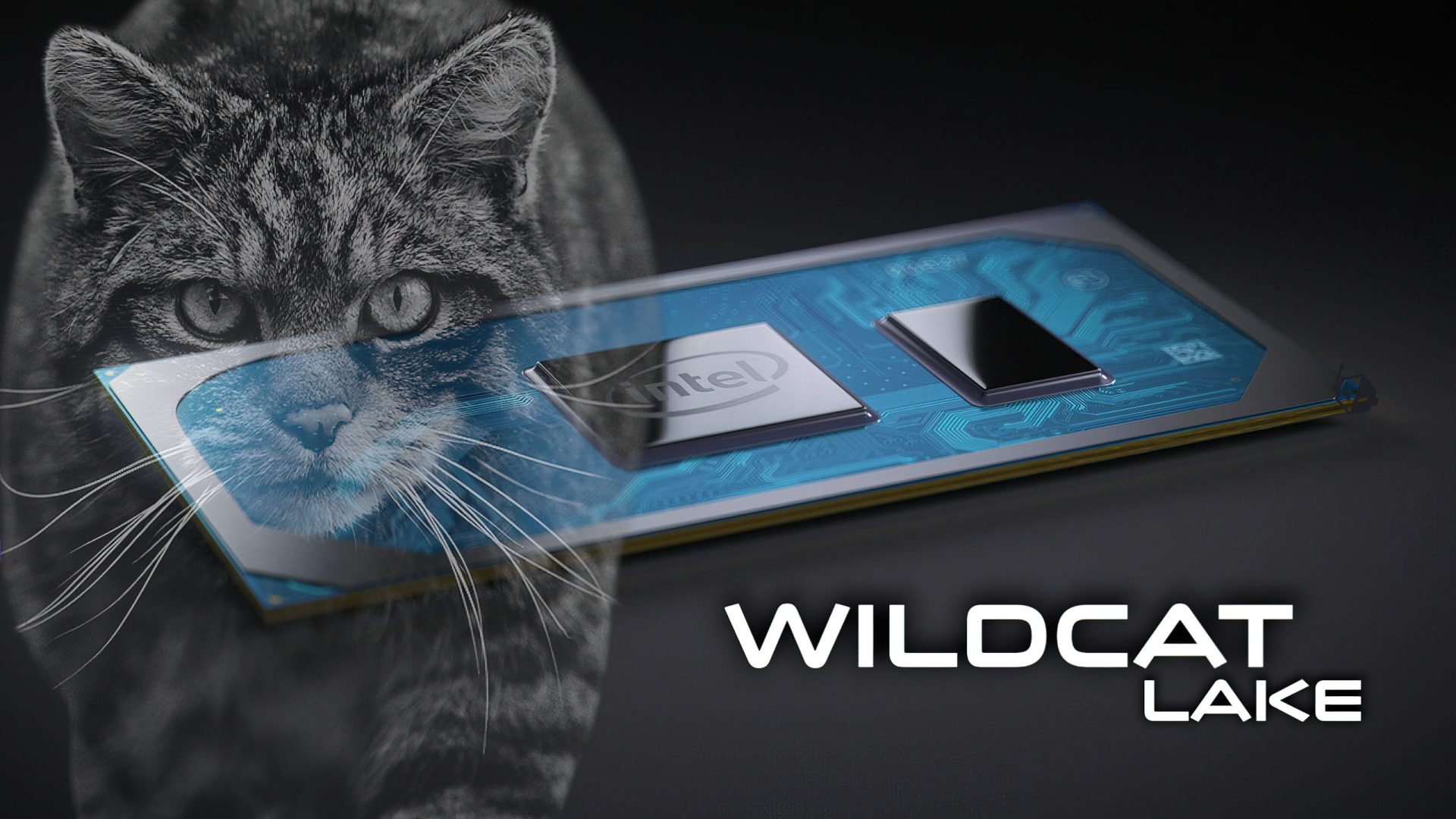
Intel’s entry level Core 3 304 has appeared in fresh PassMark results, where it matches Apple’s A18 Pro in multi threaded performance despite using one fewer core. The result gives Intel’s Wildcat Lake lineup another positive sign as it targets affordable, low power laptops that can handle everyday work without needing high end hardware.
The Core 3 304 is part of Intel’s Wildcat Lake family, which is designed for thin, light, and low power Windows laptops. It uses a 5 core layout with one performance core and four efficiency cores. Apple’s A18 Pro, used in the upcoming MacBook Neo discussion, carries six cores, yet Intel’s chip is now trading blows with it in PassMark.
This does not mean the Core 3 304 is suddenly a flagship processor. It does suggest that Intel’s newest entry level chips could be much more competitive than expected for basic productivity, web browsing, office work, and lightweight computing.
Why this benchmark matters
The Core 3 304 had previously trailed the Apple A18 Pro in PassMark, especially in single threaded results. The latest entry changes that picture. In one recent sample, the Intel chip reportedly reached the same single thread score as the A18 Pro, while continuing to stay close in multi threaded performance.
That is notable because Wildcat Lake is not meant to compete with premium laptop chips. It is meant to power cheaper and lighter systems that still feel responsive for daily use.
| Chip | Core layout | Reported PassMark position |
|---|---|---|
| Intel Core 3 304 | 5 cores, 1 performance plus 4 efficiency | Matches A18 Pro in latest single thread sample and multi thread range |
| Apple A18 Pro | 6 cores | Strong single thread average and similar multi thread result |
| Intel advantage | One fewer core | Competitive in everyday benchmark performance |
| Apple advantage | More tested samples | More mature average score |
The main limitation is sample size. Apple’s chip has many more tested entries, while the Core 3 304 only has a few results so far. That means the final average may shift as more laptops are tested.
Wildcat Lake is aimed at affordable Windows laptops
Intel’s Wildcat Lake chips are designed to fill a growing gap in the laptop market. Many buyers want efficient, fanless or quiet laptops for basic tasks, but they do not want to pay premium prices.
Apple is expected to target that space with the MacBook Neo, using an A18 class chip to deliver good battery life and smooth everyday performance. Intel’s Wildcat Lake laptops could compete by offering similar low power performance while also providing more RAM and storage at comparable prices.

That last point matters. Entry level MacBooks often start with limited memory and storage, while some Windows laptops using Wildcat Lake may offer more practical configurations out of the box.
The Core 3 304 is the weakest Wildcat Lake chip
The Core 3 304 is reportedly the lowest end processor in the Wildcat Lake lineup. That makes the benchmark more interesting. If the weakest chip can approach Apple’s A18 Pro in some tests, higher end 6 core Wildcat Lake models could be more capable.
Intel’s Wildcat Lake family uses technology related to Panther Lake, including Cougar Cove and Darkmont cores. The goal is to deliver better performance per watt for lightweight devices.
That kind of design is important because entry level laptops cannot rely on high power draw or large cooling systems. They need chips that feel fast while staying efficient.
Single thread performance is still important
A lot of everyday laptop work depends on single thread performance. Opening apps, browsing the web, working in documents, handling simple photo edits, and moving through the operating system all benefit from strong single core speed.
The latest Core 3 304 sample reaching the A18 Pro’s single thread score is a strong sign, even if the average still sits behind Apple’s chip. Current PassMark averages reportedly put the Core 3 304 around 8 percent slower in single thread performance, but more samples are needed before drawing a firm conclusion.
For buyers, the practical question is not whether the chip wins every benchmark. It is whether a cheap laptop feels quick enough for daily use. These early numbers suggest it might.
Multi thread performance looks efficient for the core count
The multi threaded result is also worth watching because the Core 3 304 has one fewer core than the A18 Pro. Matching Apple’s chip in that area suggests Intel’s core design and scheduling may be working well for this class of processor.
That said, benchmarks do not tell the whole story. Real world performance will depend on laptop cooling, power limits, memory speed, storage, Windows optimization, and app compatibility.
Still, PassMark gives a useful early look at how these chips may compare in basic CPU workloads.
Intel may have a strong budget laptop chip
Wildcat Lake could become important for Intel if laptop makers use it in affordable systems with good memory and storage. The budget laptop market has often been held back by slow processors, weak displays, and limited RAM. A low power chip that feels fast enough could make cheaper Windows laptops much better.
The Core 3 304 is not built for gaming, heavy content creation, or workstation tasks. It is built for simple, efficient computing. In that role, matching or approaching Apple’s A18 Pro in early benchmark results is a promising sign.
The bigger test will come when real laptops arrive in larger numbers. If Wildcat Lake systems deliver good battery life, quiet operation, and strong configurations at reasonable prices, Intel could have a real answer to Apple’s lower cost MacBook plans.
For now, the Core 3 304 looks like a small chip with a surprisingly strong showing.



Discussion (0)
Be the first to comment.