



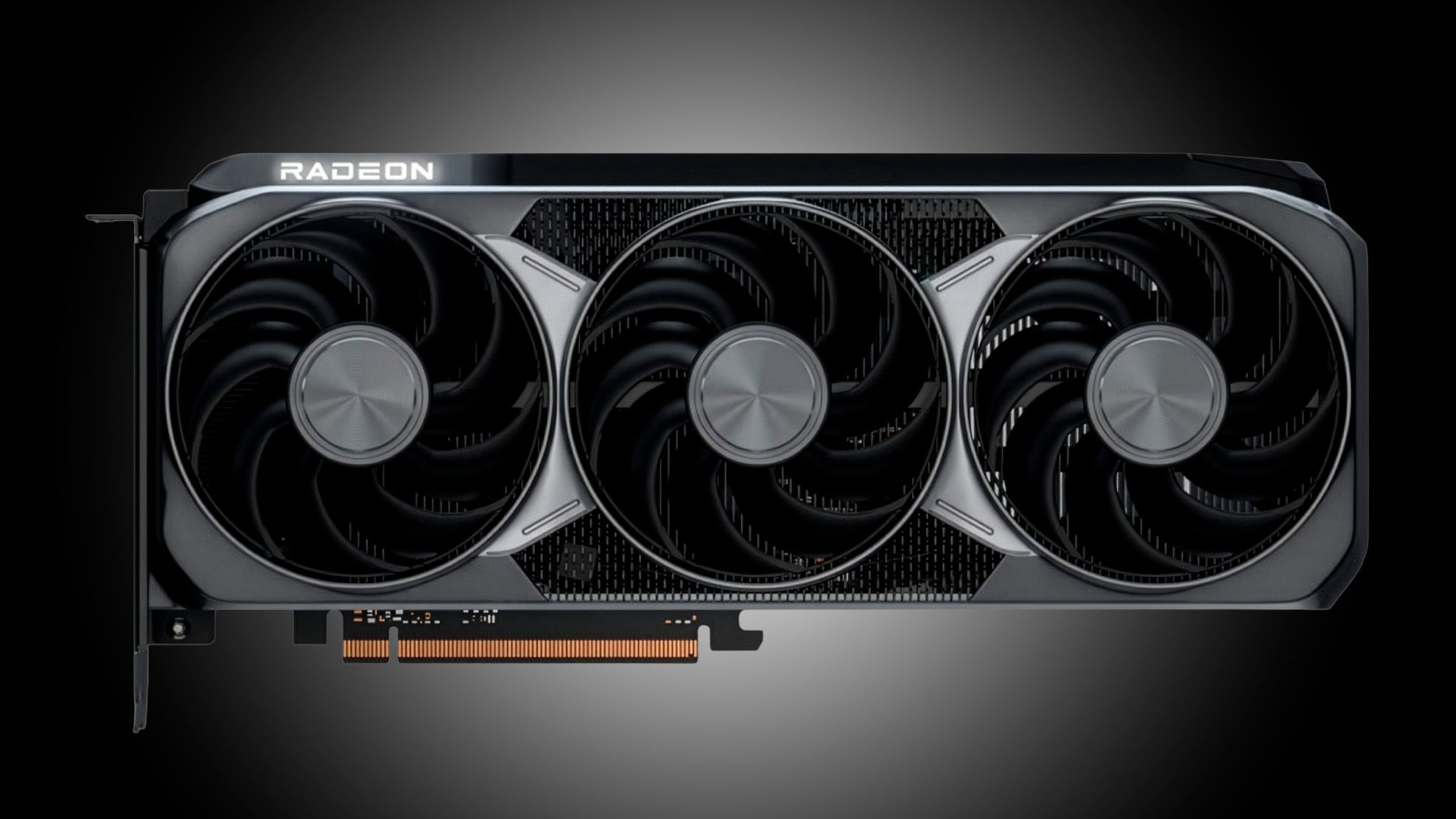
AMD’s Radeon RX 9000 graphics cards may become more expensive again in the third quarter of 2026, with a reported 10 to 15 percent price increase linked to rising VRAM costs. The report is not confirmed, but it fits the wider trend in the PC hardware market, where memory and storage prices have been climbing because AI servers are consuming more supply.
The possible price increase would affect AMD’s latest Radeon RX 9000 series cards, especially models with higher VRAM capacities. GPU makers have already raised prices several times over the past six months, and the latest report suggests the pressure from memory costs is not easing yet.
NVIDIA, however, is reportedly not planning a similar near term price increase for its RTX 50 series cards, at least for now. That could leave AMD in a difficult position if Radeon prices rise while GeForce pricing stays more stable.
Why Radeon RX 9000 prices may rise again
The main reason is VRAM. Modern graphics cards rely on dedicated video memory, and the cost of that memory has increased sharply during the broader RAM and NAND shortage.
AI companies are buying large amounts of memory and storage for servers, data centers, and accelerators. That demand affects the same supply chain that also supports gaming PCs, laptops, SSDs, and graphics cards.
| Reported change | Details |
|---|---|
| Product line | AMD Radeon RX 9000 series |
| Possible price increase | 10 to 15 percent |
| Expected timing | Third quarter of 2026 |
| Main reason | Rising VRAM costs |
| Report status | Rumor, not confirmed |
| NVIDIA status | No near term price hike reported |
| Most affected cards | Higher VRAM models |
If VRAM prices keep increasing, board partners and GPU makers may pass the added cost to customers rather than absorb it.
The RAMpocalypse is now hitting GPU buyers harder
The memory shortage has already made PCs, handhelds, laptops, SSDs, and some accessories more expensive. Graphics cards are now feeling the same pressure because higher VRAM capacities make memory a bigger part of the total cost.
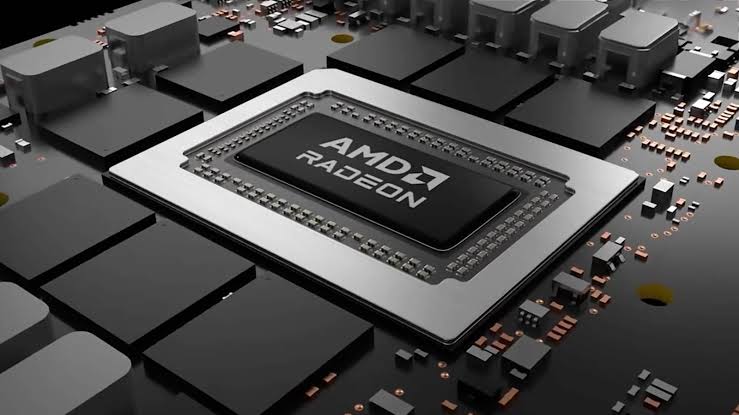
This is especially visible on mid range and high end GPUs. Cards with 16GB or more VRAM are more exposed to memory pricing changes than lower capacity models.
That creates a difficult situation for PC gamers. Many modern games already benefit from more VRAM, especially at higher resolutions. But if the cards with more memory become much more expensive, buyers may be forced to choose between paying more now or settling for less future proof hardware.
AMD could face a competitive problem
A 10 to 15 percent increase could make RX 9000 cards harder to recommend in some regions. Radeon GPUs often compete on value, so price changes can quickly affect how attractive they look next to NVIDIA alternatives.
The report suggests NVIDIA is not preparing an immediate price increase, which would make the situation more difficult for AMD. If RTX 50 pricing stays steady while RX 9000 pricing rises, some buyers may shift toward NVIDIA even if AMD’s cards still perform well.
This matters because Radeon cards have already struggled in some markets when pricing moved too far above expected levels. Retailers in regions such as Germany and Japan have reportedly seen weaker demand for RDNA 4 cards when prices were much higher than MSRP.
Higher end GPUs remain the priority
Despite the pricing pressure, both AMD and NVIDIA appear focused on higher end models with larger VRAM capacities. That makes sense from a business perspective because those cards usually carry better margins.
But it also leaves budget conscious gamers in a tough spot. Lower end GPUs may still sell well because many buyers cannot afford $500 or higher cards, but those models may offer less memory and weaker long term value.
The current market is forcing buyers into uncomfortable tradeoffs. Paying more for a stronger GPU may feel safer, but prices are rising. Buying a cheaper card may save money now, but it could age faster if VRAM demands keep growing.
The report is still not final
The possible AMD price hike should still be treated as a rumor. The report itself is described as not definitive, which means the final outcome could change depending on memory pricing, supply deals, retailer behavior, and regional market conditions.
Still, the wider trend makes it believable. Many hardware vendors expect memory and SSD pricing to remain high through 2026 and into 2027. If that happens, graphics card prices may stay under pressure for a long time.
Even without a new formal price increase, customers may still see higher street prices if retailers and board partners adjust based on supply costs.
PC gamers may want to watch prices closely
Anyone planning to buy a Radeon RX 9000 GPU should watch pricing over the next few weeks. If the reported increase starts appearing in July or later in the third quarter, some cards may become less attractive quickly.
That does not mean everyone should panic buy. Prices can vary by region, retailer, model, and inventory levels. Some stores may discount slower moving stock, while others may raise prices earlier.
For AMD, the risk is clear. Another price hike could weaken Radeon’s value argument at the exact moment when PC gamers are already tired of expensive hardware. For buyers, the message is just as simple: GPU pricing is still unstable, and the memory shortage is now one of the biggest forces shaping the market.



Discussion (0)
Be the first to comment.