



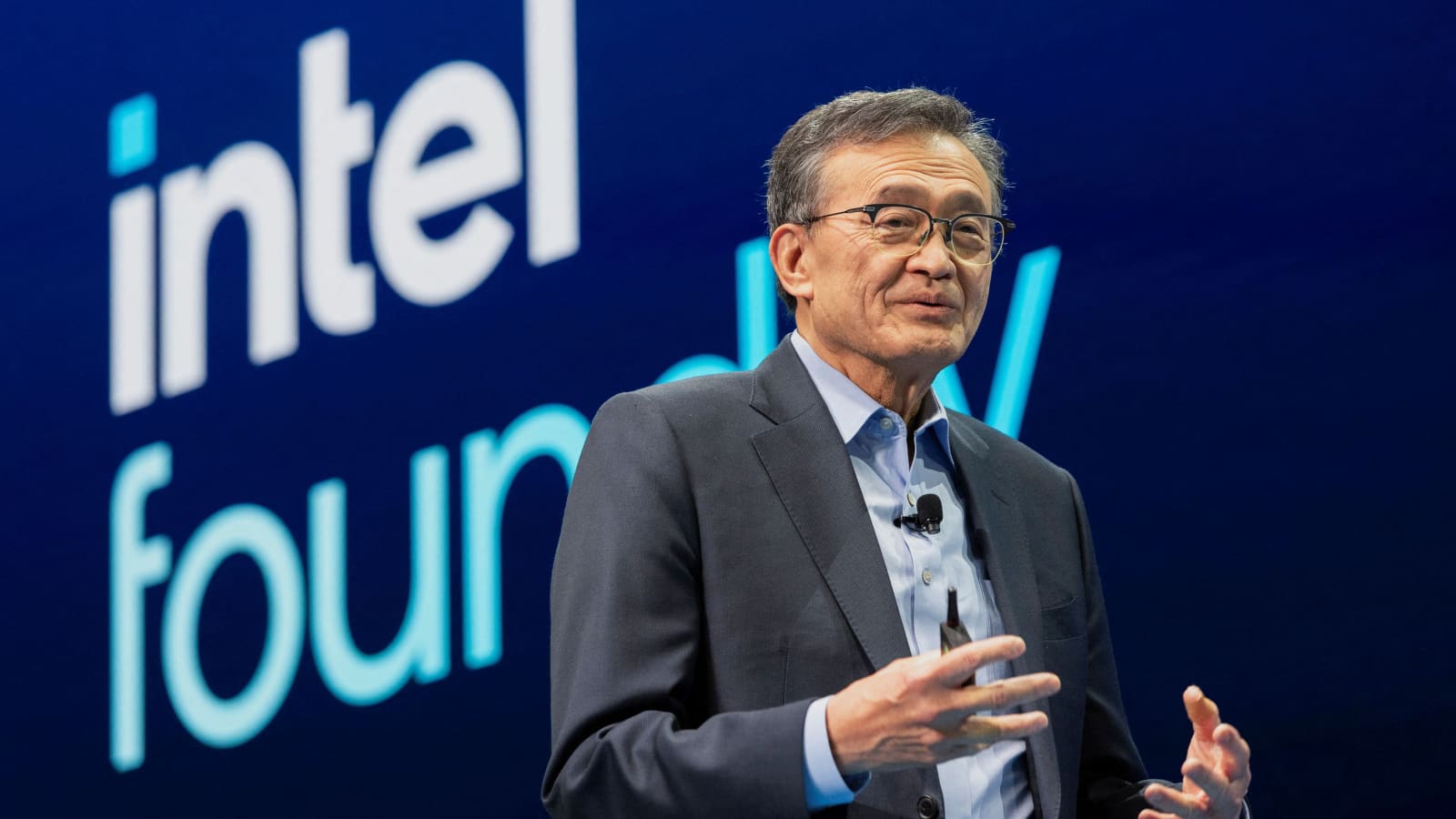
Intel CEO Lip Bu Tan says the company’s foundry business is becoming a key part of America’s semiconductor strategy, calling it a “national treasure” as more outside customers show interest in Intel’s advanced manufacturing and packaging technologies.
Tan made the comments during an interview with CNBC’s Jim Cramer, where he discussed Intel’s foundry recovery, 18A yield progress, future 14A plans, and rising demand tied to AI workloads.
His argument is simple: too much of the world’s most advanced chip production happens outside the United States. Tan said more than 90 percent of the most advanced processors are currently manufactured outside the country, making domestic chipmaking capacity a major strategic issue.
Intel’s foundry business has struggled in recent years, but Tan says the situation is improving. When he took over, Intel’s 18A yields were not good enough. He said he worked with ecosystem partners to examine the data and improve the process. The company is now seeing yield improvement near the industry standard of 7 percent to 8 percent per month.
That progress matters because 18A is one of Intel’s most important manufacturing nodes. It will be used for Panther Lake CPUs, which Tan says can now ship in volume. The stronger yield results are also making outside companies more interested in using Intel’s process technology.
| Intel technology | Current importance |
|---|---|
| 18A | Ramping for Panther Lake and drawing outside customer interest |
| 18A P | Expected to support more advanced customer products |
| 14A | Planned for risk production in 2028 and volume production in 2029 |
| EMIB | Advanced packaging technology for future chip designs |
| Substrates | In tight supply, with some customers prepaying to secure capacity |
Tan also talked about Intel’s next major node, 14A. He described it as Intel’s most advanced process technology and said risk production is planned for 2028, with volume production expected in 2029. He also said Intel already has multiple customer engagements around 14A, with early process design kit work available.
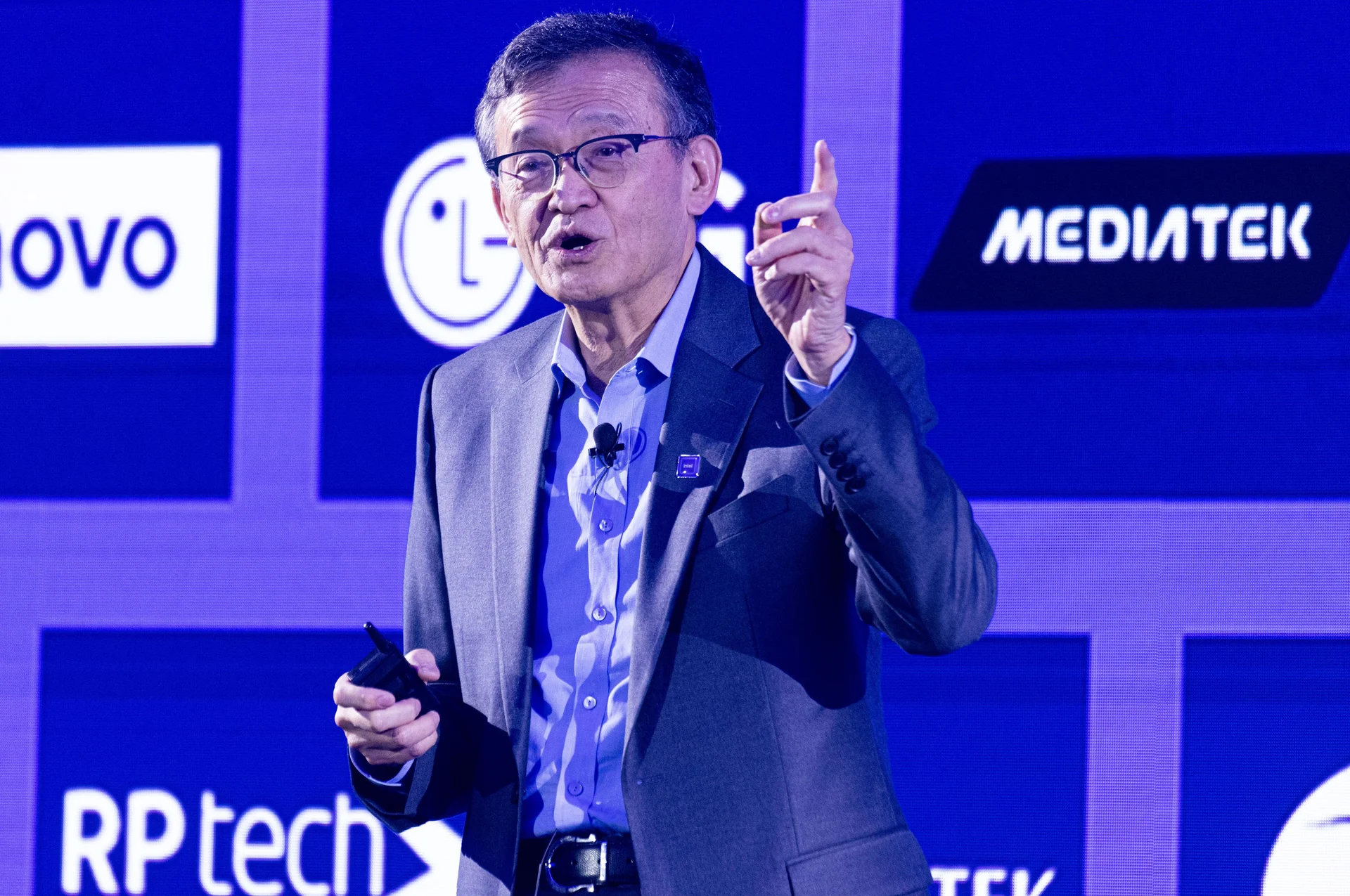
That timing is important because Intel wants 14A to compete directly with TSMC’s own 1.4nm class technology. If Intel can stay on schedule, it could give the company a stronger chance to win major external foundry customers.
Advanced packaging is another key part of the plan. Tan highlighted EMIB as one of Intel’s strongest technologies. EMIB helps connect multiple chip components in advanced packages, which is becoming more important as AI chips grow larger and more complex.
Substrate supply is also becoming a concern across the industry. Tan said some customers are even prepaying for substrates, showing that they are serious about securing future capacity. That is notable because packaging materials are becoming a bottleneck as AI demand increases.
The AI boom is also lifting CPU demand, not only GPU demand. Tan said one customer wanted to triple its CPU forecast, but Intel could not meet that kind of increase overnight. He said the demand tied to agentic AI is not short term and could last for the next few years.
The bigger message is that Intel is trying to become more than a chip designer again. It wants to be a serious foundry alternative for companies that need advanced manufacturing, packaging, and supply chain resilience.
There are still challenges. Intel must keep improving yields, prove that 18A can scale reliably, deliver 14A on time, and convince major customers that it can compete with TSMC. But Tan’s comments suggest that Intel is seeing stronger momentum than before.
For Intel, the foundry turnaround is now central to its future. If 18A and 14A succeed, the company could regain trust, win more outside customers, and play a much larger role in the AI hardware supply chain.

Discussion (0)
Be the first to comment.