




Intel has reportedly partnered with Taiwan’s UMC on advanced chip manufacturing, including planned work on 12nm and 3nm process technologies. The reported deal would allow UMC to move into more advanced manufacturing without spending heavily on new equipment, while Intel would gain another partner as it tries to build a stronger foundry business and compete more directly with TSMC.
The reported production would take place at Intel’s Arizona plants. If the details are accurate, the 12nm collaboration could first target products for areas such as IoT and WiFi, while the more ambitious 3nm effort would aim at leading edge chip manufacturing.
The report comes as Intel CEO Lip Bu Tan pushes to strengthen Intel Foundry and turn the company into a more serious option for external chip customers.
Why the Intel and UMC partnership matters
UMC is Taiwan’s second largest contract chip manufacturer and has long focused on mature process nodes. These older nodes remain important for industrial electronics, automotive hardware, networking, consumer devices, and many embedded systems.
Moving into advanced manufacturing is expensive, especially at nodes like 3nm. The required equipment, process development, and factory investments can cost billions of dollars. A partnership with Intel could give UMC access to more advanced production without building an entire leading edge infrastructure on its own.
| Company | Role in reported partnership |
|---|---|
| Intel | Provides manufacturing capacity through Arizona fabs |
| UMC | Gains access to more advanced process technology |
| 12nm focus | IoT, WiFi, and related products |
| 3nm focus | Leading edge chip manufacturing |
| Strategic target | Compete more directly with TSMC |
| Expected location | Intel plants in Arizona |
For Intel, the deal could help fill fab capacity and attract more foundry customers. For UMC, it could open a path beyond its mature node business.
The 12nm work may arrive first
The report says the 12nm part of the collaboration is moving quickly. The first process design kits could reportedly reach customers this year, allowing chip designs to tape out at the start of next year and move toward production by the end of 2027.
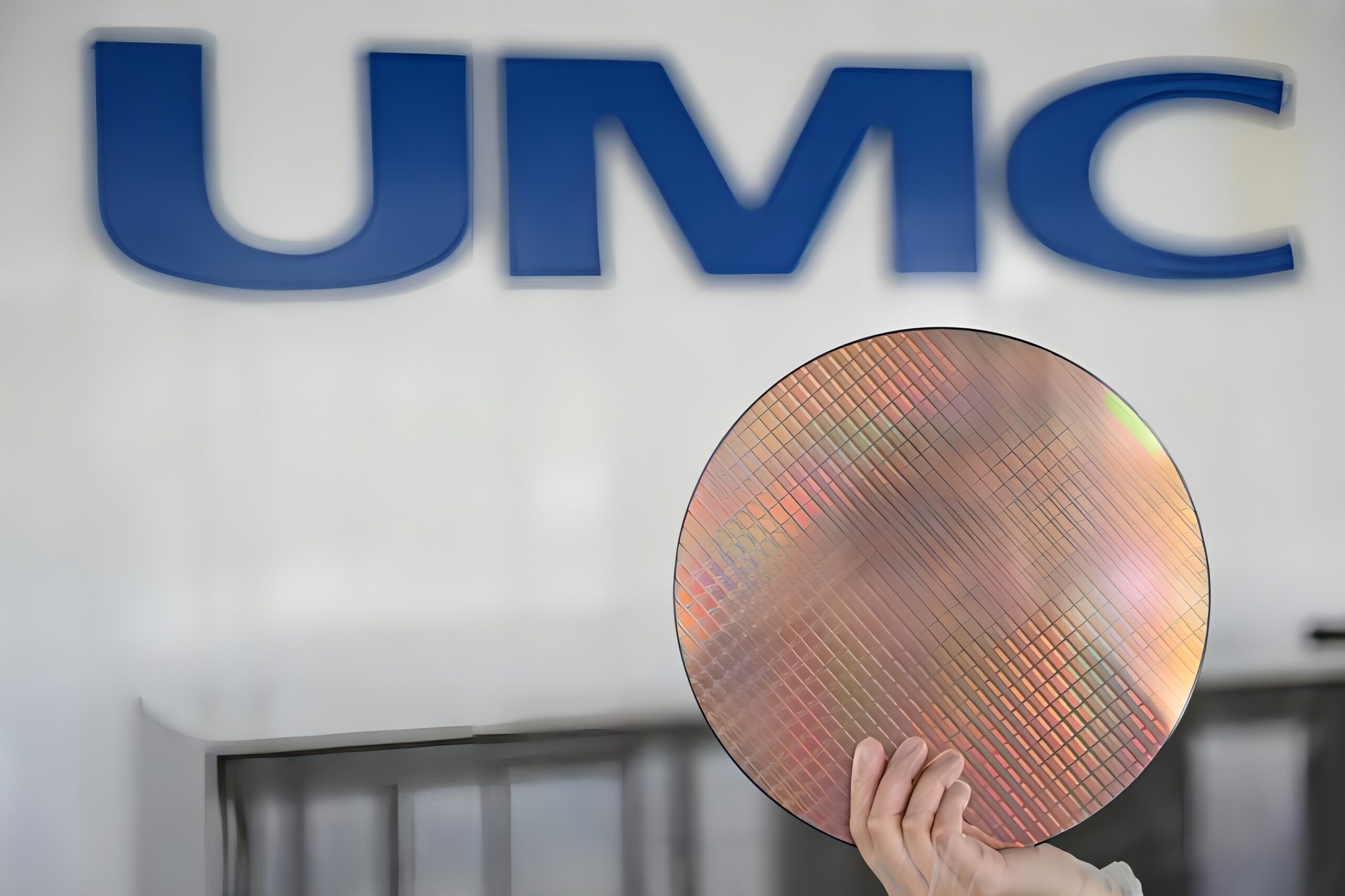
A process design kit is important because it gives chip designers the rules they need to build products for a specific manufacturing node. Once a customer completes the design, it goes back to the foundry for tape out and eventual production.
If Intel and UMC can deliver 12nm design kits on schedule, it would give the partnership an early test before any larger 3nm effort.
The reported 3nm plan is the bigger story
The 3nm collaboration is the more significant part of the report. UMC has not been known as a leading edge chipmaker in the same way as TSMC, Samsung, or Intel’s foundry ambitions. Entering 3nm through Intel would represent a major strategic shift.
The report claims the Intel and UMC 3nm effort would aim to create a node comparable to TSMC’s offering. That is a bold target, because TSMC remains the dominant force in advanced contract manufacturing.
Intel has been trying to rebuild its manufacturing reputation through newer process technologies and a foundry model that serves outside customers. A UMC partnership could support that plan by bringing another established foundry name into Intel’s ecosystem.
Intel wants a stronger foundry business
Intel has spent years trying to recover its position in advanced manufacturing. The company wants Intel Foundry to become a serious alternative for companies that currently rely heavily on TSMC.
That is not easy. Foundry customers care about process quality, yields, capacity, packaging, design tools, timelines, and long term trust. Intel needs to prove that it can deliver consistently.
A partnership with UMC could help in several ways. It could bring more customers into Intel’s manufacturing network, support broader process development, and make Intel’s Arizona fabs more important to the global supply chain.
UMC could avoid the heaviest capital burden
For UMC, the benefit is also clear. Building advanced fabs from scratch is expensive and risky. By partnering with Intel, UMC may be able to participate in newer nodes without taking on the full cost of equipment and factory expansion.
That matters because mature node manufacturing is still profitable, but growth in AI, high performance computing, and advanced consumer electronics is increasingly centered on newer process technologies.
UMC does not need to become another TSMC overnight. But gaining a route into 12nm and 3nm production could help it stay relevant as customer needs change.
The report still needs confirmation
The details should still be treated as a report rather than confirmed final business strategy. Intel and UMC have not publicly laid out the full scope of such a 12nm and 3nm collaboration in the provided material.
The timeline also leaves room for change. Semiconductor partnerships can shift based on customer demand, yield progress, tool availability, political pressure, and market conditions.
Still, the reported plan fits the current direction of the industry. Companies want more foundry options, more geographic diversity, and more capacity outside the traditional concentration in Taiwan.
A direct challenge to TSMC would take years
Even if Intel and UMC move ahead with a 3nm collaboration, challenging TSMC will not happen quickly. TSMC has deep customer relationships, strong process technology, massive production experience, and a proven record at advanced nodes.
Intel and UMC would need to prove they can offer competitive performance, cost, reliability, and volume. That takes time.
But the reported partnership shows how the foundry market is changing. Intel wants to win outside customers, UMC wants access to more advanced technology, and chip buyers want more supply options.
If the 12nm rollout succeeds and the 3nm plan advances, the Intel and UMC partnership could become an important part of the next phase of global chip manufacturing.



Discussion (0)
Be the first to comment.