



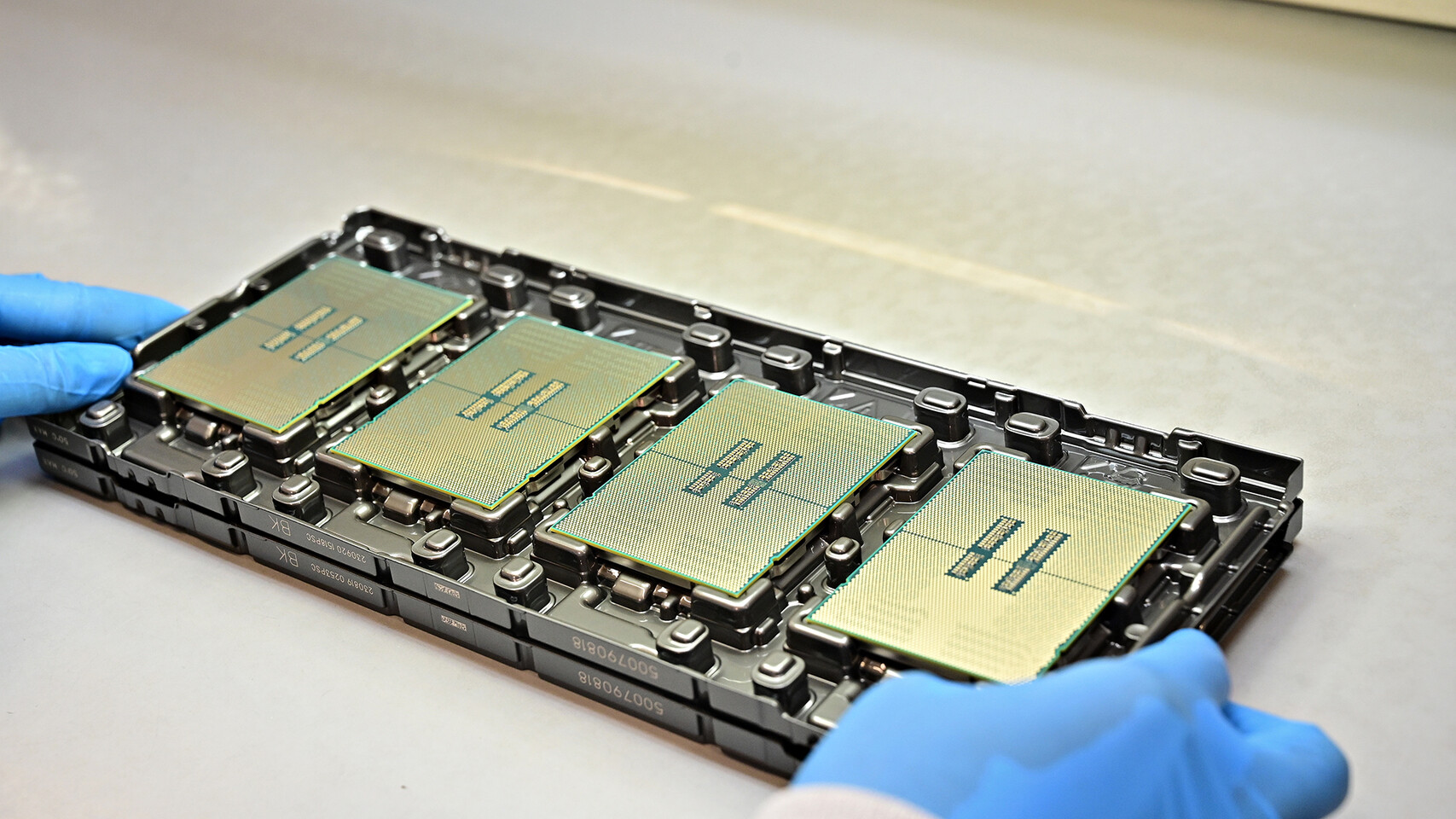
CPU makers are trying to increase production as demand grows across AI servers, notebooks, desktops, and Chromebooks. But the extra output may not be enough to quickly fix the shortage, and prices could continue rising in the near term.
The pressure is coming mainly from AI. Earlier in the AI boom, most attention went to GPUs, but CPUs are becoming more important again as companies build larger AI systems and run more inference workloads.
A DigiTimes report says Intel is prioritizing Xeon server processors, while the shortage is creating opportunities for AMD and MediaTek.
AI server demand is pushing Intel toward Xeon chips while AMD and MediaTek find new room in PCs and Chromebooks
Intel is seeing strong demand for Xeon CPUs, especially as data centers expand AI infrastructure. Reuters reported that Intel’s AI-related CPU demand helped lift its outlook, with the company benefiting from renewed interest in CPUs for AI services.
That shift has consequences for other parts of the market. If Intel gives more factory capacity to higher-priced server chips, supply for notebooks and desktop processors can become tighter. According to the reference report, this has opened more space for AMD across PCs and servers, while MediaTek may see stronger Chromebook processor shipments.
The situation also shows how AI is changing the balance of hardware inside data centers. Wccftech says the GPU-to-CPU ratio in some AI systems has moved from around 8:1 to 4:1 and could move closer to 1:1 over time. Tom’s Hardware also reported that AI inference demand is increasing pressure on CPUs and has helped drive server CPU price hikes.
| Company | What is happening | Why it matters |
|---|---|---|
| Intel | Prioritizing high-demand Xeon server CPUs | Could improve server revenue but tighten PC CPU supply |
| AMD | Gaining more room as Intel supply stays tight | May grow share in servers, desktops, and notebooks |
| MediaTek | Expected to benefit in Chromebooks | OEMs may look for alternatives when x86 supply is limited |
| Nvidia | Preparing its Vera CPU | Could reduce reliance on outside CPUs for AI systems |
Prices are already moving upward. The reference article says Intel CPUs saw a 10% increase last year and another 10% increase last month, with more hikes expected in coming quarters. Tom’s Hardware reported that server CPU prices have risen by 10% to 20% since March 2026, while consumer CPUs have also increased by 5% to 10%.
Lead times are another concern. The reference report says some mainstream platforms, including Chromebooks, are seeing lead times stretch toward one year. Earlier reports also showed that PC makers were already facing CPU lead times far longer than usual because AI customers were absorbing more supply.
For consumers, this could mean laptops and desktops may not get cheaper soon, even if chipmakers increase output. OEMs may also adjust product plans, switch suppliers where possible, or lean more on alternative chips for lower-cost devices.
For the chipmakers, the shortage is both a problem and an opportunity. Intel can sell more Xeon processors into AI data centers, AMD can take advantage where Intel cannot meet demand, and MediaTek can grow in Chromebook platforms. But for buyers, the message is less positive: more production is coming, but it may take time before prices and availability improve.

Discussion (0)
Be the first to comment.