




Building a simple flying machine in Minecraft is one of the easiest ways to travel long distances without using Elytra or command blocks. This build works on both Java and Bedrock editions and uses basic Redstone components you can find early in the game. The design relies on pistons, observers, and slime or honey blocks to push the machine forward automatically, giving you a reliable way to move through the world.
Gather The Required Materials
You only need a few components to build a basic Minecraft flying machine. These items are available in most survival worlds, so you can start building as soon as you unlock basic Redstone crafting.
- Two observers
- Two sticky pistons

- Four slime blocks or four honey blocks
- Temporary blocks for positioning
Build The Flying Machine Frame
The frame connects all the core parts that make the flying machine move. Place these blocks in the correct order so the pistons activate at the right time.
- Place a temporary block to anchor your build in the air.
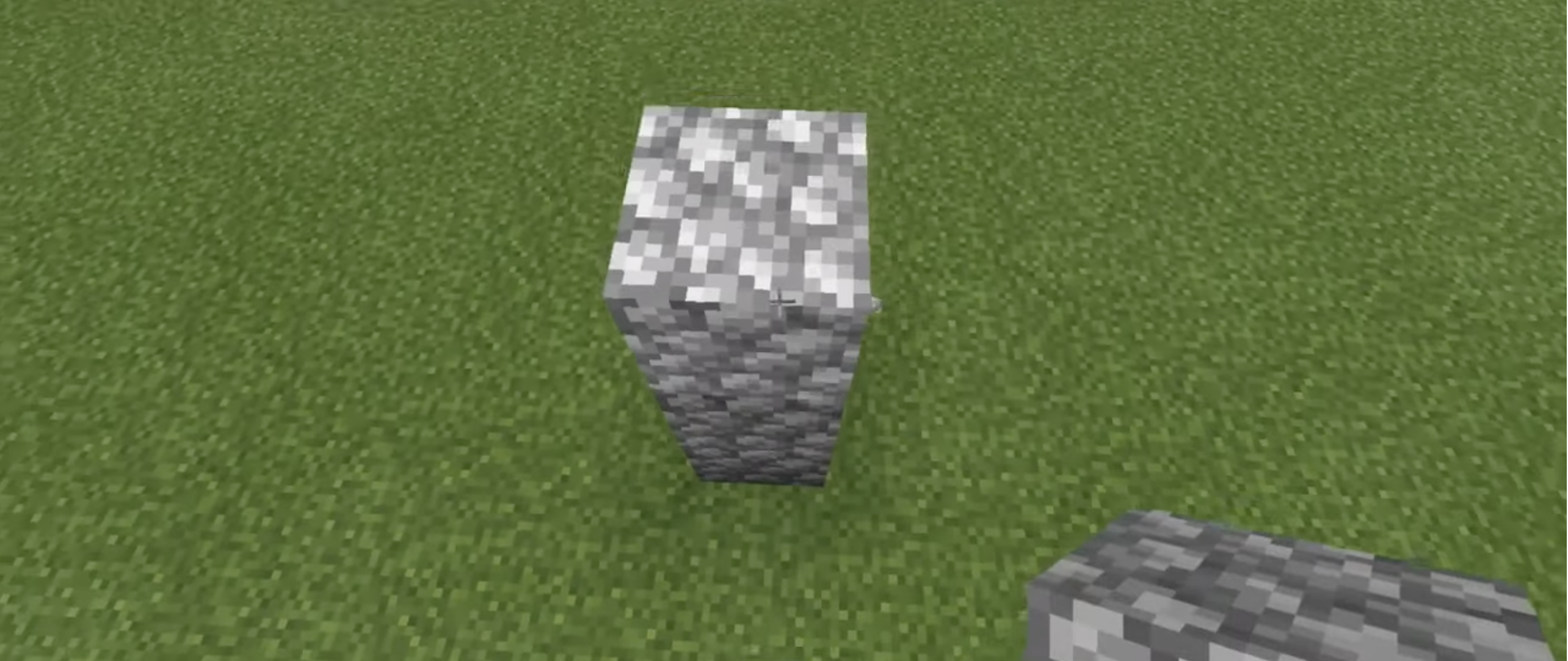
- Place a sticky piston facing sideways on the temporary block.
- Attach two slime blocks to the face of the piston.
- Place an observer behind the piston with its face pointing outward.

- Repeat this setup on the opposite side to form the second engine.
Link The Engines Together
Each engine needs to push the other, so the machine keeps moving without stopping. Use slime or honey blocks to connect both engines into a single structure.
- Place two slime blocks between the pistons to form a bridge.
- Make sure no block you attach is immovable, such as furnaces or obsidian.
- Confirm that both observers point into the pistons to trigger push cycles.
Activate The Flying Machine
Once the machine is fully assembled, a simple block update will start the engine. Stand clear to avoid being pushed away by moving slime blocks.
- Break the temporary block holding the machine in place.
- Place or break a block in front of either observer to update it.
- Watch as the pistons begin pushing the entire build forward.
Stop Or Reset The Flying Machine
You may want to pause the machine after reaching your destination or while adjusting its direction. Use immovable blocks to force the machine to stop instantly.
- Place an obsidian block in the path of the slime blocks.
- Wait for the pistons to hit the block and stop moving.
- Remove the obsidian to resume travel.
Troubleshooting Common Problems
- If the machine does not move, check that both observers face outward.
- If one side moves and the other does not, confirm the slime blocks are connected.
- If the machine breaks, verify no nearby blocks are immovable.
- If pistons do not fire, update the observer again by placing or breaking a block.
Tips
- Use honey blocks instead of slime blocks if nearby blocks attach unexpectedly.
- Add a riding platform by attaching an extra slime block on top.
- Test your build in a flat, open area to avoid collisions.
- Bring extra slime blocks in case you lose pieces during testing.
FAQ
Does this design work in both Minecraft editions?
Yes, this simple Redstone flying machine works in both Java and Bedrock.
Can I make the flying machine move upward?
Vertical machines require more complex piston timing, but horizontal designs are easiest.
Will mobs or players fall off the machine?
Yes, unless you build a small platform for standing or add rails.
Why does my machine break when near certain blocks?
Slime blocks stick to most blocks, causing unintended pulling. Switch to honey blocks if needed.
Summary
- You only need pistons, observers, and slime or honey blocks.
- Build two simple engines and connect them with slime blocks.
- Trigger an observer update to start movement.
- Stop the machine with an immovable block like obsidian.
Conclusion
A simple flying machine in Minecraft offers a creative way to travel and experiment with Redstone mechanics. With only a few components and the correct placement of observers and pistons, you can build a reliable transportation device in any survival world. Once you master the basic engines, you can expand your build into larger systems, automated farms, or long-distance travel platforms.


Discussion (0)
Be the first to comment.