




A WebAssembly build of a Halo: Combat Evolved decompilation now runs in a web browser, with the campaign and online rooms of up to 128 players. The part that matters most is what it leaves out, because the project distributes no Halo game data at all.
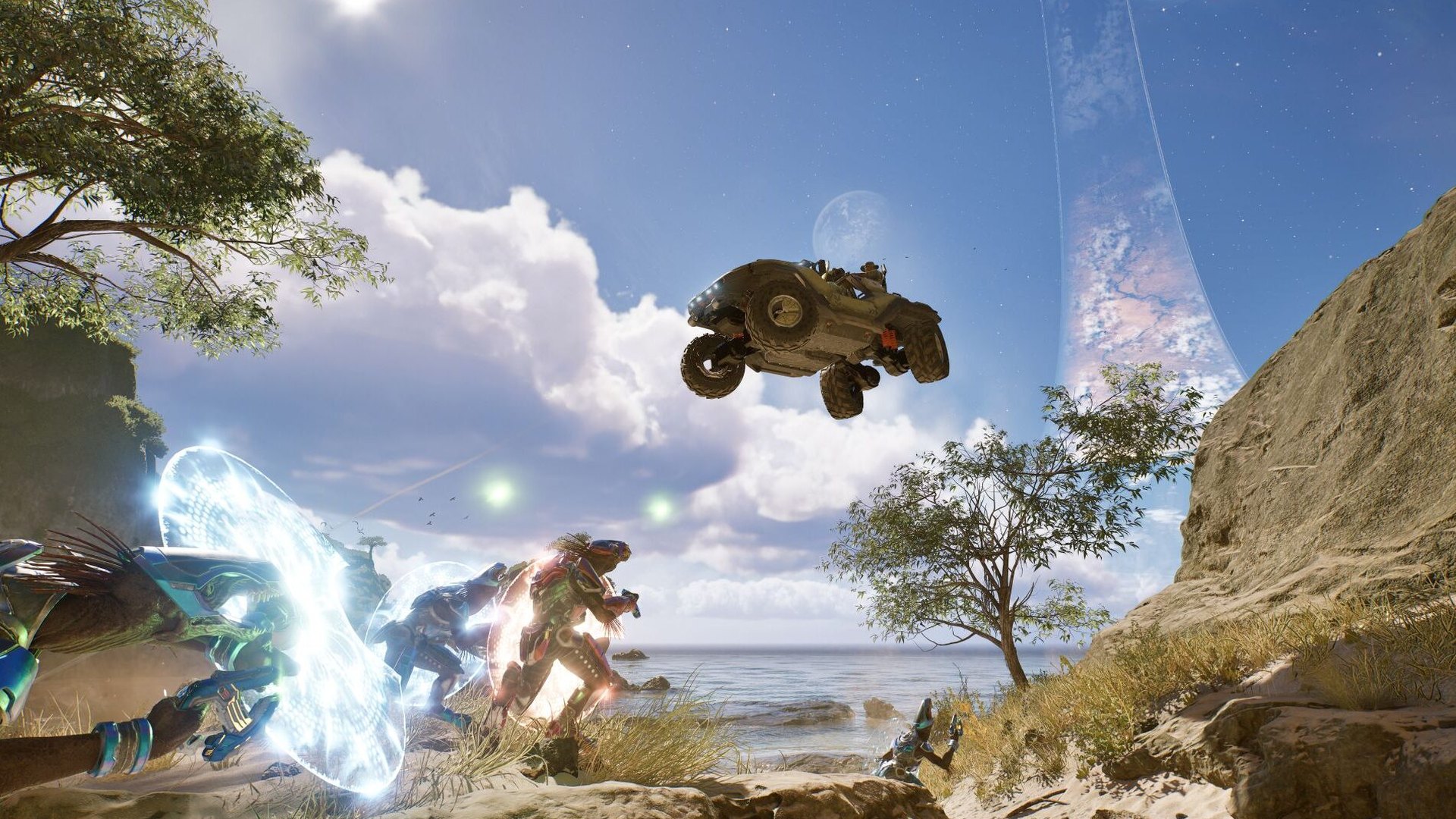
The web version is hosted and maintained by developer Mitchell Hynes, who publishes it on his own site. Before anything loads, a dialog asks for a disc image and explains why.
"To comply with copyright law and respect the original Halo CE decompilation team, this website does not provide Halo game data," the dialog reads. It asks instead for an XISO made from the player's own Xbox copy of the game.
What the browser build contains
The page loads in stages, reporting "Preparing runtime", then "Downloading WebAssembly", then "Loading campaign". A diagnostics panel reports performance and memory while the game runs.
Multiplayer covers the 13 stock maps, from Battle Creek and Blood Gulch through to Chiron TL-34 and Longest. Six modes are offered: Slayer, Team Slayer, Capture the Flag, Oddball, King of the Hill and Race.
Rooms show a capacity of 128 players, and the site describes a private invite room that connects peer-to-peer when possible. Custom rules cover score to win, respawn time, lives, health, shields, radar, infinite grenades and invisible players.
Keyboard and mouse play maps onto the original Xbox pad, with the left mouse button standing in for the right trigger. Aim magnetism can be switched off, and it is already off by default for keyboard and mouse.
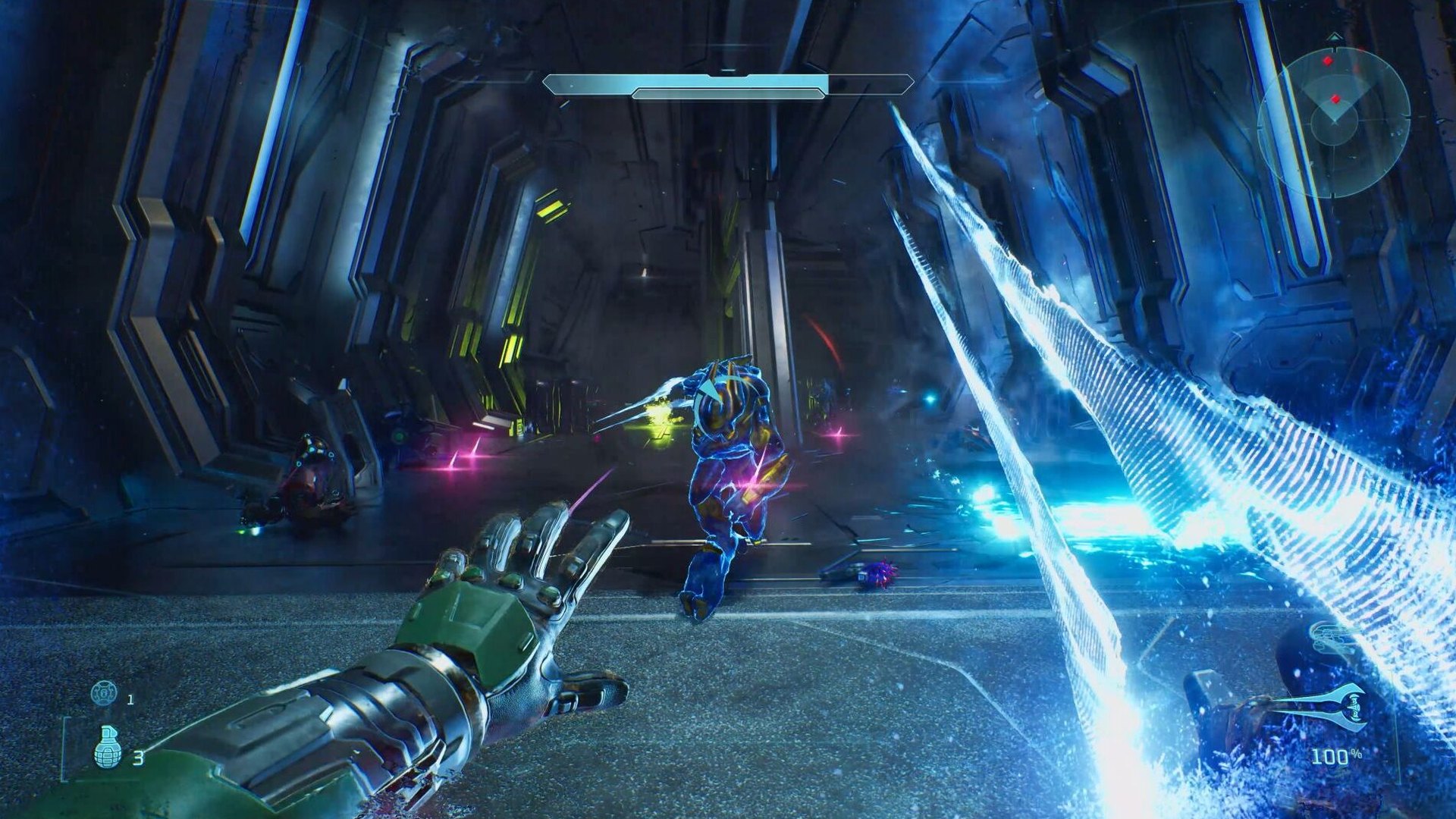
Where the code comes from
The underlying work is a decompilation of the original Xbox build 2342, identified in the repository by the SHA-256 hash of its executable. The port's README traces its lineage back through two earlier decompilation projects.
That native port targets Linux, Windows and Android, and its README describes system link games of up to 128 players on up to 128 machines. The netcode is new, with each machine moving its own player at once while the host makes the decisions.
The web page is explicit that those upstream projects are not affiliated with or responsible for the website. It lands while the series itself is in transition, after reports on Halo Studios' cancelled plans ahead of major layoffs and on Activision taking charge of the next mainline Halo.
Why shipping no assets matters
The legal line here has little to do with engineering quality. A port that redistributes the original game's executable code, art, audio or maps infringes copyright however well it is built.
A decompilation-derived engine that ships none of those files, and requires the user to supply a copy, sits on different and better defended ground. On the evidence of the project's own site and repository, this is the second kind.
Both the site and the upstream README say the same thing: the port does not include the game data, and the user points it at a disc image. Disc ownership is a live question elsewhere too, as Xbox's disc to digital licensing terms show.
The takedown claim, corrected
A claim has circulated that the browser version was taken down. The primary record does not support it.
The project page was live and serving the game on checks run on October 3 and October 4, 2026, and the production domain resolves and returns a page with no notice on it. The repositories behind the port are all reachable, and none is disabled.
GitHub's public DMCA record holds no notice for this project, or for Microsoft, Xbox, Bungie or Halo, in September or October 2026. What did happen is that the site briefly became unreachable under launch traffic, after an automated security system classified it as suspected phishing. That is a classification made at the hosting layer, not an action by a rightsholder.
Production hosting runs through a Cloudflare Worker, added in a pull request opened on October 2, 2026. It serves the build's static files, pulls map files from an R2 storage bucket, and sets the headers the runtime needs.
Plenty is still not published. Microsoft, Xbox and Halo Studios have said nothing about the project, no takedown notice or complaint appears in any public record checked, and the author has published no statement of his own.
The repository's licence terms were not examined here, and the site lists no browser or hardware requirements, nor whether progress is kept between sessions. Figures circulating for sessions played and average frame rate could not be confirmed from the project, so they are left out. Ports like this keep narrowing the gap with original hardware, as earlier coverage of a PS5 emulator running six tested games at a playable 60 fps showed.

Discussion (0)
Be the first to comment.