



Graphics card prices remain difficult for PC builders in 2026, with high memory demand from AI data centers continuing to affect availability and pricing across Nvidia, AMD, and Intel GPUs. A new price tracking roundup shows that many popular gaming cards are still selling above launch pricing, especially at the high end, while budget and midrange models remain the most realistic options for buyers trying to avoid inflated prices.
The pressure is most obvious on Nvidia’s newest GeForce RTX 50 series. The RTX 5090 launched at $1,999, but the lowest listed U.S. price in the tracker is now $3,899. That puts the flagship far outside reasonable territory for most gaming PC builds, even before considering the cost of a high end CPU, power supply, motherboard, and cooling.
The RTX 5080 is also above its $999 launch price, with the lowest listed price at $1,269. The RTX 5070 Ti is listed at $979, compared with a $749 launch price. Even the RTX 5070, which launched at $549, is sitting at $609 in the tracker.
The lower end of the RTX 50 lineup looks more manageable. The RTX 5060 Ti 8GB is listed at $369, slightly under its $379 launch price, while the RTX 5060 is at $339, above its $299 MSRP. The RTX 5050 is listed at $289, also above its $249 launch price.
High end Nvidia cards are the worst hit by pricing pressure
Nvidia’s RTX 50 series uses Blackwell architecture and brings newer features such as DLSS 4.5, Multi Frame Generation, Reflex 2, 5th Gen Tensor Cores, and 4th Gen Ray Tracing Cores. These features can help lower tier cards stretch performance, especially in supported games, but they do not fix the pricing problem.
| GPU | Current lowest listed price | Launch price |
|---|---|---|
| GeForce RTX 5090 | $3,899 | $1,999 |
| GeForce RTX 5080 | $1,269 | $999 |
| GeForce RTX 5070 Ti | $979 | $749 |
| GeForce RTX 5070 | $609 | $549 |
| GeForce RTX 5060 Ti 16GB | $569 | $429 |
| GeForce RTX 5060 Ti 8GB | $369 | $379 |
| GeForce RTX 5060 | $339 | $299 |
| GeForce RTX 5050 | $289 | $249 |
The older RTX 40 series is not much better. Since those cards are no longer being produced, stock has dried up and many listings now come from third party sellers. The RTX 4090 is listed at $3,399, more than double its original $1,599 launch price. The RTX 4080 Super is listed at $1,459, compared with a $999 launch price.
That makes many RTX 40 cards hard to recommend unless a buyer finds a safe second hand deal at a much lower price. Even then, there are risks around used mining hardware, warranty status, and seller reliability.
AMD’s Radeon RX 9000 series looks more reasonable, but prices are still rising
AMD’s current Radeon RX 9000 series appears more competitive in the price tracker, although several models are still above launch pricing. The Radeon RX 9070 XT is listed at $669, above its $599 launch price. The RX 9070 sits at $599, compared with a $549 MSRP.
The RX 9060 XT 16GB is listed at $439, above its $349 launch price, while the RX 9060 XT 8GB is listed at $349, above its $299 launch price. The 16GB model is the more attractive long term option because newer games are becoming more demanding with texture and shader memory.
AMD’s RDNA 4 cards have improved ray tracing and AI performance compared with the previous generation, but Nvidia still leads in advanced ray tracing and path tracing performance. For buyers focused on traditional rasterized gaming, however, Radeon cards may offer stronger value in some price bands.
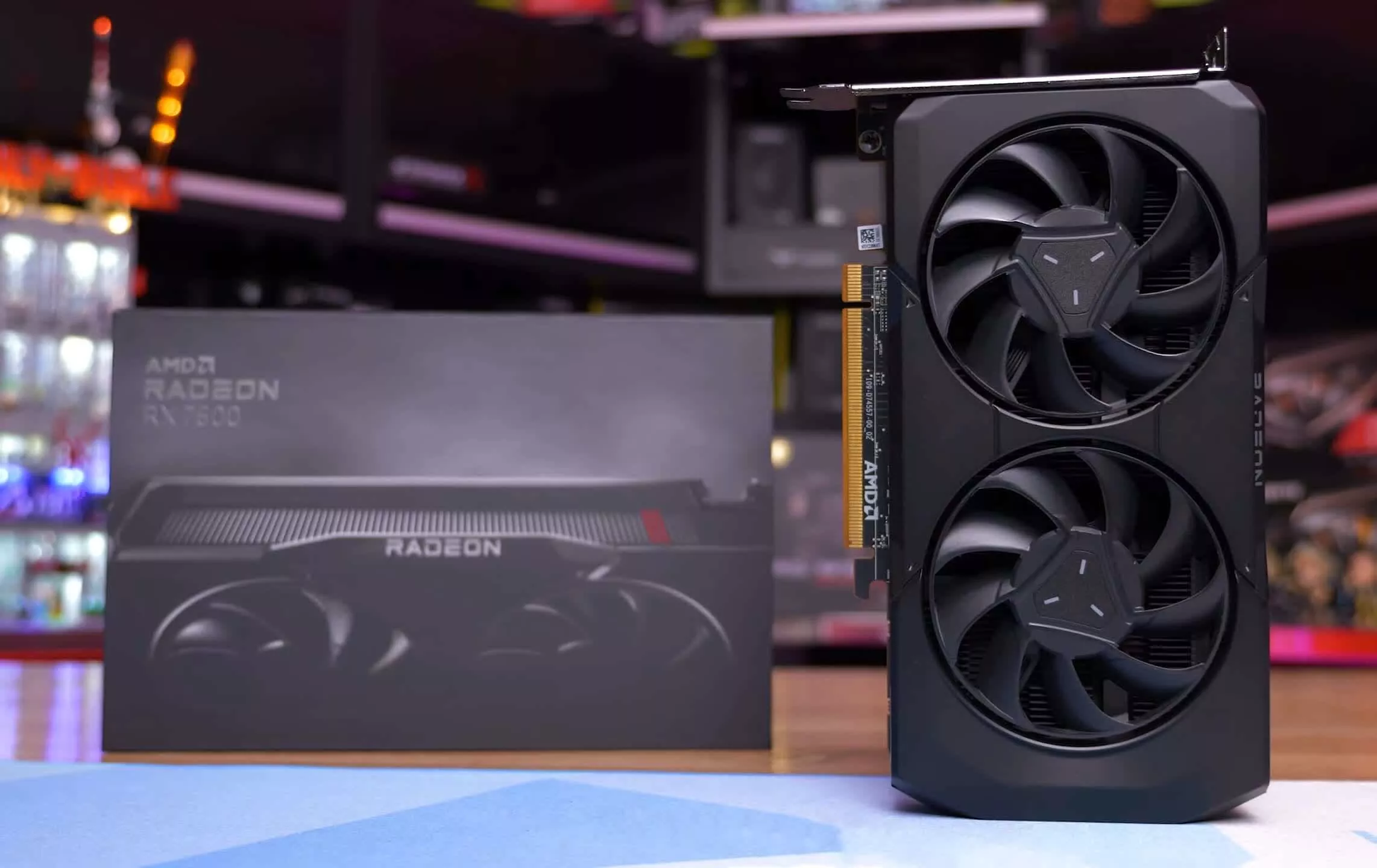
The older Radeon RX 7000 series is also mixed. The RX 7900 XTX is listed at $1,099, which is above its $999 launch price and far above its previous low of $749. The RX 7800 XT is listed at $549, above its $499 launch price, while the RX 7600 is listed at $259, below its $269 launch price.
Intel Arc remains the budget option worth watching
Intel’s Arc GPUs continue to occupy the lower price range. The Arc B580 is listed at $299, compared with a $250 launch price, while the Arc B570 is listed at $259, compared with $219. Older Arc cards such as the A380 remain cheaper, with the A380 listed at $139.
Intel’s cards still have weaknesses, especially in older games and some DirectX titles, but driver updates have improved the platform over time. For budget 1080p builds, Arc remains worth considering if the price is right and the games you play are known to run well on Intel hardware.
The broader GPU market remains difficult because AI demand has changed memory supply dynamics. Cards with more VRAM are especially affected because the same memory supply pressures also hit AI accelerators and data center products. That puts gamers in a frustrating position: the cards with the most future proof memory are often the ones seeing the worst pricing.
For now, the best advice is to compare every deal against current generation alternatives rather than old launch prices alone. Some older cards now cost more than newer models that perform similarly or better. Buyers should also check sellers carefully, especially on RTX 40 series cards and older Radeon models, where third party listings and used hardware are common.
The market is not completely hopeless, but it demands more caution than usual. Budget and midrange GPUs still offer some reasonable options, while high end cards remain heavily inflated. For most gamers, waiting for a true discount or choosing a better priced Radeon or Intel alternative may make more sense than chasing overpriced flagship hardware.



Discussion (0)
Be the first to comment.