



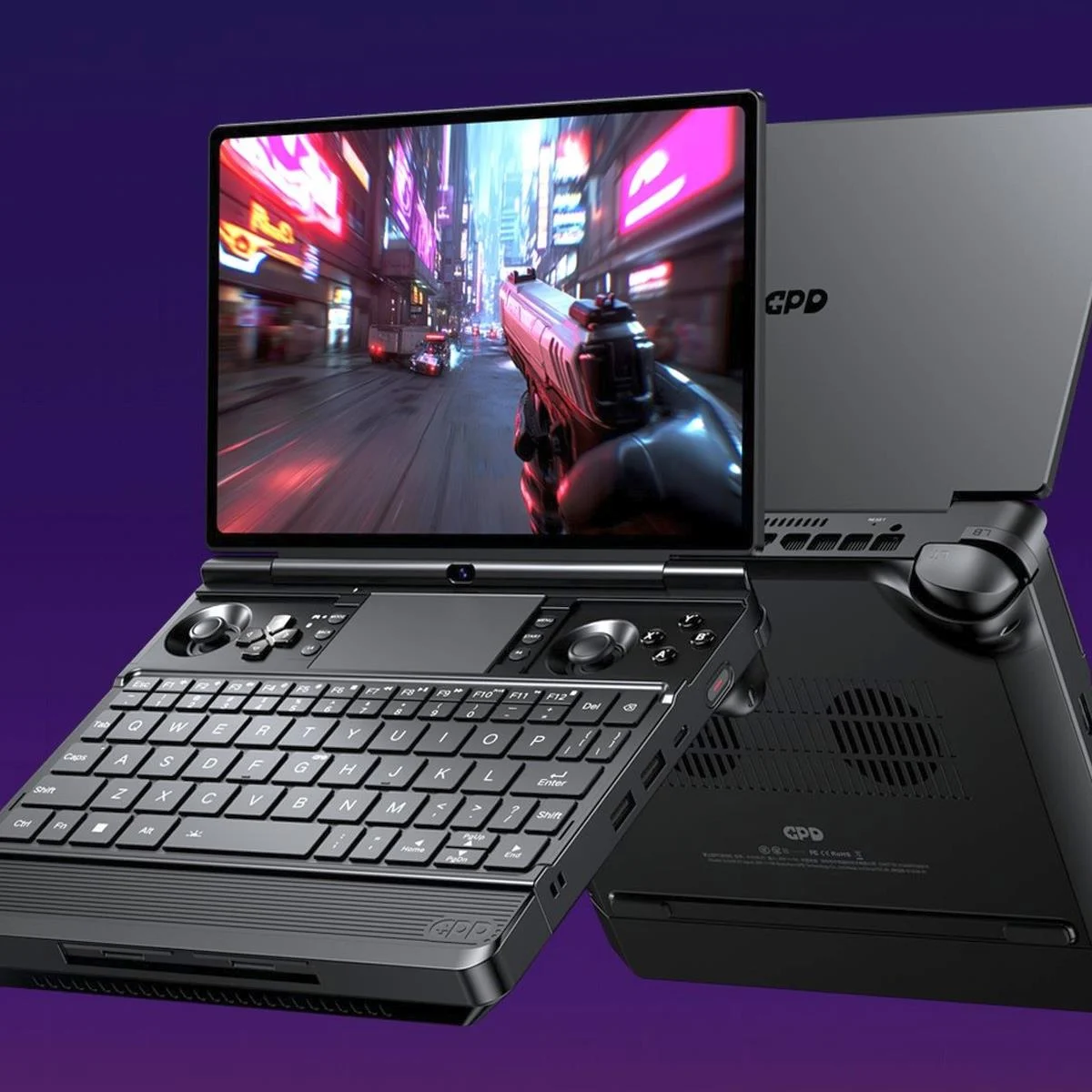
GPD says its upcoming WIN Max 3 cannot be priced below $1,750, with high memory costs playing a major role in the handheld laptop’s unusually expensive starting price.
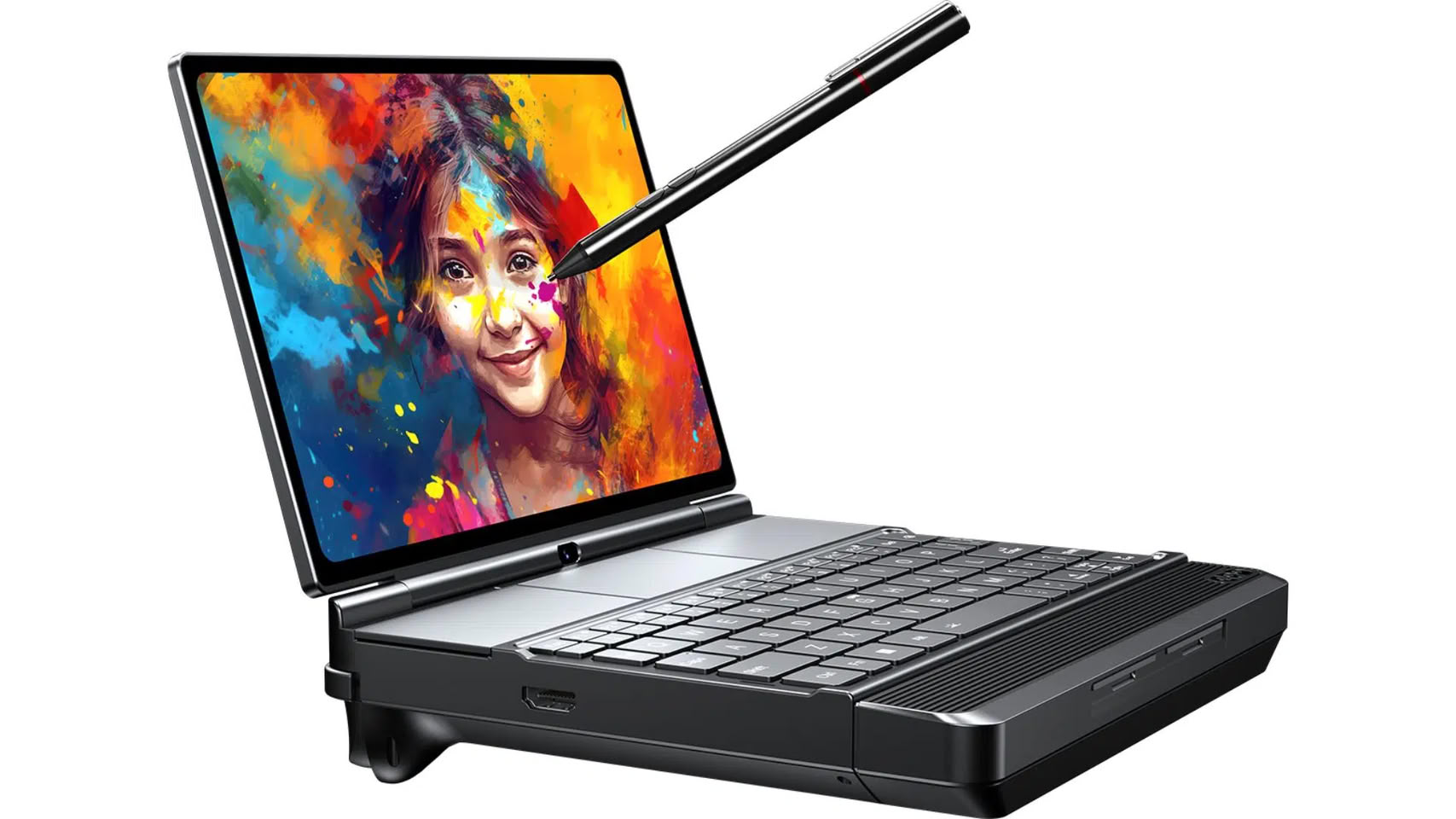
The compact Windows 11 system combines AMD Ryzen AI Max hardware, a 9.06 inch OLED display, built in game controls, removable battery support, and up to 128 GB of LPDDR5X memory.
Preorders are scheduled to open on September 2 through Indiegogo.
Fast LPDDR5X memory is one of the biggest cost pressures
The WIN Max 3 uses AMD’s Ryzen AI Max platform, which features a wide 256 bit memory interface.
To make proper use of that design, GPD starts the system with 32 GB of LPDDR5X memory rather than offering a cheaper low capacity configuration.
That matters because LPDDR5X is currently one of the more expensive memory types in the consumer market, with demand also coming from AI and high performance computing products.
| GPD WIN Max 3 specification | Details |
|---|---|
| Starting price | $1,750 |
| Processor options | Ryzen AI Max+ 388 or 395 |
| Integrated graphics | 40 Radeon compute units |
| Memory | 32 GB to 128 GB LPDDR5X |
| Display | 9.06 inch AMOLED |
| Refresh rate | 165Hz |
| Peak brightness | Up to 1,050 nits |
| Battery | 97 Wh removable |
| Maximum SoC power | Up to 110W with optional fan module |
| Storage | Two NVMe SSD slots |
| Preorders | September 2 |
The base price is therefore tied not only to the processor but also to the minimum memory configuration required by the platform.
Ryzen AI Max gives the handheld much stronger graphics
GPD will offer Ryzen AI Max+ 388 and Ryzen AI Max+ 395 configurations.
Both retain the full 40 compute unit integrated Radeon graphics configuration, making the WIN Max 3 considerably more powerful than typical handheld PCs based on smaller mobile APUs.
GPD claims the new system is around three times faster than the previous WIN Max 2 generation.
That older machine used the Ryzen AI 9 HX 370, which remains capable but is built around a much smaller integrated GPU.
The tradeoff is higher power consumption and greater cooling requirements.
110W mode requires an additional cooling module
The WIN Max 3 can reportedly push its processor to a maximum power limit of 110W.
That is unusually high for a device with a roughly 9 inch display.
GPD requires a dedicated fan module to operate at that power level.
Customers who preorder through the crowdfunding campaign are expected to receive the module at no additional charge.
The machine can also use 180W DC power and supports up to 100W through USB.
OLED display is another premium feature
The display is one of the more ambitious parts of the design.
GPD uses a 9.06 inch AMOLED panel with HDR10 support and a refresh rate of 165Hz.
The company claims brightness can reach 1,050 nits and says the panel covers the full DCI P3 color space.
It also uses a full RGB subpixel arrangement rather than a Pentile layout.
One specification that has not been clearly confirmed is variable refresh rate support.
Storage and connectivity are unusually extensive
Despite the compact design, the WIN Max 3 includes two NVMe SSD slots.
It also provides a MicroSD slot with SD Express support.
External connections include USB4, a 10Gbps USB C port, two USB A connections, and a full size HDMI 2.1 output.
The built in gaming controls use Hall effect technology.
The 97 Wh battery can also be removed and replaced, which is uncommon among modern ultra compact PCs.
One feature missing from the previous generation is OCuLink support.
With the much stronger integrated Radeon graphics in Ryzen AI Max, GPD appears to be placing less emphasis on external GPU use this time.
Higher memory configurations become much more expensive
The $1,750 figure applies to the entry configuration.
Moving to 64 GB of memory and a 2 TB SSD adds around $500.
At the top of the range, a Ryzen AI Max+ 395 configuration with 128 GB of memory reaches $3,499.
Those prices put the WIN Max 3 well beyond mainstream handheld gaming PCs.
However, the system is also designed as a small laptop rather than only a gaming handheld, with its keyboard, large memory capacity, multiple SSD slots, OLED display, removable battery, and desktop class connectivity giving it a broader role.
The main question is whether buyers value that unusual combination enough to accept the price.
At $1,750 to start, the WIN Max 3 is clearly a niche product, but its hardware also explains why GPD says cutting the price further is difficult.



Discussion (0)
Be the first to comment.