



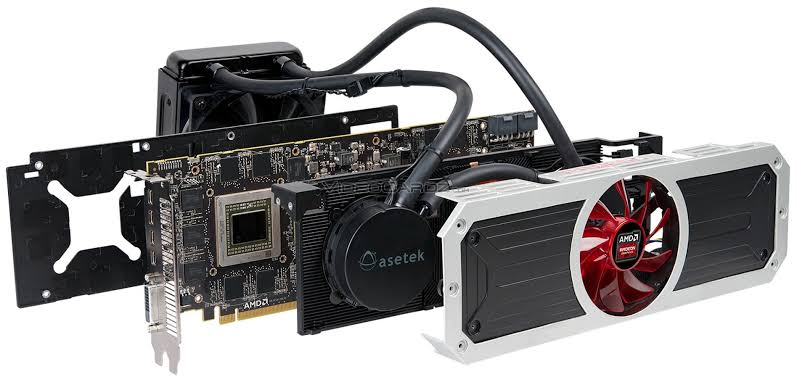
A GIGABYTE GeForce RTX 4090 owner says the company has refused to replace a graphics card showing signs of VRAM degradation, even though several diagnostics reportedly indicate uncorrectable memory errors.
The affected WINDFORCE V2 model was purchased from an authorized retailer in Romania in November 2023. According to the owner, the card has progressively developed memory problems that have reduced its usable VRAM by around 1.5GB from the original 24GB capacity.
GIGABYTE has reportedly received the graphics card three times but continues to return the same unit after concluding that it boots and passes its own stress tests.
RTX 4090 reportedly shows serious memory errors
| Area | Reported detail |
|---|---|
| GPU | GIGABYTE RTX 4090 WINDFORCE V2 |
| Purchase date | November 2023 |
| Original VRAM | 24GB |
| Missing VRAM | Around 1.5GB |
| Remapped rows | 33 |
| OCCT VRAM errors | Around 4.7 million in 15 seconds |
| RMA attempts | Three |
| Warranty expiry | November 2026 |
| GIGABYTE response | No replacement |
| Current action | Consumer protection complaint filed |
The owner says NVIDIA related diagnostics show 33 rows remapped because of uncorrectable memory errors.
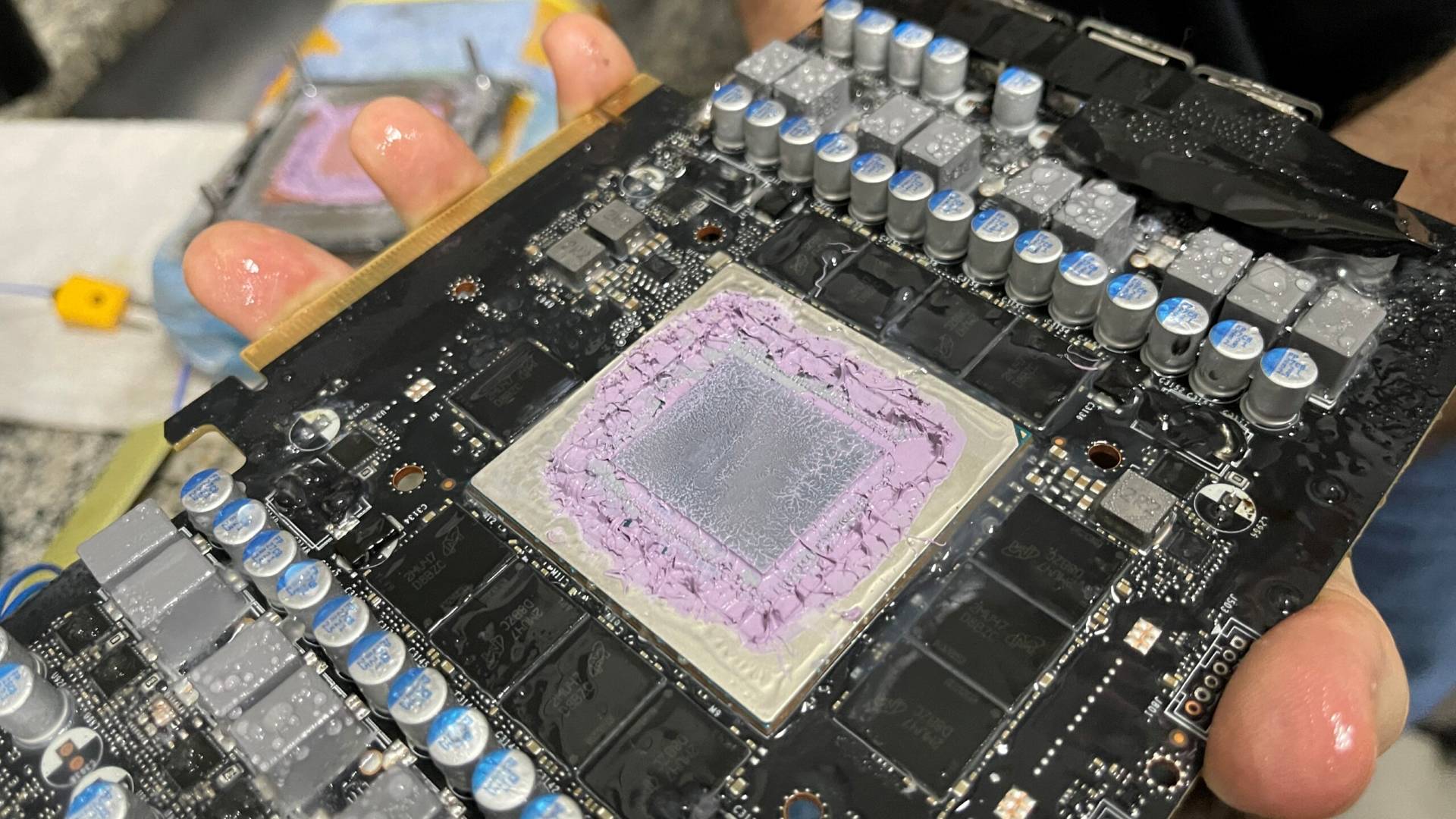
Row remapping is designed to work around failing memory locations, but a growing number of remapped rows can indicate degrading memory hardware.
Windows Event Viewer also reportedly logged uncorrectable GDDR memory errors across three separate partitions.
A dedicated OCCT VRAM test produced around 4.7 million errors in only 15 seconds, according to the owner.
GIGABYTE reportedly says the card still works normally
The dispute appears to center on the difference between general GPU stress testing and dedicated memory diagnostics.
The owner says GIGABYTE has been using tests such as FurMark during the RMA process. Those tests primarily stress GPU rendering and power behavior and may not necessarily reproduce specific VRAM faults.
Because the RTX 4090 still boots and can run workloads, GIGABYTE reportedly concluded that the graphics card is functioning normally.
The company has also repasted the GPU before returning it, according to the account, but has not replaced the graphics card or its memory.
That has not resolved the reported VRAM errors.
Missing VRAM could indicate ongoing degradation
The reduction in available memory is one of the more significant parts of the case.
The RTX 4090 normally includes 24GB of GDDR6X memory. The owner says the system now exposes around 1.5GB less capacity because damaged memory locations have been taken out of service.
If the underlying memory degradation continues, additional errors or further capacity loss could potentially appear over time.
However, the supplied report is based on the owner’s account, and there is no independent technical inspection included that confirms the exact physical cause of the problem.
Warranty deadline is approaching
The timing also matters because the reported warranty expires in November 2026.
That leaves the owner with a limited window to resolve the dispute while the graphics card is still covered.
With current high end GPU prices remaining elevated, replacing an RTX 4090 independently would also be expensive.
The owner says a consumer protection complaint has now been filed and is asking GIGABYTE to consider the row remapper data and memory specific diagnostics during the warranty process.
The case remains an individual customer report
This situation should be treated as a reported RMA dispute rather than a confirmed company wide policy.
GIGABYTE may have internal testing criteria that differ from the owner’s diagnostics, and the supplied account does not include the company’s complete technical assessment.
Still, the case highlights why dedicated VRAM testing can matter when a graphics card appears to function normally during general stress tests.
A GPU can boot, render games and complete conventional benchmarks while still showing memory specific errors under targeted diagnostics.
For this RTX 4090 owner, that difference is now at the center of an unresolved warranty claim involving missing VRAM, millions of reported memory errors and three unsuccessful RMA attempts.

Discussion (0)
Be the first to comment.