



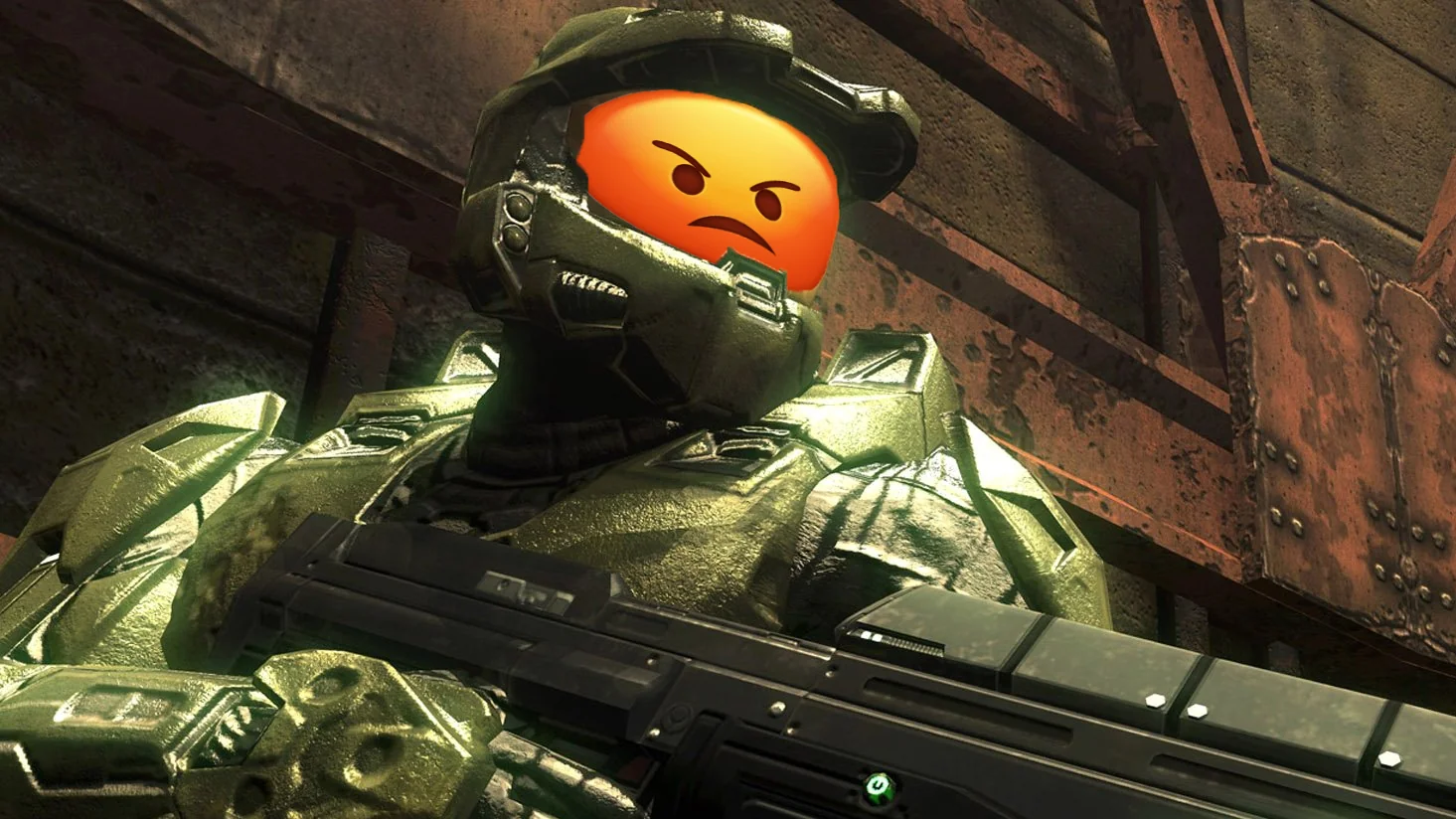
Gaming discussions online increasingly feel dominated by anger, mockery, and campaigns against upcoming releases, even before many of those games are available to play.
Recent examples include Wolverine, GTA 6, and Halo Campaign Evolved, all of which have faced heavy criticism, memes, and negative reactions across social platforms. Some of that criticism is based on specific concerns, but the wider pattern raises a bigger question: are games actually being judged more harshly than before, or are algorithms simply making negativity more visible?
There is no single answer. Genuine criticism, frustration with publishers, political arguments, engagement farming, and social media recommendation systems are all contributing to the tone of modern gaming conversations.
Social media rewards negative reactions
One major factor is how algorithmic feeds work.
Platforms tend to show people more of the content they interact with. If someone clicks on, replies to, or shares negative gaming posts, the system can continue serving similar material.
That can create the impression that almost everyone dislikes a particular game, even when the wider audience may be far more divided.
Financial incentives can make the problem worse. Platforms that reward popular posts can encourage creators to publish stronger, more provocative opinions because anger often generates more replies and shares than neutral discussion.
| Factor | Effect on gaming discussion |
|---|---|
| Recommendation algorithms | Repeatedly surface content similar to what people engage with |
| Engagement rewards | Encourage stronger or more controversial posts |
| Negative headlines | Often attract more clicks and responses |
| Publisher decisions | Can create anger that spreads to individual games |
| Political arguments | Can turn game criticism into broader culture disputes |
| Genuine criticism | Can become harder to separate from engagement farming |
This does not mean every negative opinion is dishonest. There should always be room to criticize poor design choices, pricing, technical problems, or questionable business practices.
The difficulty comes when those concerns become mixed with content created mainly to attract attention.
Anger at companies can spill over onto individual games
Some games may also receive criticism for decisions that have little to do with their actual quality.
Wolverine, for example, has faced complaints about cinematic gameplay and concerns that certain sequences appear too restricted. However, some of the wider anger around the game may also be connected to dissatisfaction with PlayStation business decisions, including its move away from physical media.

GTA 6 has faced a similar problem.
Criticism has focused on decisions such as a timed Netflix gameplay presentation and expensive editions that reportedly place some features behind higher prices. Those are legitimate areas for discussion, but the frustration can easily expand into broader campaigns where people appear to want the entire game to fail.
Halo Campaign Evolved has also received criticism over its visual direction and redesigned content. In cases like this, disagreement over art or gameplay can quickly shift from criticism of a specific decision into hostility toward developers or anyone defending the project.
That distinction matters.
Criticizing a mechanic, price, or corporate policy can be useful. Attacking individual developers who had no control over those decisions rarely improves the conversation.
Some criticism reflects real problems in the industry
It would also be too simple to blame everything on algorithms.
Players have genuine reasons to be concerned about the direction of the gaming business.
The industry has experienced widespread layoffs, rising development costs, changing ownership models, increasing reliance on digital distribution, expensive editions, subscription services, and uncertainty around game preservation.
These concerns can make players more suspicious of publishers and less willing to give companies the benefit of the doubt.
In that sense, some of the negativity may be a reaction to broader industry conditions rather than individual games.
People may also be more aware of corporate decisions than they were in previous console generations. Social media provides constant access to pricing controversies, layoffs, executive comments, monetization changes, and canceled projects.
That information can influence how people respond to a game before they even see the finished product.
Legitimate criticism can get buried
One of the biggest problems with constant negativity is that useful criticism can become harder to find.
When every disagreement is treated as a disaster, boycott, political battle, or evidence that a game is doomed, serious feedback loses visibility.
Developers may then receive thousands of hostile comments without being able to identify which concerns are genuinely useful.
The same problem affects players. Someone trying to decide whether a game looks interesting can find it difficult to separate reasonable analysis from posts designed mainly to generate reactions.
That is especially important because the quality of available games does not necessarily match the pessimism seen online.
There are still major releases, ambitious independent projects, experimental games, and new entries in long running franchises arriving regularly. At the same time, the business surrounding those games is creating real reasons for concern.
The result is a strange contradiction.
There may be more worthwhile games to play than ever, while the discussion around them feels increasingly hostile.
Gaming criticism is not the problem. Players should question bad decisions and hold companies accountable. The challenge is keeping that criticism focused on what actually matters instead of letting algorithms, engagement farming, and wider anger turn every release into another online battle.



Discussion (0)
Be the first to comment.