



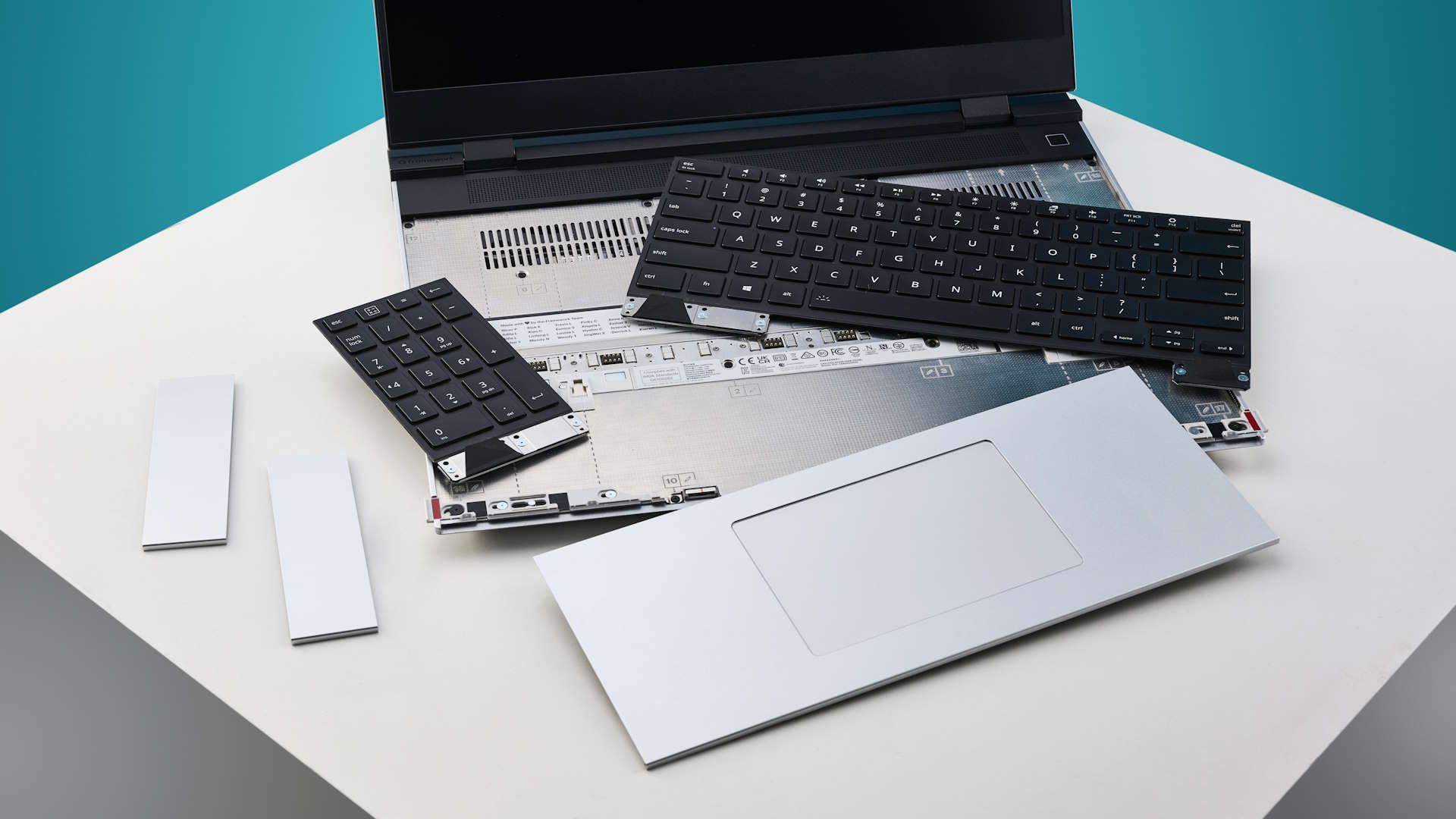
Framework has cancelled its One Key Module project, ending an effort to create custom ultra low profile keyboard and input modules for the Framework Laptop 16.
The company says the design could not reach a price and manufacturing model that made sense for a commercial release. Material costs, assembly expenses and low manufacturing yields all pushed the product beyond a reasonable selling price.
The project had been in development for about three years and later expanded through the One Key Module Developer Program, which opened in December 2025. Framework worked with developers and hardware enthusiasts to explore different keyboard and input designs, but the module ultimately proved too expensive and difficult to assemble reliably.
| Detail | Framework One Key Module |
|---|---|
| Intended use | Custom keyboard and input modules |
| Target laptop | Framework Laptop 16 |
| Development time | About three years |
| Developer program | Opened December 2025 |
| Main problem | High production and assembly costs |
| Secondary issue | Fragile parts and difficult assembly |
| Commercial release | Cancelled |
| Documentation | Open source materials remain available |
Production costs were too high
Framework says the biggest obstacle was economics.
The cost of individual keys, materials and assembly created a break even price that was too high for a product expected to sell in meaningful numbers.
Low manufacturing volumes made the situation worse. Framework and its suppliers could not justify the overhead needed to produce such a complicated module at small scale.
That meant the company faced an awkward choice. It could sell the product at a high price that few people would accept, or absorb costs that would make the project financially unsustainable.
Neither option worked.
The module was also difficult to assemble
Cost was only part of the problem.
Framework says even experienced DIY builders and electronics enthusiasts had trouble assembling the One Key Module consistently.
Some components were too fragile for easy handling, which created another barrier for a product built around customization and repairability.
That matters because Framework's broader hardware philosophy depends on parts being accessible enough for customers to install, replace and modify themselves.
A module that is easy to damage during assembly works against that goal.
The difficulty also affected manufacturing yield. If too many units fail during assembly or require extra labor, the final cost rises further.
Framework is keeping the project open for developers
Although the One Key Module will not become a commercial product, the work is not disappearing completely.
Framework is giving its remaining prototype development modules to people who participated in the program.
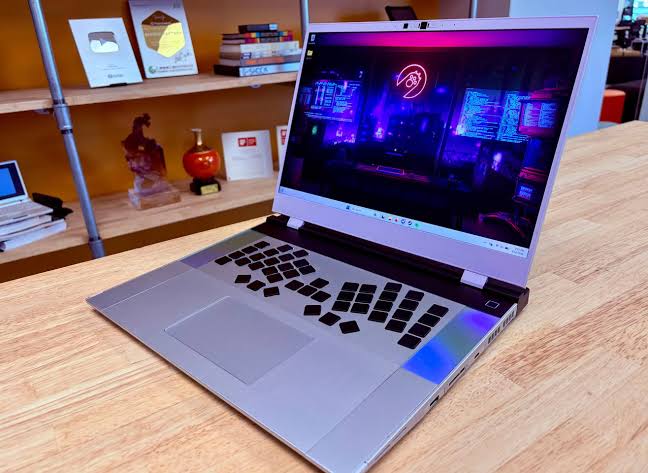
The company has also published open source documentation and firmware for its laptop input module systems.
That means developers and hobbyists can continue experimenting with the design even though Framework itself is no longer planning a retail version.
Some concepts created through the developer program may also provide ideas for future input modules or independent projects.
The cancellation shows the limits of modular laptop design
Framework has built its reputation around upgradeable and repairable laptops, including replaceable ports, keyboards, mainboards and graphics modules.
The One Key Module shows that not every modular concept can be turned into a practical consumer product.
Highly specialized hardware can become expensive quickly when production volumes are small, particularly when parts require precise assembly.
Framework's decision also gives a clearer picture of why laptop customization remains more limited than desktop PC customization.
The company is still supporting its wider modular input system, but the One Key Module itself will remain a prototype rather than a retail accessory.


Discussion (0)
Be the first to comment.