



A former EVGA sales manager has published a first-person account claiming the company kept at least one GeForce card on sale below cost to protect its supply of Nvidia GPUs. The claim is unverified, it covers a period that ended almost three years before EVGA left the graphics card business, and neither company has responded to it.
The account comes from Brendon Ray Hedrick, who writes under his own name in an essay on his personal website dated September 26, 2026. He describes himself as a temporary support employee who became a technical support supervisor, then a product marketer, then a sales manager, between February 2016 and December 2019.
What Hedrick actually claims
The central passage is short. "As I understood the arrangement, we were required to offer a model at NVIDIA's advertised starting price," Hedrick writes. He says a partner that did not could see its chip allocation cut.
"We needed to keep a loss leader, a card we sold at a loss, to keep NVIDIA happy and protect our access to the chips," he writes. He adds that those cheapest models were the ones customers wanted, recalling "the loss leaders being sold out almost continuously" while the profitable premium boards sat.
Hedrick is careful about the limits of his own account. He labels the allocation pressure, the loss leaders and the stock availability as "my recollections and assessment from inside the company". He also states flatly that he cannot establish motive, writing: "I cannot tell you whether NVIDIA intended to squeeze partners out".
The prices Nvidia did publish
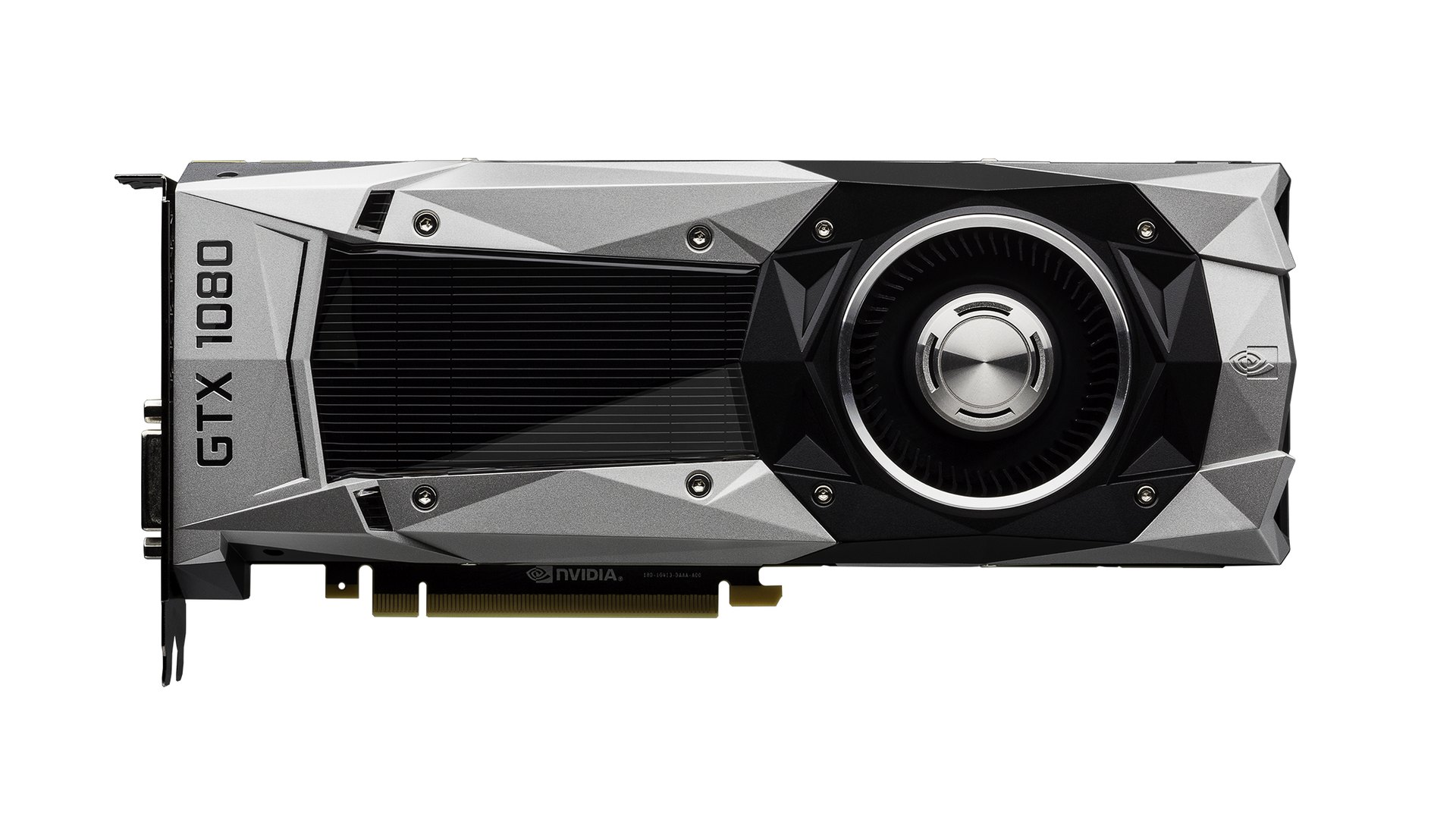
The price figures in the essay match Nvidia's own press releases, which is the one part of the story that can be checked. Nvidia's May 6, 2016 announcement put the GTX 1080 Founders Edition at $699 and said custom partner boards were "expected to start at $599".
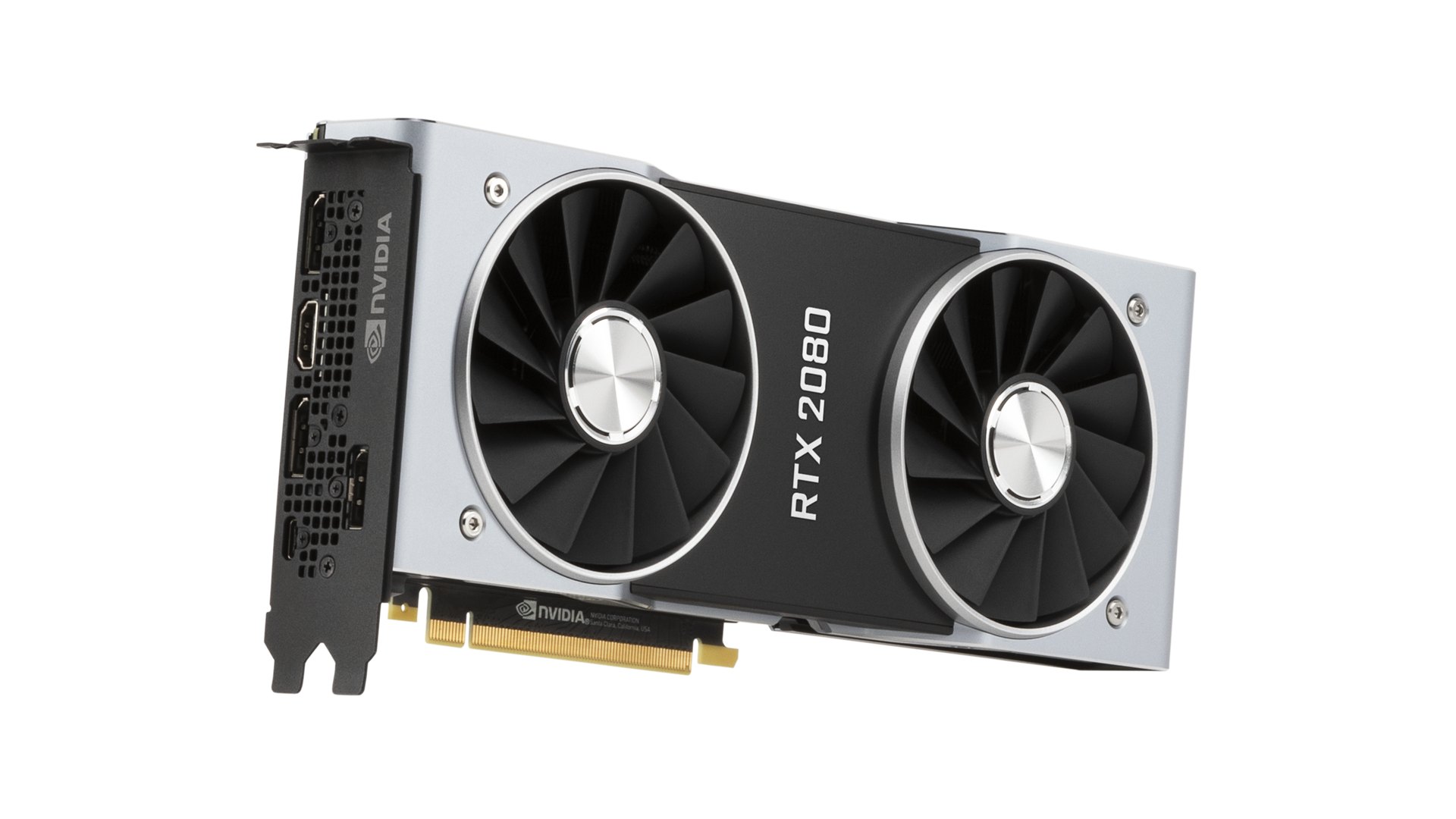
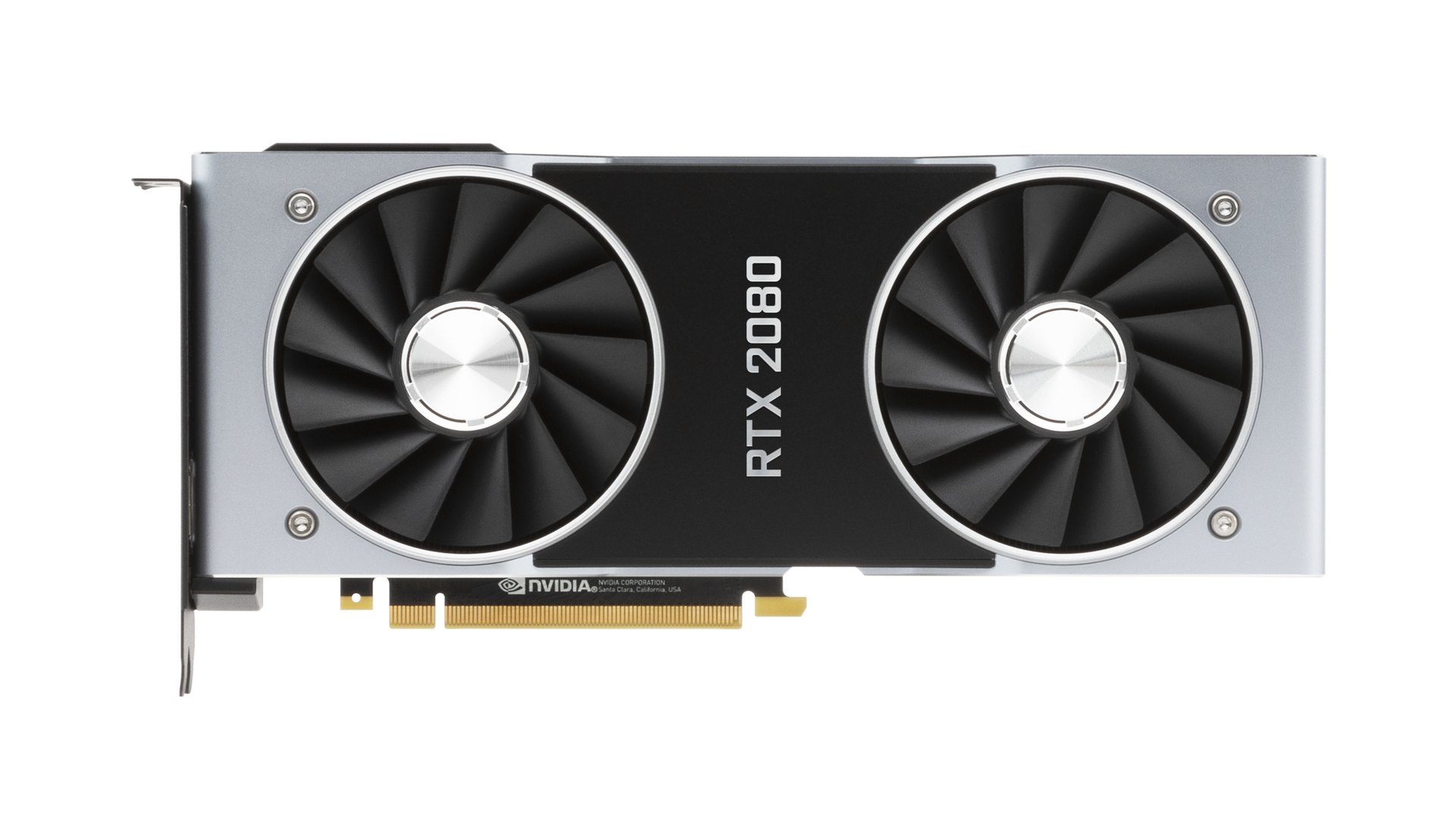
Two years later the gap moved up a tier. Nvidia's August 20, 2018 release listed the RTX 2080 at $699 and the RTX 2080 Founders Edition at $799.
By the generation after that the gap had closed. Nvidia's September 1, 2020 announcement gave the RTX 3080 a single starting price of $699, with no separate Founders Edition premium, and put the RTX 3090 at $1,499.
What those releases do not show is cost. Nvidia has never published what partners pay for a GPU, and it has never published any rule requiring them to hit a starting price. The published MSRPs confirm the numbers Hedrick cites, not the margin behind them.
Why the dates matter
Hedrick left in December 2019. EVGA's split with Nvidia became public on September 16, 2022, almost three years later, and the widely quoted figures about losses on higher-end RTX cards belong to that later period, not to his.
He draws the line himself. Those 2022 accounts were "discussing the market nearly three years after I left", he writes, and the losses described then "went beyond the loss leaders I remember from my own time there".
So the headline version of this story compresses two different things. His first-hand claim is about the GTX 10 and RTX 20 generations. The 2022 numbers are second-hand to him, and he says so.
What remains unconfirmed
EVGA published no press release when it left the graphics card business. Its website now promotes power supplies, carries no graphics card line and says nothing about the exit, though its support site still takes RMAs and serves driver downloads.
That leaves a one-sided record. EVGA has not confirmed Hedrick's description of the arrangement, and Nvidia has not denied it. His job titles and employment dates are self-reported in the essay, and no EVGA document corroborates them.
The underlying numbers are the part nobody outside either company can test. Per-card costs and margins have never been published, so whether any specific card sold below cost cannot be checked. Still, the pressure Hedrick describes is familiar in a market where component costs keep squeezing board partners and where retail prices drift above list. Until one of the two companies responds, it stays one person's recollection.

Discussion (0)
Be the first to comment.