



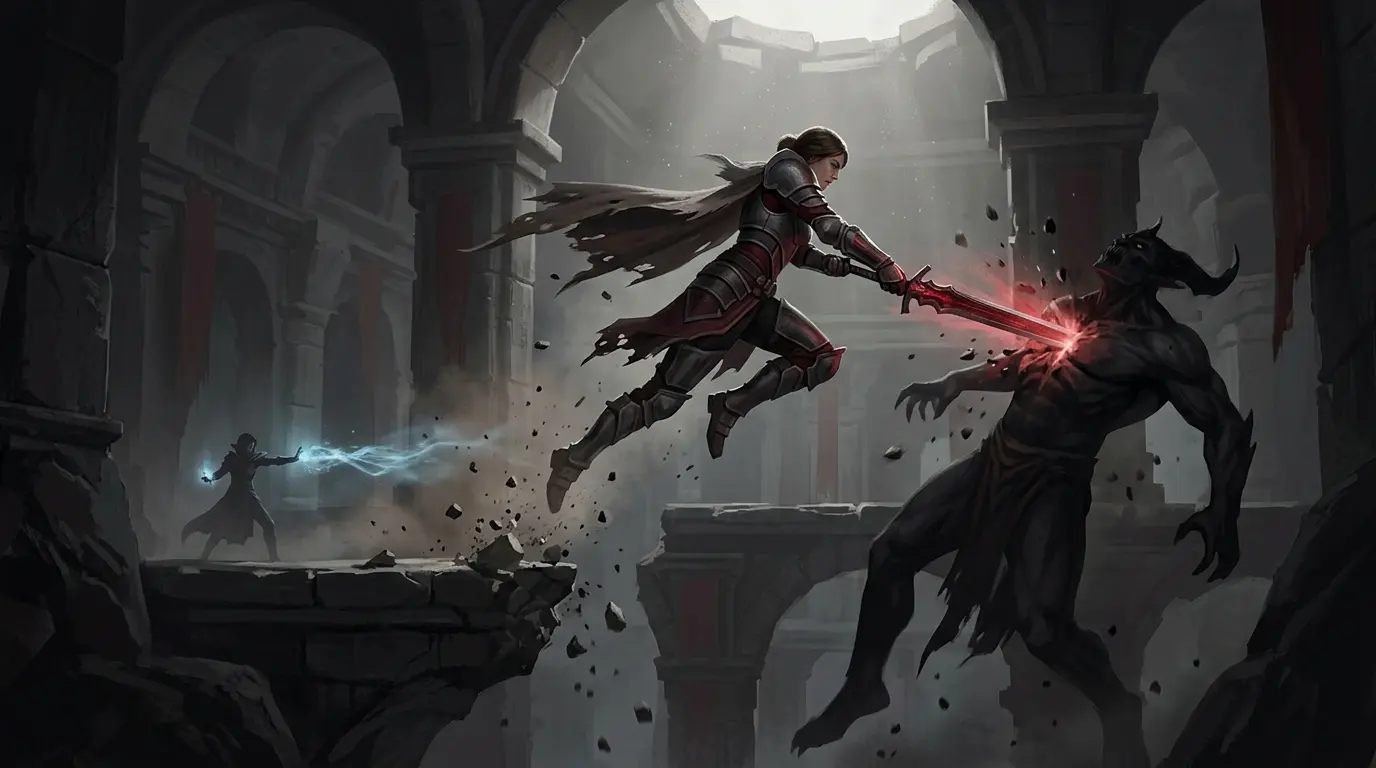
Final Fantasy Resonance brings Square Enix back to a more traditional turn based RPG structure while adding newer mechanics such as Stagger, character specific Visions, and a combat system built around exploiting enemy weaknesses.
The game is based on ideas and characters from Final Fantasy Brave Exvius, but its presentation and mechanics are being expanded for a full console and PC RPG.
Final Fantasy Resonance is scheduled to launch on October 22 for PC, PlayStation 5, Xbox Series X and S, and Nintendo Switch 2.
| Detail | Final Fantasy Resonance |
|---|---|
| Publisher | Square Enix |
| Release date | October 22 |
| Platforms | PC, PS5, Xbox Series X and S, Nintendo Switch 2 |
| Combat style | Turn based |
| Main mechanic | Stagger |
| Major customization system | Visions |
| Demo location | Wind Shrine |
| Protagonist shown | Rain |
| Voice acting | Fully voiced dialogue shown |
Turn Based Combat Returns With a Stagger System
Final Fantasy Resonance returns to turn based battles, but the combat is not simply a recreation of the earliest Final Fantasy games.
Enemies have weaknesses that can be targeted to fill a dedicated Stagger gauge.
Once an enemy is staggered, it becomes vulnerable to additional attacks.
If every enemy in an encounter is staggered, the party can perform a powerful Resonance Attack.
This gives battles a clear tactical rhythm. Rather than simply choosing the strongest available ability, players are encouraged to identify weaknesses, manage the turn order, and create opportunities to stagger multiple opponents together.
A visible turn bar at the top of the screen makes it easier to plan actions in advance.
The supplied hands on impressions suggest skilled players may be able to arrange attacks so that groups of enemies are staggered and defeated before they can respond.
Visions Add a New Layer of Character Customization
The Visions system is one of the more important additions.
Players can assign the spirits of other characters to party members and gain access to their signature abilities.
Visions function somewhat like a flexible Job system.
As they become stronger, they unlock additional magic, passive abilities, offensive skills, and support options.
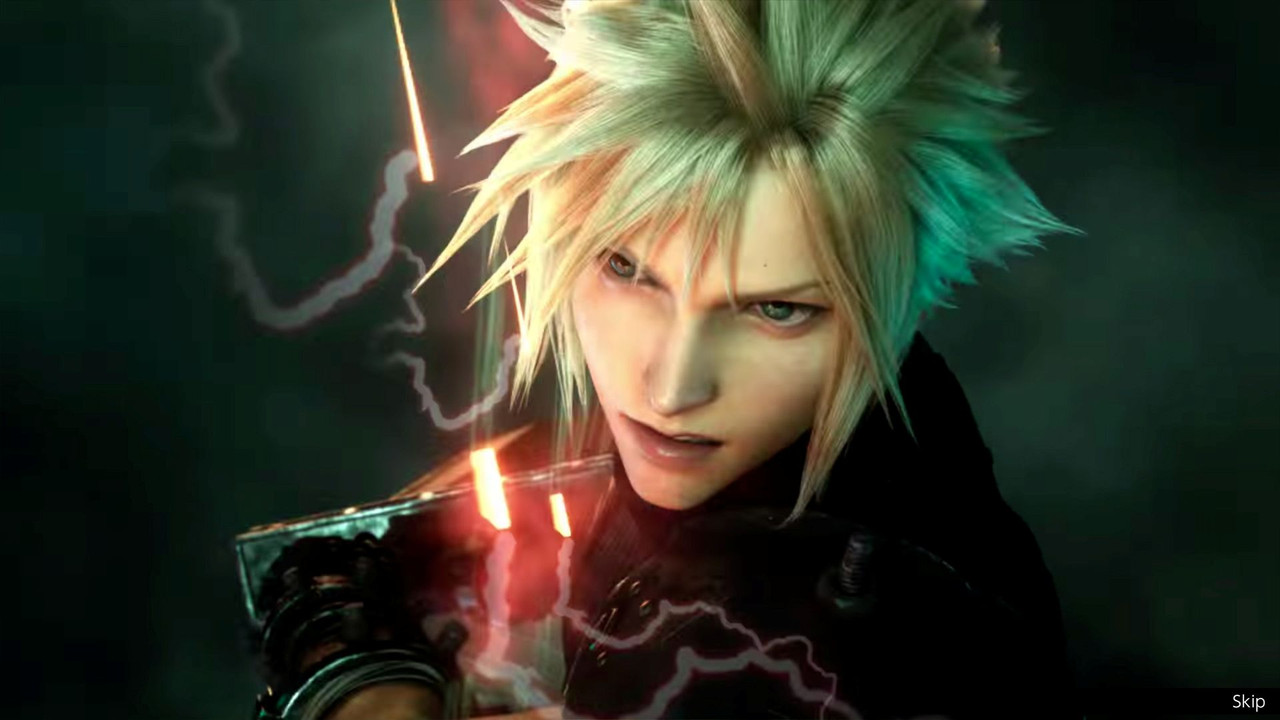
The system could allow individual party members to fill very different roles depending on which Vision is equipped.
Classic Final Fantasy characters also appear through this mechanic.
Confirmed examples include the Warrior of Light, Cloud, Squall, Zidane, and Noctis.
Recruiting Visions Includes References to Older Games
Unlocking some Visions involves answering questions connected to the character being recruited.
That gives the recruitment process a direct connection to earlier Final Fantasy titles rather than treating the returning characters only as collectible bonuses.
The mechanic is designed to recognize the wider history of the franchise while still serving a gameplay purpose.
The full number of Visions has not yet been detailed.
The Story Builds on Final Fantasy Brave Exvius
The Gamescom demo took place during Chapter 2 and followed Rain and his companions as they travelled toward the Wind Shrine.
Because the section was relatively early and focused heavily on combat, it offered only a limited look at how much the original Brave Exvius story has been changed.
The dialogue shown during the demo was fully voice acted.
Rain remains central to the story, with his impulsive personality immediately visible in the early interactions.
Final Fantasy Resonance appears to be using familiar material as a foundation rather than simply recreating the mobile game's presentation.
Dungeon Design Includes Optional Routes and Treasure
The Wind Shrine was described as one of the smaller dungeons in the game.
Even so, it included optional paths, treasure, and multiple enemy encounters.
The structure suggests exploration will remain important despite the return to a more traditional JRPG format.
Players who move away from the main route can find additional rewards rather than simply progressing from one battle to the next.
The demo party was reportedly overleveled, which made the regular enemies and final boss easier than they are expected to be in the finished game.
Square Enix has previously indicated that the full game is intended to offer more challenge.
Battles Reward Efficient Planning
Even with the lower difficulty of the demonstration, combat placed emphasis on solving encounters efficiently.
Finding weaknesses, filling Stagger gauges, and arranging actions in the correct order could allow players to finish fights quickly.
Successful execution can also provide additional rewards.
That approach gives individual battles a puzzle like quality without moving away from traditional turn based mechanics.
It also makes party building and Vision selection more important because different combinations can change which weaknesses and tactical options are available.
Resonance Is Using Nostalgia as a Foundation Rather Than the Entire Design
Final Fantasy Resonance clearly draws from the first several Final Fantasy games through its turn based structure, visual direction, exploration, and returning characters.
At the same time, systems such as Stagger, Resonance Attacks, Visions, modern voice acting, and more flexible character customization prevent it from functioning only as a retro style project.
The Gamescom demonstration suggests Square Enix is combining older Final Fantasy design principles with mechanics developed across more recent RPGs.
Final Fantasy Resonance launches on October 22, with its turn based combat, Vision system, and classic franchise characters currently standing out as the main features of its return to a more traditional style.



Discussion (0)
Be the first to comment.