



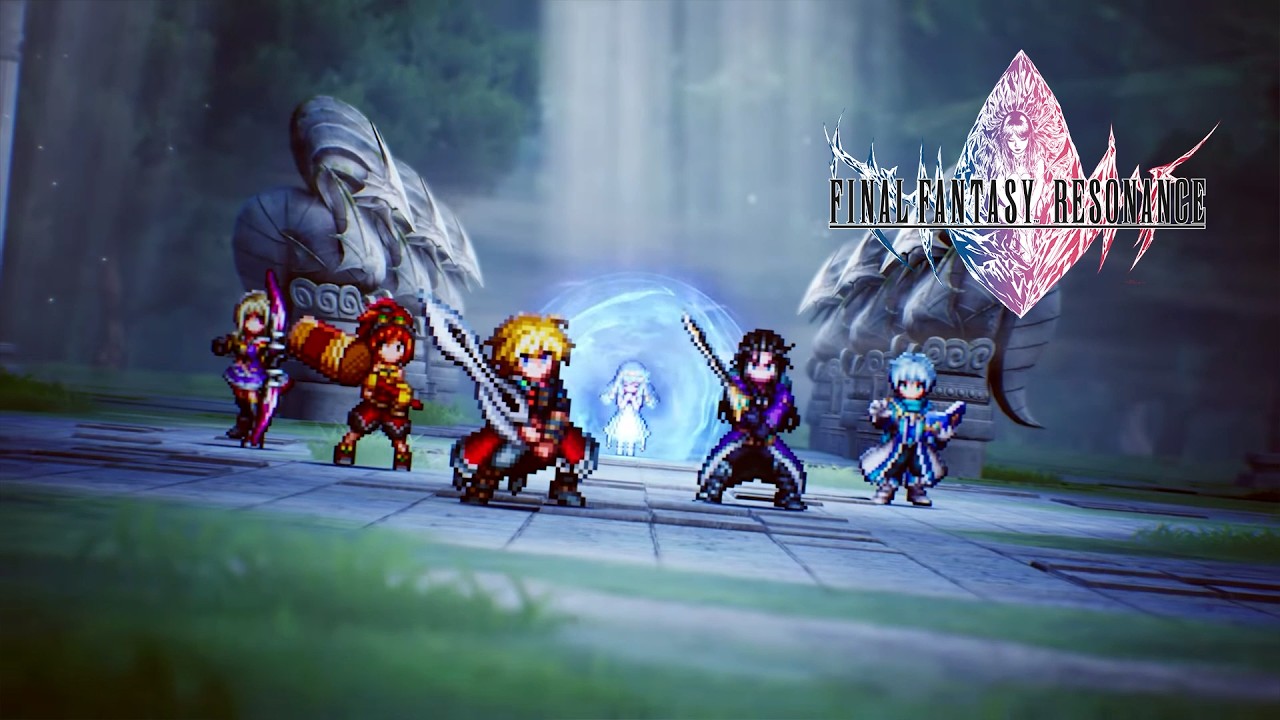
Final Fantasy Resonance is bringing traditional turn based combat back to the series, and its newly released demo gives players an early look at how Square Enix is combining classic mechanics with modern systems.
The game uses an HD 2D visual style that mixes detailed pixel art with 3D environments and modern lighting. It also returns to a more traditional Final Fantasy structure, with towns, dungeons, world exploration, equipment upgrades and party based battles.
Final Fantasy Resonance will launch on October 22, 2026, for Xbox Series X and Series S, PlayStation 5, Nintendo Switch, Nintendo Switch 2 and PC. The Xbox version will support Xbox Play Anywhere.
| Detail | Final Fantasy Resonance |
|---|---|
| Release date | October 22, 2026 |
| Combat | Turn based |
| Visual style | HD 2D |
| Main character | Rain |
| Main threat | The Sworn Six |
| Key system | Visions |
| Xbox support | Xbox Play Anywhere |
| Platforms | Xbox Series X and S, PS5, Switch, Switch 2, PC |
| Demo | Available now |
Final Fantasy returns to traditional turn based battles
The combat system begins with a familiar structure.
Party members and enemies take turns using physical attacks, spells and abilities. However, the game quickly adds newer mechanics that make battles more tactical.
Enemies have a Stagger gauge that can be broken by applying enough pressure. Once an enemy is staggered, the party receives additional opportunities to attack while the target is vulnerable.
This creates a rhythm where you are encouraged to build your party around breaking enemy defenses before committing your strongest abilities.
The system should feel familiar to players who have experienced recent Final Fantasy games, but the overall battle structure remains fully turn based rather than action focused.
Visions add another layer to party building
The most important new mechanic is the Vision system.
Visions allow characters to take on abilities and traits inspired by heroes from earlier Final Fantasy games, alongside new characters created specifically for Resonance.
Different Visions can change how a party member behaves in battle.
Some are designed for defensive roles, allowing characters to draw enemy attention and protect allies. Others focus on healing, damage or reducing an enemy's Stagger gauge.
The Warrior of Light Vision, for example, can turn a character into a defensive tank while also providing powerful attacks.
Using Visions repeatedly allows party members to permanently learn passive abilities. These traits can then be combined with other abilities to create custom builds.
That gives the system more depth than a simple temporary transformation mechanic.
Resonance attacks reward coordinated play
If all enemies are staggered at the same time, the party can trigger a Resonance attack.
These moves allow Visions to perform large finishing attacks or provide major support effects such as healing and buffs.
Because of that, staggering enemies is not only useful for creating openings. It can also lead to some of the strongest abilities available during combat.
This encourages careful party composition and proper timing rather than simply selecting the strongest attacks every turn.
Optional bosses in the demo also appear to demand more thoughtful preparation, particularly on higher difficulty settings.
The hardest difficulty is available immediately, rather than requiring players to complete the game first.
The story follows a simpler traditional setup
Final Fantasy Resonance follows Rain, a Knight of Grandshelt who is trying to protect the world's Crystals from a group of dark knights known as the Sworn Six.
The basic premise is intentionally easy to understand.
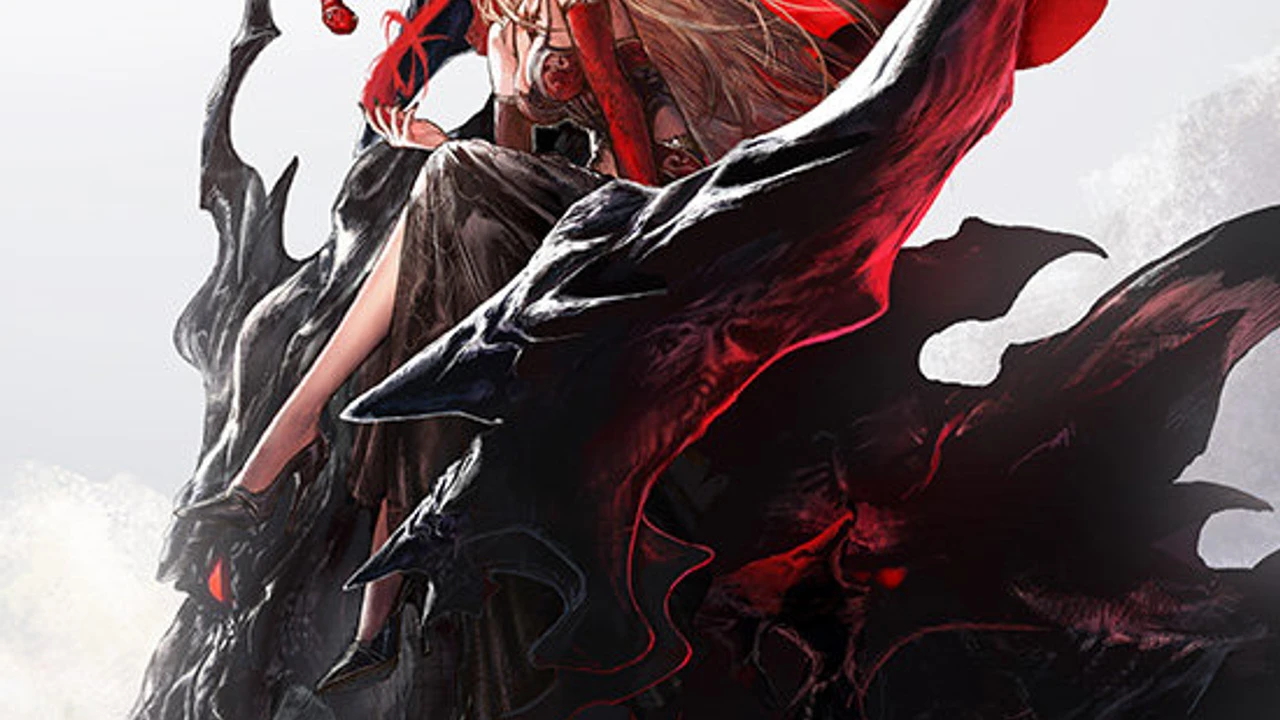
That simpler structure leaves room for character development, side quests and world building without requiring players to follow a heavily layered central plot from the beginning.
Side content also explores the histories of party members and provides additional context for the game's world.
The game includes familiar Final Fantasy elements such as Crystals, Bahamut and references to previous heroes, but it is designed so that newcomers should still be able to follow the story without extensive knowledge of the series.
HD 2D presentation gives the game a classic look
The visual style combines pixel art characters with modern effects, detailed environments and cinematic lighting.
Battle animations use the same approach, with elaborate attacks and large scale effects appearing alongside traditional sprite based characters.
The result is intended to recall older Final Fantasy games while still taking advantage of modern hardware.
Final Fantasy Resonance will launch on October 22, 2026. A playable demo is already available, giving players a chance to test its turn based combat, Vision system and HD 2D presentation before release.

Discussion (0)
Be the first to comment.