


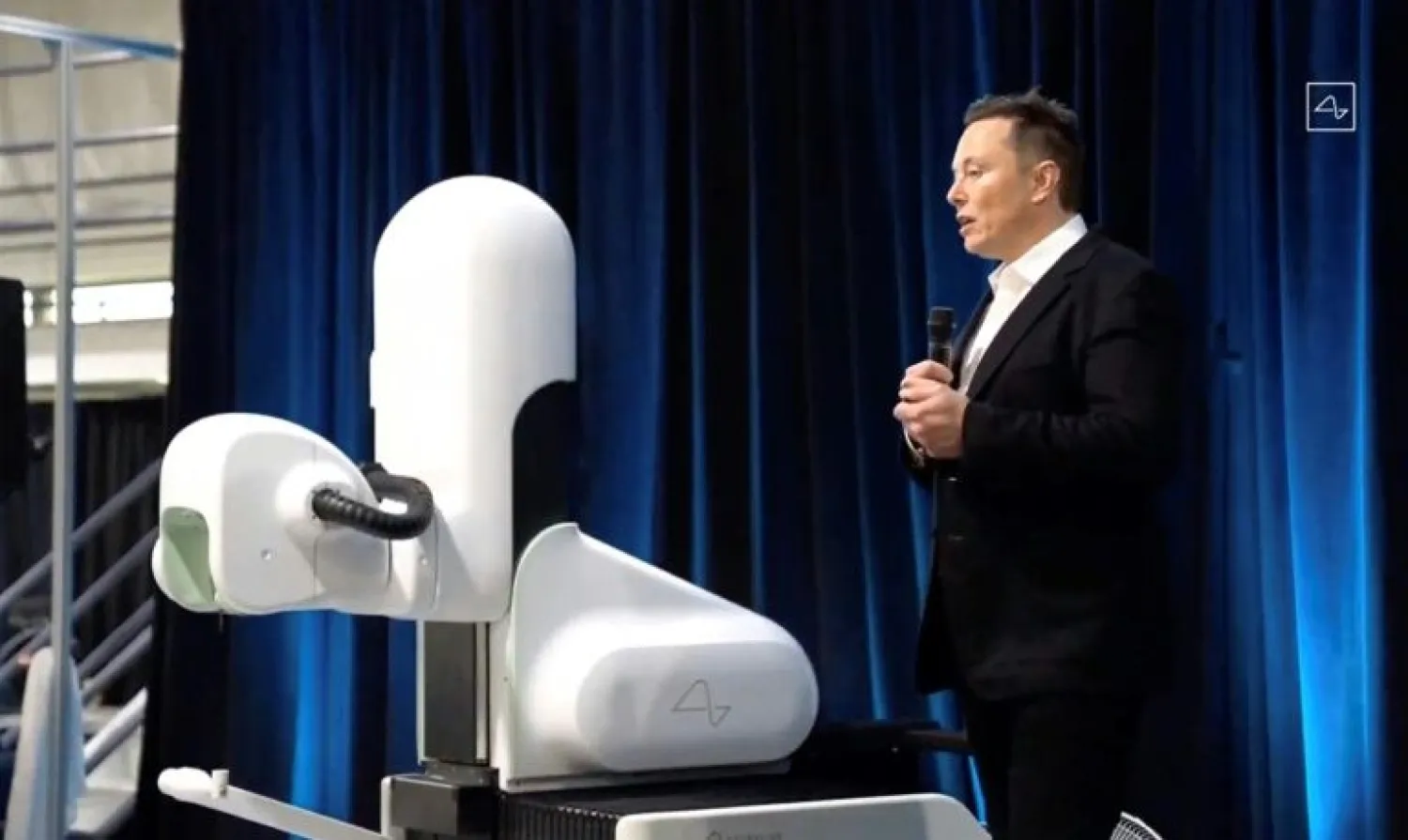
Elon Musk has predicted that humanoid robots will eventually consume more memory than other computing devices operating on Earth, although current estimates suggest their impact on the global RAM market will remain relatively small.
The Tesla and SpaceX CEO made the comments on October 26, 2026, while responding to research forecasting a sharp increase in memory demand from humanoid robots by 2030.
Musk argued that robots would require substantial computing resources because they must operate physical systems and interact with their surroundings.
However, he also suggested that future superintelligent AI systems would require significantly more memory, while predicting that nearly all such computing infrastructure would eventually operate in deep space.
His comments come amid an ongoing global memory shortage that has increased the cost of RAM and other PC components.
Humanoid Robot Memory Demand Could Increase Twentyfold by 2030
Research attributed to Counterpoint predicts that memory requirements for humanoid robots could increase approximately twentyfold over the next four years.
The estimates suggest that total DRAM demand from humanoid robot computing systems could grow from 8,300 terabits to 172,000 terabits by 2030.
| Metric | Estimated DRAM demand |
|---|---|
| Current humanoid robot demand | 8,300 terabits |
| Projected demand in 2030 | 172,000 terabits |
| Expected increase | Approximately 20 times |
| Current global DRAM capacity | Approximately 320 million terabits |
Despite the projected increase, humanoid robots would account for only around 0.054% of the estimated current global DRAM capacity.
That calculation suggests robots alone are unlikely to become a major cause of memory shortages within the next four years.
However, the forecast depends on how quickly humanoid robot production expands and how much memory individual machines require.
AI Data Centers Continue to Drive Memory Shortages
Demand from artificial intelligence infrastructure remains a much larger factor affecting the memory industry.
AI data centers require substantial amounts of memory to train and operate increasingly complex models.
Manufacturers have responded by directing production resources toward high value memory products used in AI servers, contributing to tighter supplies in other market segments.
These changes have increased costs for consumer hardware, including gaming PCs and memory upgrades.
Some industry forecasts suggest that supply constraints could continue through 2030 as AI infrastructure investment expands.
Musk's prediction about robots does not necessarily change that outlook, particularly because the estimated memory demand from humanoid machines remains comparatively small.
Musk Expects Future AI Computing to Move Into Space
Another important part of Musk's comments concerns the potential location of future AI infrastructure.
He suggested that nearly all superintelligent AI computing would eventually take place in deep space, leaving humanoid robots as major memory consumers on Earth.
However, this remains a prediction rather than an established industry development plan.
Moving large computing facilities into space would require considerable advances in infrastructure, energy supply, cooling and maintenance.
For the foreseeable future, terrestrial AI data centers are likely to remain the primary source of pressure on memory production.
While humanoid robotics could become an increasingly important market for DRAM manufacturers, current projections indicate that its contribution to global memory demand will remain limited compared with large AI computing facilities.
Discussion (0)
Be the first to comment.