



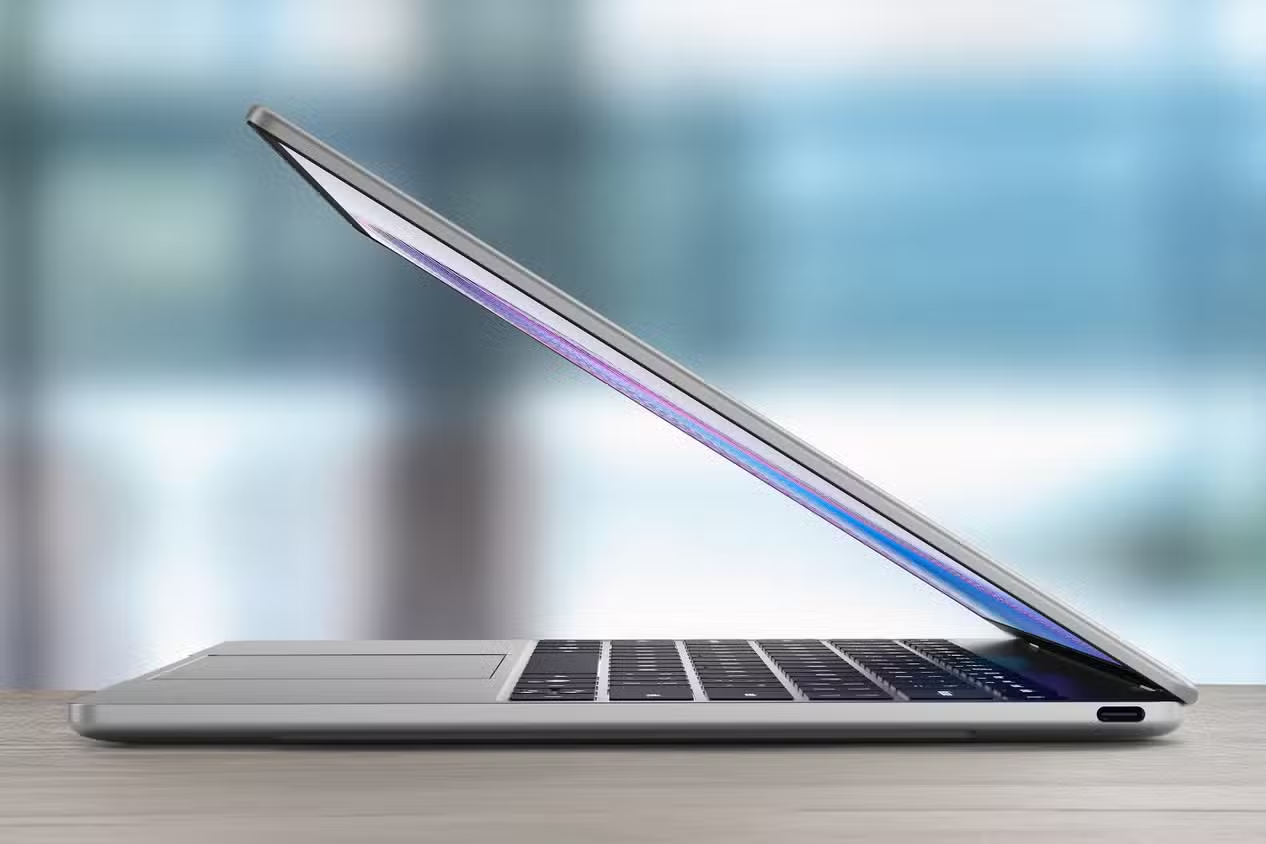
Dell’s 2026 XPS 13 is shaping up to be a stronger MacBook Neo rival than expected, especially for students and Windows buyers who want a thin premium laptop without giving up basic everyday features. Apple’s MacBook Neo starts at $599 for all buyers, but Dell is matching that price for students and offering several hardware advantages that the Neo does not include.
The new XPS 13 was unveiled at Computex 2026 and quickly drew comparisons to Apple’s budget focused MacBook Neo. Both laptops are designed to appeal to students and buyers who want a sleek, lightweight machine at a lower entry price than traditional premium models. But Dell’s approach is different. Instead of cutting several convenience features to hit a lower price, the XPS 13 keeps many of the things you would expect from a modern laptop in 2026.
The result is a Windows laptop that looks surprisingly competitive against Apple’s new MacBook. The MacBook Neo still has clear strengths, especially with Apple’s efficient A18 Pro chip, but the XPS 13 wins in several visible and practical categories.
Dell gives the XPS 13 features Apple left out
The biggest advantage for Dell is the feature set. The XPS 13 includes a backlit keyboard, while the MacBook Neo does not. That may sound small, but a keyboard backlight is now expected on most modern laptops, especially for students and workers who may use their laptop in lecture halls, bedrooms, libraries, or low light spaces.
Dell also includes facial recognition through a 1080p webcam with an IR sensor. Apple offers Touch ID on the MacBook Neo, which is still useful, but Windows Hello face unlock gives the XPS 13 a more hands free login experience.
| Category | Dell XPS 13 2026 | MacBook Neo |
|---|---|---|
| Starting price | $599 for students, $699 regular | $599 for all buyers |
| Display | 13.4 inch 2.5K touch, 120Hz VRR | 13 inch, 60Hz, non touch |
| Keyboard | Backlit | No backlight |
| Biometrics | Windows Hello facial recognition | Touch ID |
| Speakers | Quad speakers | Dual speakers |
| Wireless | WiFi 7, Bluetooth 6.0 | WiFi 6E, Bluetooth 6 |
| Ports | Dual USB C, Thunderbolt 4 on higher model | USB C 3.2, USB C 2.0, headphone jack |
| Weight | 2.2 pounds | 2.7 pounds |
| RAM | Up to 32GB | 8GB maximum |
| Storage | Up to 1TB | Up to 512GB |
The XPS 13 also has quad speakers with 8W total output, while the MacBook Neo uses dual speakers. Both support Dolby Atmos, but Dell’s extra speaker hardware should help with fuller sound.
Ports are another win for Dell. The Wildcat Lake version of the XPS 13 includes two USB C 3.2 Gen 2 ports, while the higher end Panther Lake model adds two Thunderbolt 4 ports. The MacBook Neo has one USB C 3.2 Gen 2 port, one slower USB C 2.0 port, and a headphone jack. It also supports only one external 4K display at 60Hz, which makes the XPS 13 the better choice for buyers who use external monitors.
The XPS 13 has the better screen on paper
The display is where Dell pulls ahead most clearly. The XPS 13 has a 13.4 inch 2560 x 1600 touch display with a variable refresh rate from 30Hz to 120Hz. The MacBook Neo has a 13 inch 2408 x 1506 display locked at 60Hz with no touch support.
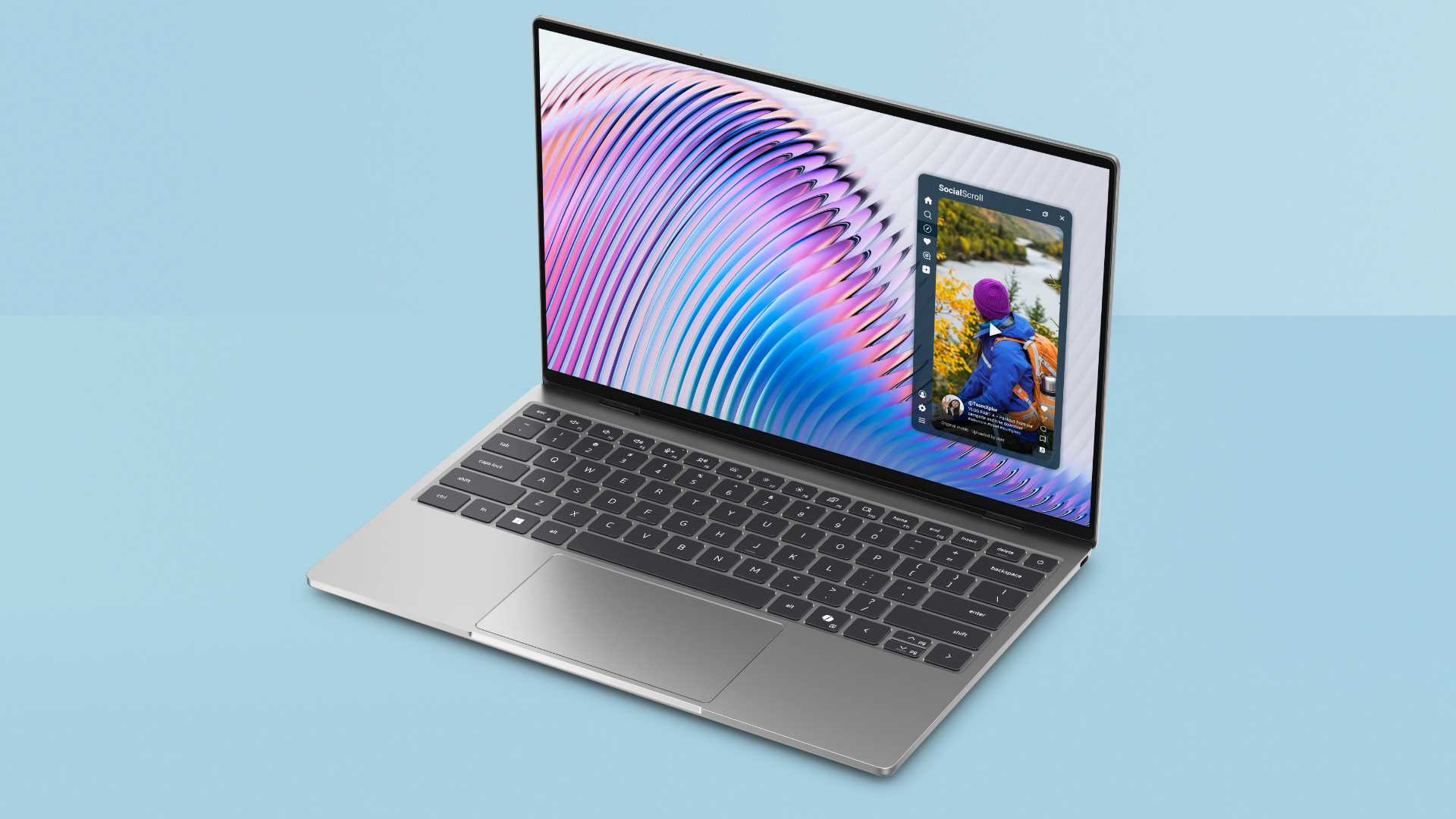
That 120Hz refresh rate should make scrolling, animations, and general use feel smoother on the XPS 13. The ability to drop to 30Hz can also help save battery life when a high refresh rate is not needed.
Both laptops reach around 500 nits of brightness and support Dolby Vision, but Dell adds DisplayHDR 400, anti glare coating, 100 percent DCI P3 color coverage, and touch input. For students, creators, and everyday users, that is a strong display package at this price level.
The XPS 13 is also lighter. It weighs 2.2 pounds, compared with 2.7 pounds for the MacBook Neo. Both laptops are 0.5 inches thin, but Dell’s smaller footprint and lower weight make it easier to carry around campus or during travel.
Apple may still hold the efficiency advantage
The MacBook Neo’s biggest strength is likely its A18 Pro chip. Apple’s silicon has a strong reputation for efficiency, and early comparisons suggest the A18 Pro performs well while keeping battery life strong. Dell’s Intel Core 5 320 Wildcat Lake chip appears competitive, especially in multi core performance, but real world testing will matter.
Dell says the XPS 13 can reach up to 17 hours of video streaming with its 52Wh battery, while Apple claims around 16 hours for the MacBook Neo. Those numbers are close, but Apple may still have the edge in practical efficiency, depending on workload and software behavior.
The XPS 13 also has more hardware flexibility. Buyers can configure it with up to 32GB of RAM and 1TB of storage, while the MacBook Neo tops out at 8GB of RAM and 512GB of storage. That makes Dell’s laptop more appealing for buyers who want room to grow or need heavier multitasking.
The better choice depends on platform preference
The XPS 13 looks like the stronger overall package for students who want Windows. It offers a better display, more useful ports, a lighter design, a backlit keyboard, facial recognition, quad speakers, and more configuration options.
The MacBook Neo still makes sense for buyers who prefer macOS, want Apple’s ecosystem, and value the A18 Pro’s efficiency. It also has the simpler pricing advantage because its $599 starting price applies to everyone, not only students.
But for Windows buyers, Dell has created a serious MacBook Neo competitor. The new XPS 13 fills several gaps Apple left open and does so in a compact premium chassis that does not feel like a budget compromise.
The 2026 XPS 13 is expected to launch in June, while the MacBook Neo is already available. If Dell’s real world performance and battery life match its promises, this could become one of the strongest student focused Windows laptops of the year.



Discussion (0)
Be the first to comment.