



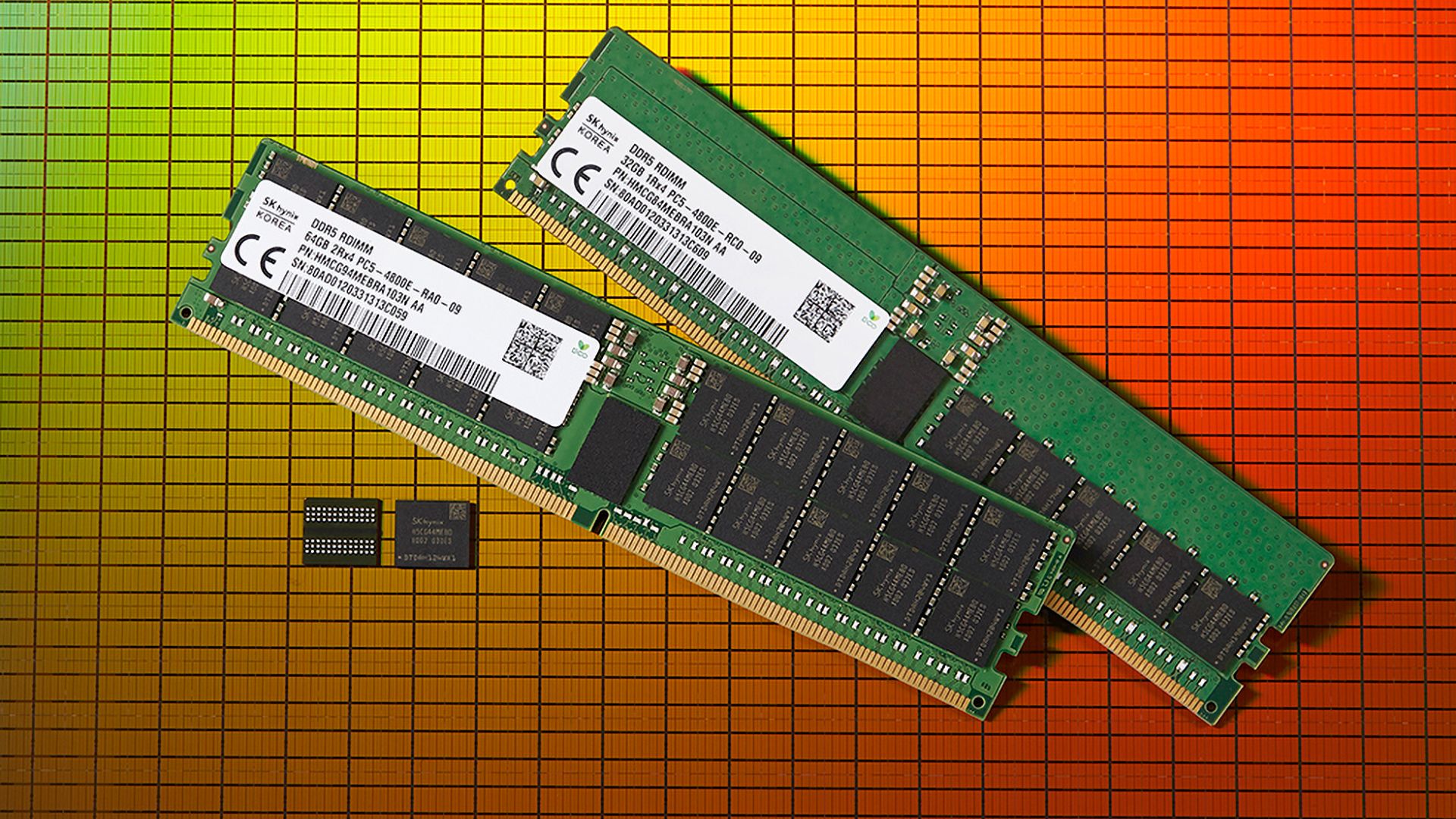
Server memory is facing a major bandwidth problem as AI, cloud computing, and high performance workloads continue to grow. DDR6 is expected to help in the future, but it will also bring higher costs and a physical platform change. MRDIMM technology is now being positioned as a way to extend DDR5’s life by delivering much higher bandwidth without forcing data centers to move to a new memory slot.
MRDIMM stands for Multiplexed Rank Dual Inline Memory Module. In simple terms, it adds a multiplexer and control logic on the memory module to handle data across multiple ranks more efficiently. This allows DDR5 based server memory to move beyond standard RDIMM speeds while keeping compatibility with platforms designed for DDR5 style memory.
The first generation of MRDIMMs reached 8800 MT/s with capacities up to 256GB. Intel was the first major company to adopt the standard with its Xeon 6 Granite Rapids platform. That was already a meaningful jump over standard DDR5 RDIMMs, which JEDEC lists around 6400 MT/s at the high end.
MRDIMMs help servers delay the move to DDR6 while still gaining bandwidth
The next steps are more important. Second generation MRDIMMs are expected to reach 12,800 MT/s, while third generation models are projected to hit up to 17,600 MT/s around 2030. That would put DDR5 MRDIMM bandwidth close to what many would expect from DDR6 class memory, but without requiring the same pin change.
For data centers, that matters because server upgrades are not simple. A full platform move can involve new CPUs, motherboards, validation work, supply planning, firmware support, and higher deployment costs. If MRDIMMs can give existing and upcoming DDR5 based server platforms a major bandwidth upgrade, they can reduce pressure to move immediately to DDR6.
| Memory type or generation | Expected speed | Main advantage |
|---|---|---|
| Standard DDR5 RDIMM | Up to around 6400 MT/s | Mature server memory standard |
| First generation DDR5 MRDIMM | 8800 MT/s | Higher bandwidth on DDR5 platforms |
| Second generation DDR5 MRDIMM | 12,800 MT/s | Roughly double standard DDR5 RDIMM bandwidth |
| Third generation DDR5 MRDIMM | Up to 17,600 MT/s | DDR6 class bandwidth target |
| DDR6 | Expected later this decade | New memory generation, but with platform changes |
The timing fits the wider server market. AI training, AI inference, databases, virtualization, and high density compute all need more memory bandwidth. CPUs are adding more cores, accelerators are handling larger models, and memory has to keep pace. If memory bandwidth does not rise, expensive processors can spend more time waiting for data.
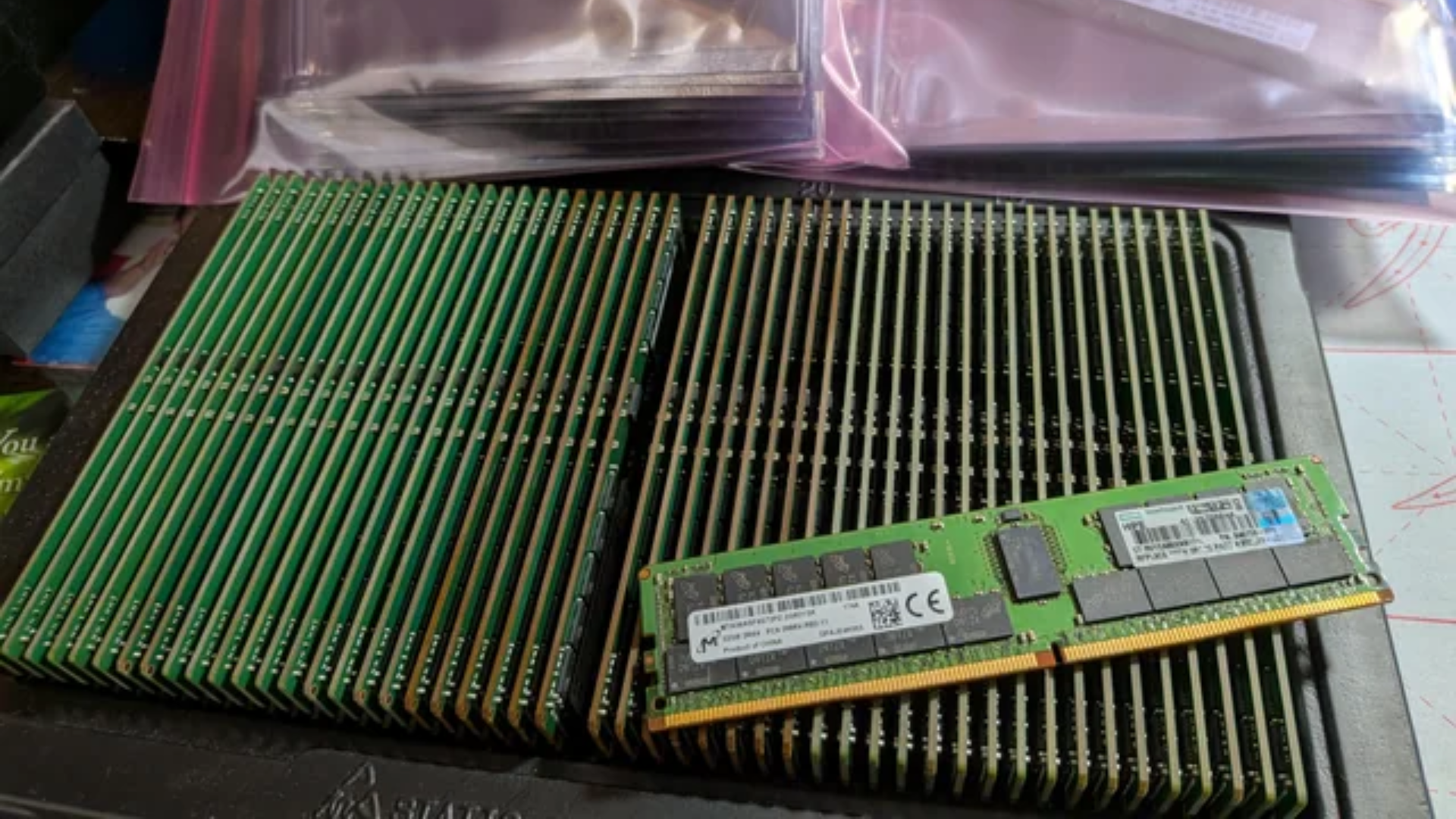
Intel and AMD both appear invested in MRDIMM adoption. Intel’s upcoming Diamond Rapids Xeon 7 processors are expected to use second generation DDR5 MRDIMMs. AMD’s EPYC Venice platform, based on Zen 6, is also expected to support the technology. AMD’s Verano platform, which is focused more on AI inference, is expected to use LPDDR5X instead.
MRDIMM is not a permanent replacement for DDR6. DDR6 will still arrive with its own improvements, and DDR6 based MRDIMMs will likely follow later. The point is that DDR5 MRDIMMs can give server makers a practical bridge. They offer more bandwidth now or soon, while avoiding the immediate cost and disruption of a full memory generation shift.
For data centers under pressure to expand AI and compute capacity, that bridge could be valuable. DDR5 MRDIMMs allow current memory infrastructure to stretch further, give CPU platforms more bandwidth, and reduce the urgency of waiting for DDR6. As long as pricing, availability, and platform support remain reasonable, MRDIMMs could become one of the most important server memory upgrades of the next few years.



Discussion (0)
Be the first to comment.