



Chinese memory manufacturer CXMT reportedly ordered engineers linked to Huawei to leave one of its research and development facilities during June 2026, reflecting growing tension between the two companies as DRAM demand strengthens CXMT’s negotiating position.
The engineers worked for SiCarrier, a semiconductor equipment supplier with close strategic ties to Huawei. They had reportedly been operating inside cleanrooms at CXMT’s main research centre when they were instructed to remove their tools and leave without advance notice.
The engineers have not been permitted to return, although CXMT and Huawei are understood to have continued doing business with each other.
People familiar with the matter reportedly connected the incident to a wider disagreement over memory prices. Huawei had sought relief from higher DRAM costs, but CXMT continued raising prices as demand from AI infrastructure placed pressure on global supply.
The incident has not been confirmed publicly by CXMT, Huawei or SiCarrier. The circumstances and motivations should therefore be treated as reported claims rather than established facts.
| Development | Reported detail |
|---|---|
| Companies involved | CXMT, Huawei and SiCarrier |
| Location | CXMT research and development facility |
| Timing | June 2026 |
| Reported action | SiCarrier engineers ordered to leave |
| Current access | Engineers reportedly remain excluded |
| Wider issue | Disagreement over increasing DRAM prices |
| Business relationship | CXMT and Huawei reportedly continue trading |
Strong AI demand has changed the balance of power in memory supply
Memory manufacturers have traditionally operated in a cyclical market where periods of oversupply could push prices and margins sharply lower.
Large technology companies often used their purchasing scale to negotiate favourable contracts, particularly when DRAM and NAND suppliers were competing for limited demand.
The AI infrastructure boom has changed those conditions.
Large data centres require enormous quantities of memory for servers, processors and accelerators. High-bandwidth memory receives much of the attention, but conventional DRAM and low-power memory are also required throughout AI systems.
As manufacturers redirect capacity towards more profitable data centre products, fewer components may remain available for smartphones, PCs and other consumer devices.
This has allowed memory suppliers to demand higher prices and become more selective about which customers receive priority.
CXMT and fellow Chinese memory producer YMTC were previously supported by state investment while building their manufacturing capabilities. Their stronger market position now appears to give them more freedom when negotiating with major domestic customers.
Reports suggest some Chinese memory products are being offered at prices above comparable parts from South Korean manufacturers because immediate availability has become more important than historical pricing relationships.
Huawei reportedly failed to secure relief from rising DRAM costs
Huawei is one of China’s largest technology companies and a major buyer of memory for smartphones, servers, networking equipment and other hardware.
Despite its scale and strategic importance, the company reportedly struggled to persuade CXMT to reduce or delay its latest price increases.
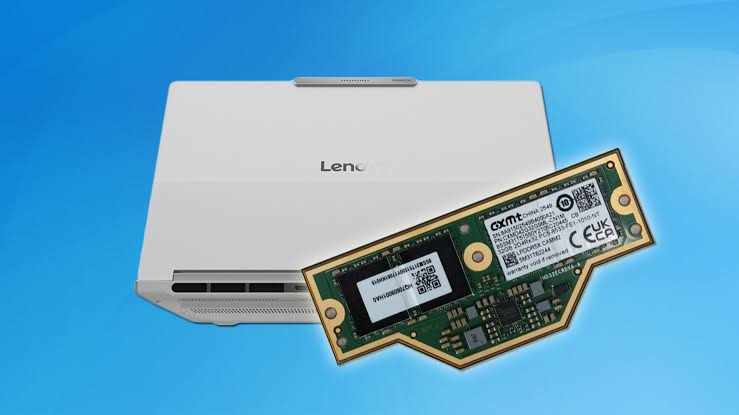
This disagreement is notable because both businesses face pressure from US export restrictions and might otherwise be expected to cooperate closely.
Huawei relies increasingly on domestic suppliers as access to foreign semiconductor technologies becomes more limited. CXMT also benefits from customers seeking Chinese alternatives to Samsung, SK hynix and Micron.
However, shared national interests do not remove commercial competition.
CXMT may be prioritising customers willing to pay the highest prices, particularly while global memory supplies remain constrained. Huawei, meanwhile, needs to control component costs across products sold in highly competitive markets.
The conflict reportedly reached a more serious stage when SiCarrier employees were removed from the CXMT facility.
SiCarrier’s involvement makes the dispute more sensitive
SiCarrier is closely associated with Huawei’s semiconductor ambitions.
The company has participated in efforts to develop domestic chipmaking equipment and has reportedly worked on technologies intended to reduce China’s dependence on foreign manufacturing tools.
Its engineers’ presence inside CXMT’s research facility suggests that the companies may have been cooperating on equipment, production processes or manufacturing development.
Removing those engineers could therefore affect more than a conventional supplier relationship.
The report does not explain what work they were performing, how long they had been at the site or whether their removal interrupted a specific programme.
It also remains unclear whether the decision came from a temporary security dispute, a contract disagreement or a broader breakdown in cooperation.
SiCarrier reportedly views the incident as part of a power struggle created by CXMT’s stronger commercial position. That interpretation has not been independently confirmed by the companies involved.
CXMT may be gaining more control over customer selection
CXMT’s growing influence is linked to the shortage of available DRAM capacity.
Reports suggest the company has begun selecting customers according to their willingness to pay, rather than treating all strategic domestic buyers equally.
This approach would represent a significant change for a manufacturer that once depended heavily on subsidies and government support while competing with larger international suppliers.
The stronger position may also help CXMT fund future production and technology development.
Building advanced memory factories requires substantial capital, while each new DRAM generation demands improvements in manufacturing equipment, yields and chip design.
Higher prices can support those investments, but aggressive increases may damage long-term relationships with customers such as Huawei.
China’s semiconductor strategy depends on cooperation between chip designers, equipment suppliers, foundries and memory manufacturers. Disputes between major companies could slow progress even when each business is advancing independently.
Apple’s reported interest could strengthen CXMT further
Apple has reportedly explored adding CXMT to its memory supply chain as part of an effort to reduce dependence on existing suppliers.
No broad partnership has been formally confirmed, and regulatory or political concerns could affect any agreement.
Even the possibility of supplying Apple could strengthen CXMT’s position during negotiations with other customers.
Apple purchases components in extremely large volumes and usually requires suppliers to meet strict standards for quality, consistency and production capacity.
Winning part of that business would give CXMT additional revenue, technical credibility and negotiating power.
It could also allow the company to reduce its dependence on Chinese smartphone manufacturers, making it easier to reject requests for lower pricing.
DDR6 development could become the next major competition
CXMT is also expected to pursue future memory technologies such as DDR6.
Entering the market early could help it close the technological gap with Samsung, SK hynix and Micron. It could also give Chinese system manufacturers a domestic source for next-generation memory.
Commercial DDR6 products are still some distance away, and the final schedule remains uncertain.
Developing competitive products will require more than strong demand. CXMT must improve manufacturing yields, power efficiency, performance and production scale while working around restrictions on advanced semiconductor equipment.
The reported dispute with Huawei shows that domestic semiconductor independence does not guarantee smooth cooperation between Chinese companies.
CXMT’s stronger market position may help it invest in new technology, but its relationship with Huawei remains important. Both companies could benefit from continued collaboration as they face external restrictions and rising competition.
For now, they reportedly remain commercial partners despite the removal of SiCarrier engineers. Whether the incident develops into a lasting break or remains a temporary pricing confrontation has not been confirmed.



Discussion (0)
Be the first to comment.