



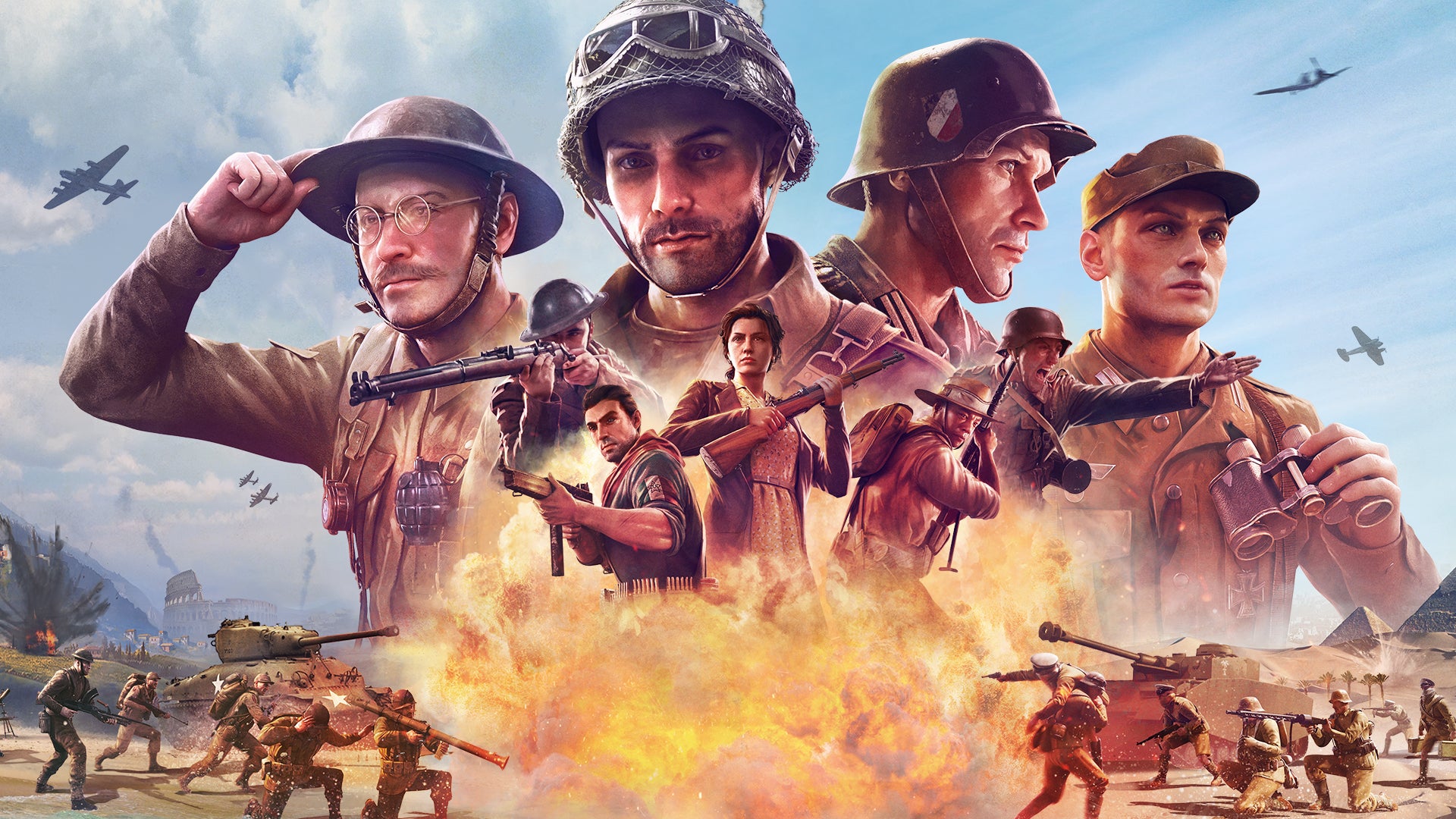
Company of Heroes is celebrating its 20th anniversary at a complicated point in Relic Entertainment’s history. The studio is smaller, independent again and still recovering from difficult years, but the team says it remains committed to supporting the strategy series that helped define its identity.
The original Company of Heroes launched in 2006 and quickly became one of the most respected real time strategy games of its era. Relic combined traditional tactical combat with detailed physics, destructible environments, cover mechanics and squad behavior that made individual soldiers feel more vulnerable than units in many other strategy games.
That approach remains central to the franchise today.
| Game | Release | Notable direction |
|---|---|---|
| Company of Heroes | 2006 | Cover, destructible environments, territory control |
| Opposing Fronts | 2007 | Expanded factions and campaigns |
| Tales of Valor | 2009 | New scenarios and gameplay additions |
| Company of Heroes 2 | 2013 | Eastern Front, cold weather and environmental hazards |
| Ardennes Assault | 2014 | Dynamic campaign structure |
| Company of Heroes 3 | 2023 | Italy and North Africa, larger campaign ambitions |
Relic wanted soldiers to feel like people rather than disposable units
One of the original design goals was to make the battlefield feel more personal.
Infantry took cover, reacted to incoming fire and could become pinned under pressure. Animation and audio were also used to give squads a stronger sense of personality.
The development team has described this principle as humanizing the battlefield. It separated Company of Heroes from strategy games where individual units often functioned mainly as pieces in a larger economic or tactical system.
Relic was also willing to experiment heavily. Developers recalled that the original team frequently added ambitious features rather than cutting ideas early. Cover systems, squad tactics and destructible terrain all became important parts of the final design.
That willingness to take risks helped the first game stand out, although the same philosophy created more complicated results in later entries.
Company of Heroes 2 expanded the formula with environmental systems
Company of Heroes 2 shifted the series to the Eastern Front when it launched in 2013.
The sequel introduced systems tied closely to its setting. Infantry exposed to severe cold could suffer from the weather, while frozen rivers and lakes could be destroyed beneath vehicles.
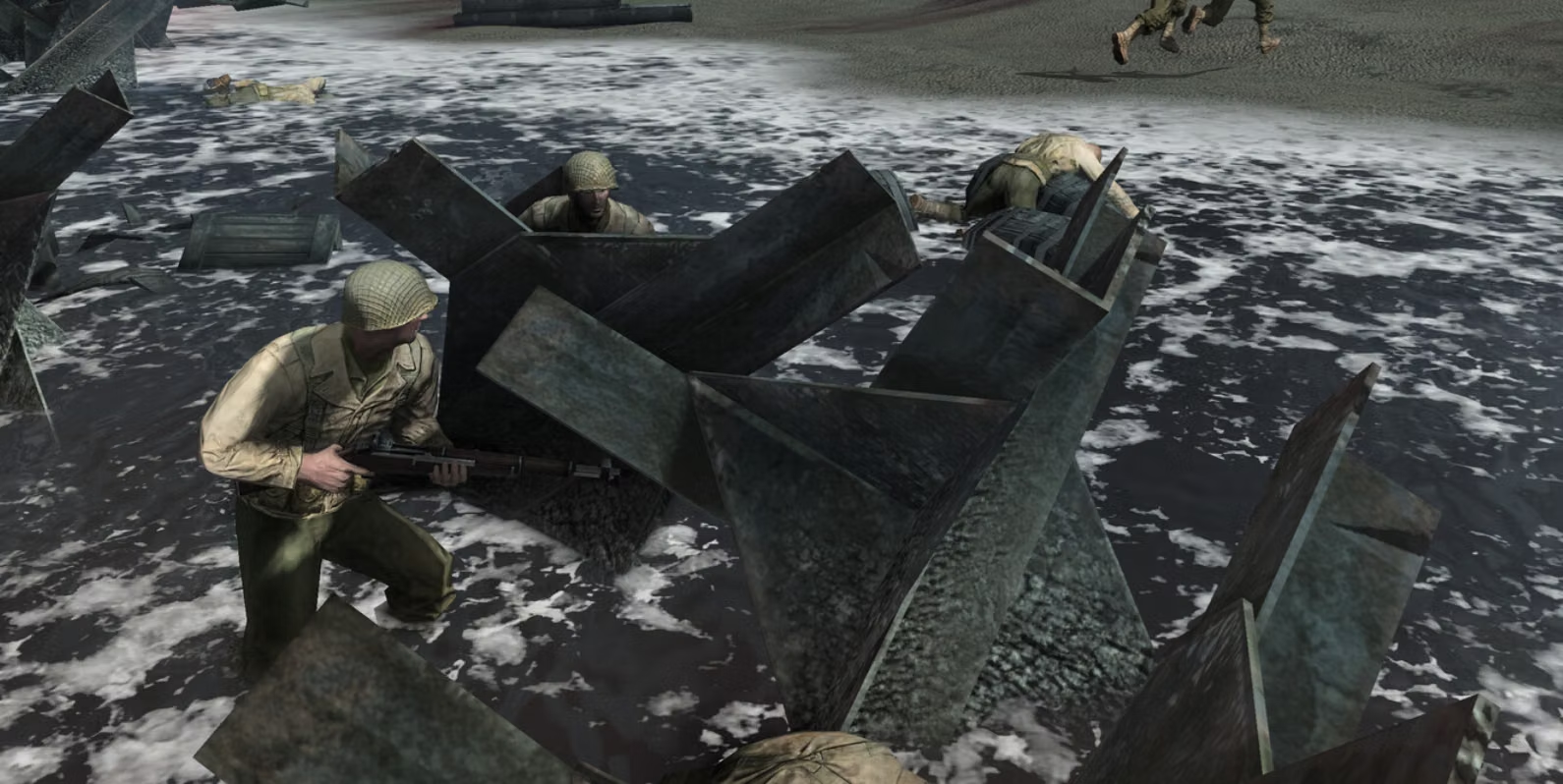
These additions made terrain and weather more important parts of tactical decision making, but some of the changes also divided players.
The 2014 Ardennes Assault expansion became another important step for the series. Its dynamic campaign map allowed you to choose where to move forces and which battles to fight. Decisions between missions could affect reinforcements and enemy positions.
That concept later influenced the much larger campaign planned for Company of Heroes 3.
Company of Heroes 3 became more ambitious than Relic could comfortably deliver
Relic wanted Company of Heroes 3 to build a larger strategic layer around its tactical battles.
The Italian campaign used a dynamic map and broader campaign structure, while individual RTS battles retained many of the systems associated with the franchise.
However, Relic CEO Justin Dowdeswell acknowledged that the studio attempted more than it could complete successfully within the available development schedule.
The tactical battles were received more positively than parts of the campaign, which faced criticism at launch.
The studio then went through a difficult period. Relic experienced major layoffs in 2023 and 2024, and many developers who had worked on the franchise left the company.
Relic also separated from Sega and returned to independent ownership.
An independent Relic is still supporting Company of Heroes
Despite those setbacks, Company of Heroes remains active.
Company of Heroes 3 recently received Final Stand, a wave based mode that gives players a more direct combat focused experience.
Relic also continues to support its existing games while evaluating what comes next.
The studio has not announced Company of Heroes 4 or confirmed what form the next major project will take. Dowdeswell has instead emphasized the responsibility that comes with independence.
Without a large publisher making major decisions above the studio, Relic now has greater control over its direction, but it also carries more responsibility for the financial and creative results of those choices.
For Company of Heroes, the immediate future appears to be focused on continued support rather than a rapid move to another numbered sequel.
Twenty years after the first game launched, the franchise has survived changes in ownership, major shifts in strategy game design, layoffs and uneven launches. Relic is now trying to preserve the systems that made Company of Heroes distinctive while operating with a smaller independent team.
The next major entry remains uncertain, but the studio says it is still in a position to support the series and continue developing around it.
Discussion (0)
Be the first to comment.