



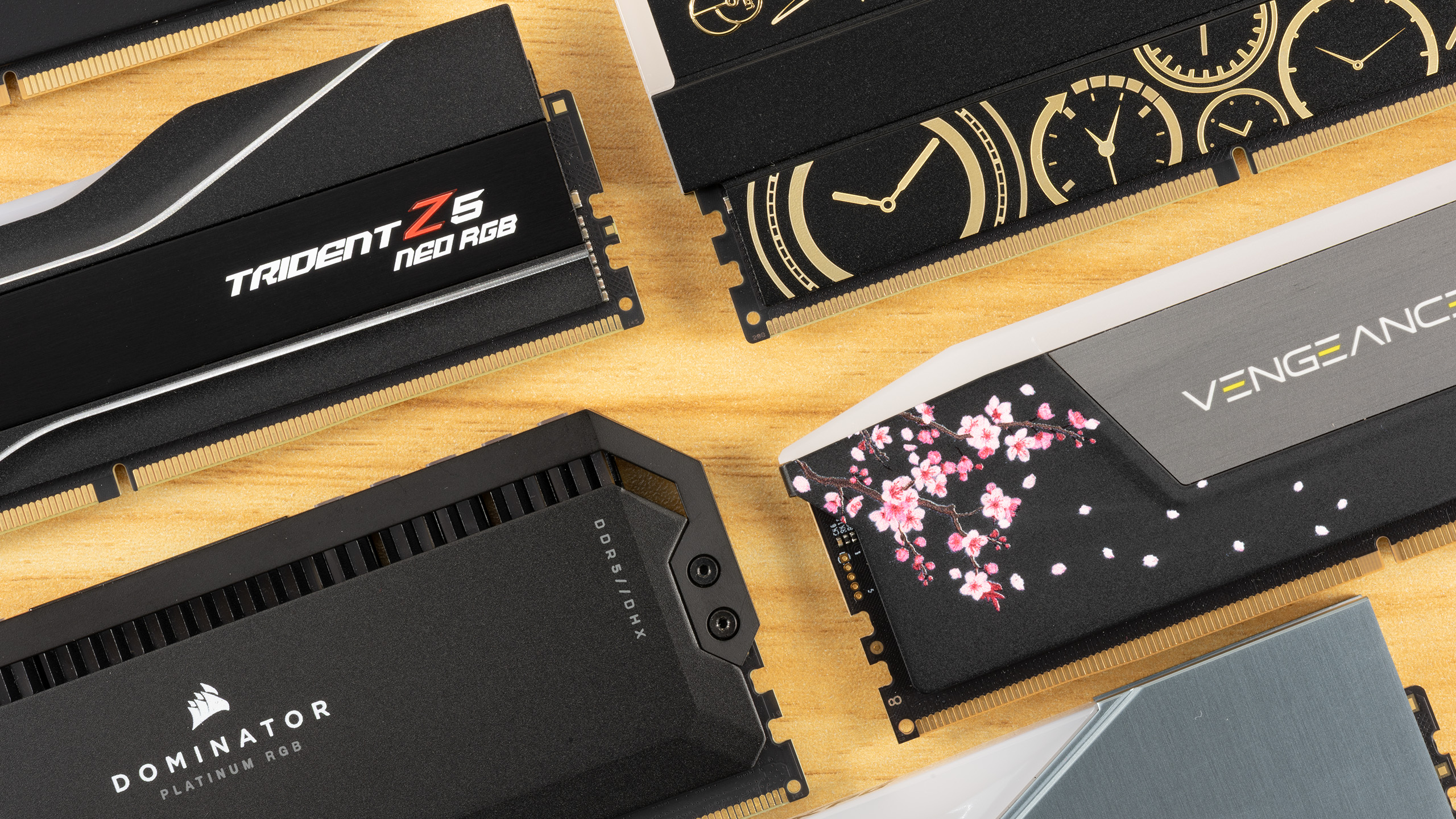
Chinese memory makers are moving faster in DDR5 development as global DRAM supply remains tight. ChangXin Memory Technologies, better known as CXMT, is leading the push with newer DDR5 chips and modules that are getting closer to the level of Samsung, SK Hynix, and Micron.
The timing matters because the memory market is under pressure from AI servers, enterprise systems, consumer PCs, and mobile devices. Demand has risen sharply, while the biggest memory companies have not been able to fully solve supply constraints. That has created an opening for Chinese suppliers to expand production and become more competitive.
CXMT has already shown DDR5 DRAM modules reaching 8000 MT/s, with 16Gb and 24Gb capacities. That is a notable step for China’s domestic memory industry, which has been trying to reduce dependence on foreign suppliers. While 32Gb DRAM is already appearing in consumer products, it remains expensive, so lower cost domestic DDR5 could become important for both China and wider global markets.
Other Chinese memory companies are also moving ahead. Jiahe Jinwei has been involved in DDR5 RDIMM products using domestic chips, including 64GB modules running at 5600 MT/s. These are aimed at enterprise and AI workloads, where memory capacity and supply stability are becoming major concerns.
| Area | Current development |
|---|---|
| Main Chinese DRAM company | CXMT |
| DDR5 speed reached | 8000 MT/s |
| DRAM capacities shown | 16Gb and 24Gb |
| Enterprise module example | 64GB DDR5 RDIMM at 5600 MT/s |
| Key demand drivers | AI, enterprise, consumer PCs, smartphones |
| Main competitors | Samsung, SK Hynix, and Micron |
This could also affect pricing. If Chinese DDR5 modules enter more markets in larger numbers, they may offer a cheaper alternative to mainstream memory brands. That would be especially important at a time when DRAM prices are rising and availability remains uncertain.
There is also movement in LPDDR memory. Samsung has reportedly stepped away from older LPDDR standards used in many entry level phones and PCs. That has given Chinese suppliers more room to increase LPDDR4 production, which has helped them gain revenue in recent months.
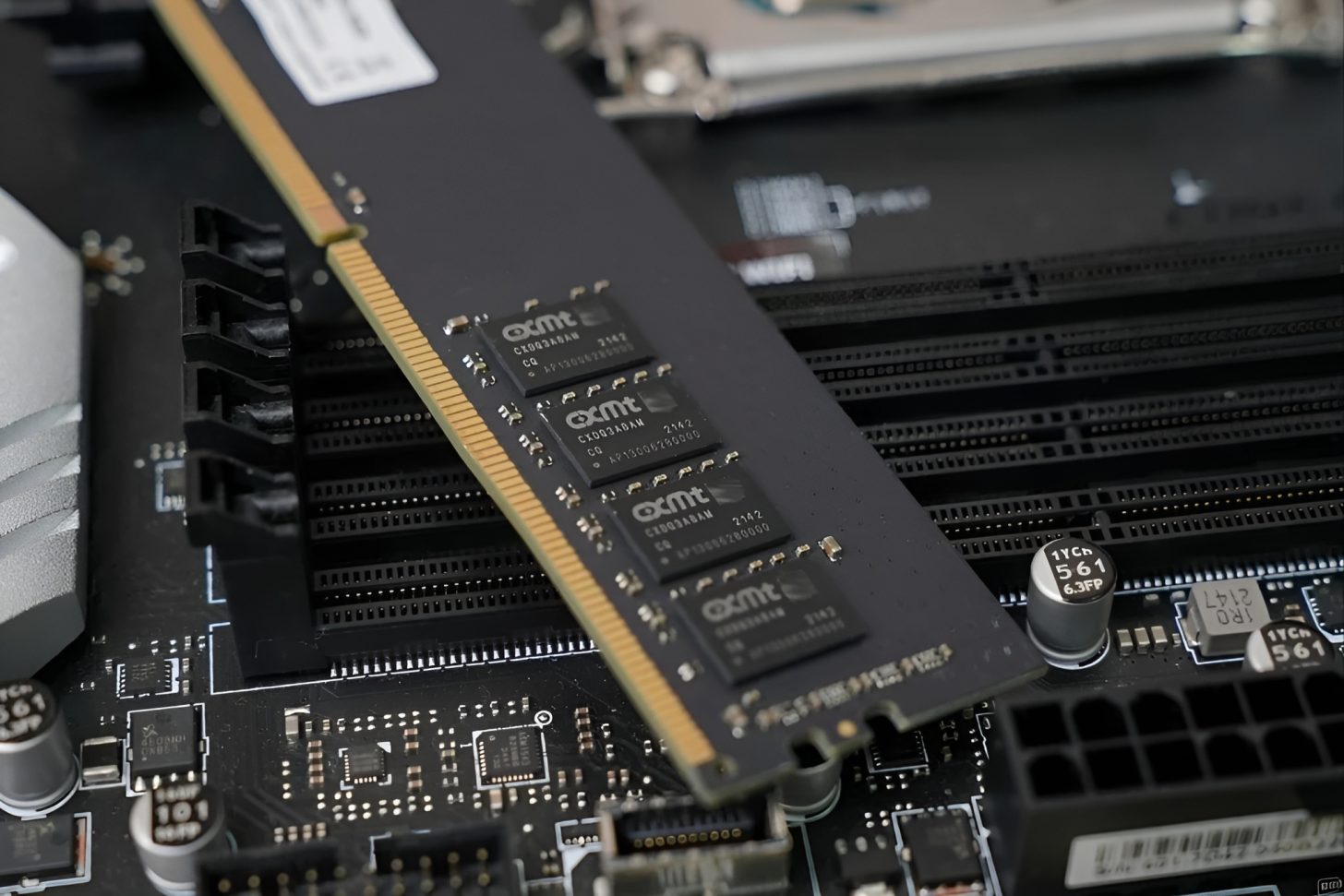
CXMT and YMTC are also investing heavily in expansion plans. The goal is to upgrade current production lines and prepare future factories. CXMT is reported to hold around 10 percent of the global DRAM market, and its faster production cycle could help it gain more share if demand stays high.
The bigger story is that China’s memory industry is becoming harder to ignore. For years, Samsung, SK Hynix, and Micron controlled the most important parts of the DRAM market. Now, supply pressure and faster Chinese development are giving companies like CXMT a chance to move closer to those leaders.
This does not mean China has fully caught up yet. Advanced memory production depends on yield, scale, reliability, pricing, and long term customer trust. But 8000 MT/s DDR5 is a strong signal that Chinese memory makers are no longer only competing at the low end.
If supply shortages continue, buyers may become more open to alternative DRAM sources. That could make CXMT and other Chinese suppliers more important in the global memory market over the next few years.
Discussion (0)
Be the first to comment.