



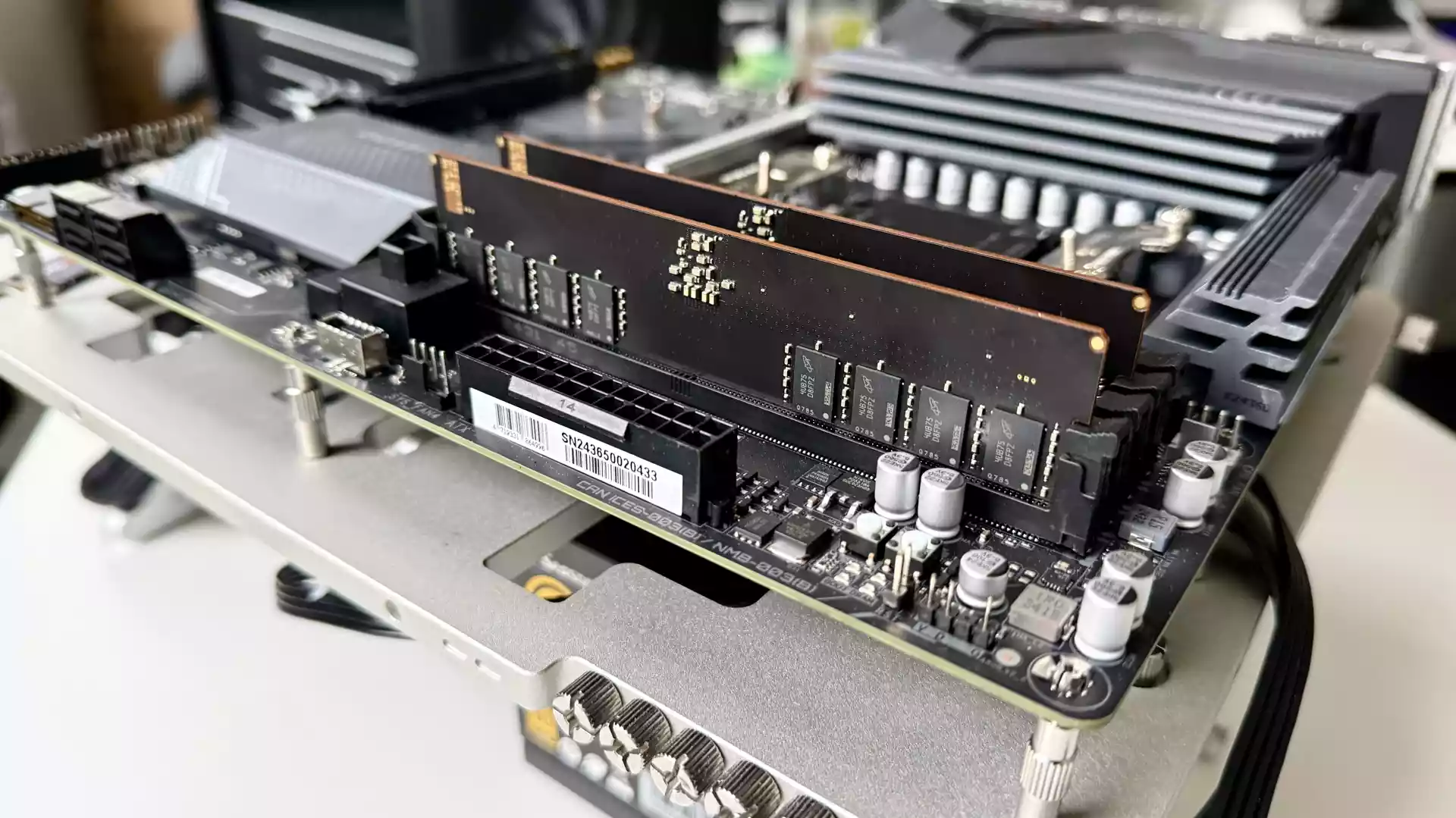
DDR5 memory prices have climbed sharply as AI demand continues to reshape the chip market, but a former Samsung executive believes relief could arrive next year. Kye hyun Kyung, an advisor to Samsung Electronics and former head of Samsung’s Device Solutions division, says aggressive memory investment from Chinese companies could push prices down in the second half of 2027.
The current problem comes from the AI boom. High bandwidth memory is in heavy demand because it is needed for advanced AI accelerators. As memory makers shift more capacity toward HBM, supply pressure has spilled into other memory segments, including DDR5.
That has made PC memory much more expensive. In Germany, DDR5 retail prices were reportedly up 414 percent in May compared with July 2025. The increase has affected the PC market, with companies such as Apple and Dell placing early orders to avoid even higher component costs later.
| Area | Current situation |
|---|---|
| Main cause | AI demand is pulling memory production toward HBM |
| Affected market | DDR5 prices have risen sharply |
| Reported price change | DDR5 prices in Germany up 414 percent since July 2025 |
| Possible relief | More Chinese DRAM production could increase supply |
| Expected timing | Second half of 2027 |
| Key Chinese player | ChangXin Memory Technologies |
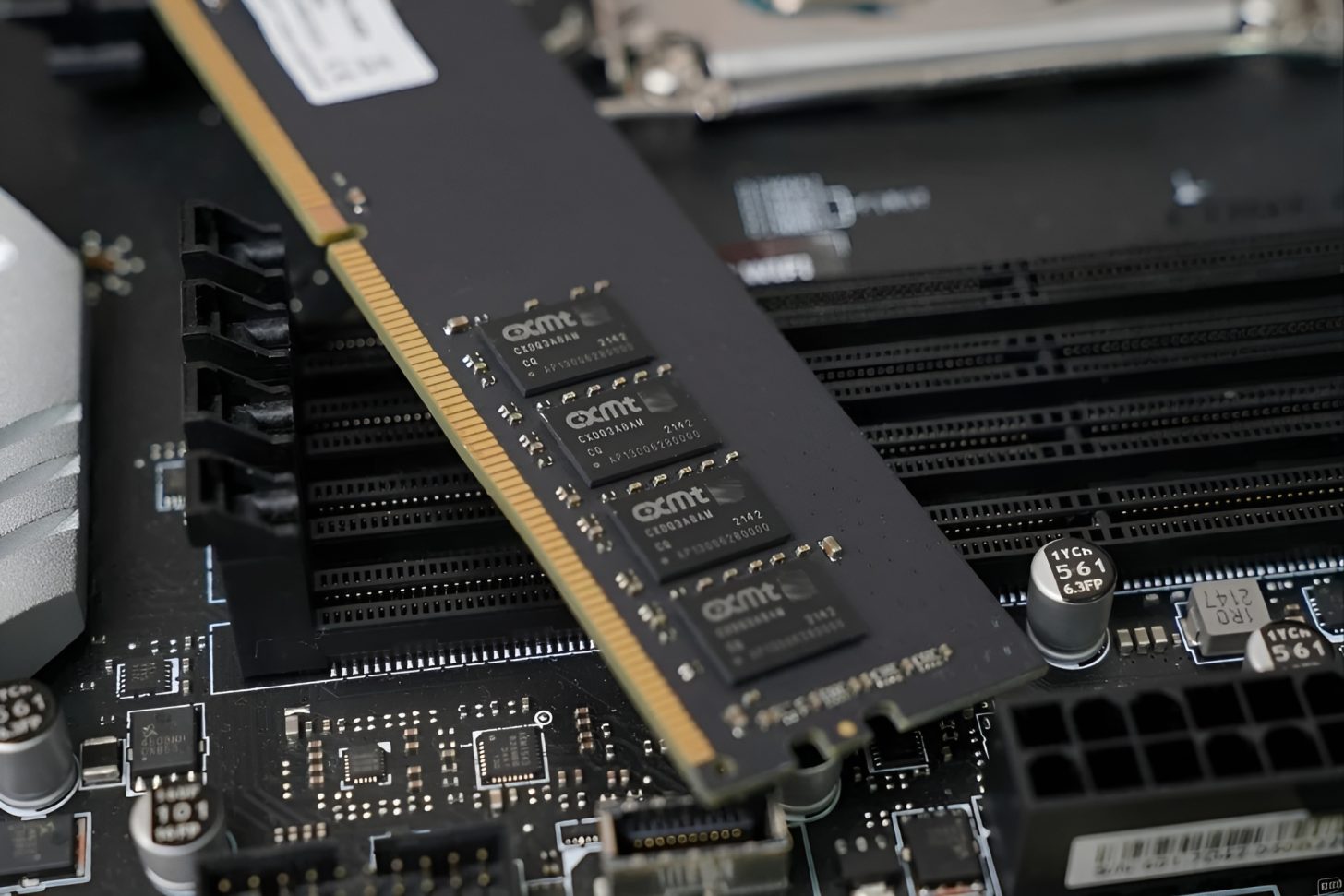
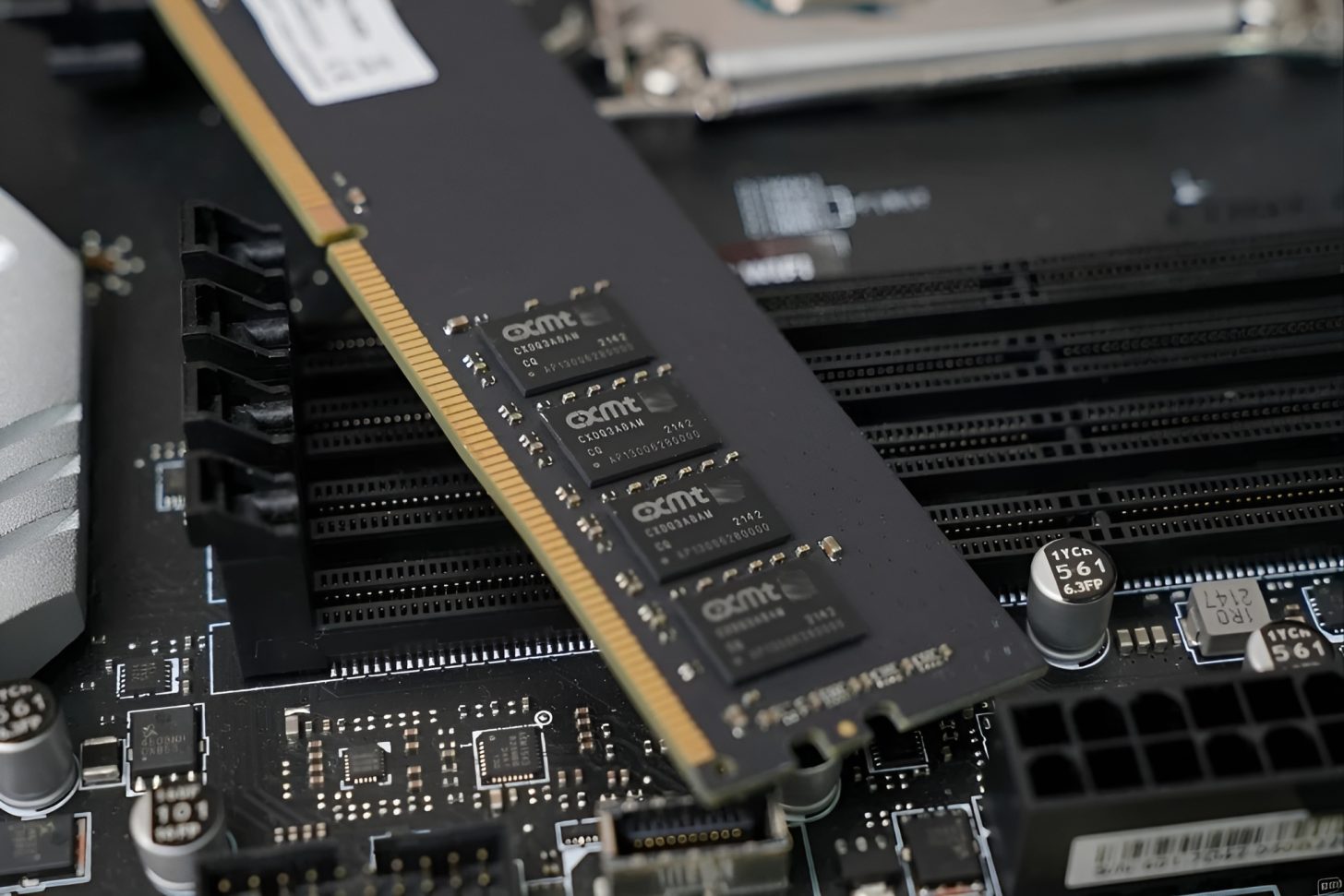
Kyung believes the memory market could change if Chinese companies succeed in expanding DRAM production. ChangXin Memory Technologies, also known as CXMT, is seen as the leading Chinese player in this space. Other companies, including Jiahe Jinwei, are also trying to increase their presence.
If those investments turn into real output, the market could see a supply surge. More supply would reduce pressure on DDR5 prices and could help bring memory costs back down for PC makers and consumers.
The forecast is not guaranteed. Kyung warned that memory investment depends partly on whether major tech companies continue to see strong returns from AI spending. If AI capital expenditure slows or companies become more cautious, memory production plans could change.
Still, the current shortage shows how connected the tech market has become. A rise in AI server demand can now affect the cost of normal PC parts. Even if HBM is the main memory used in AI accelerators, the production shift can tighten supply for DDR5 and other memory types.
The longer term question is whether China’s memory expansion will create enough competition to change pricing. If CXMT and other Chinese manufacturers scale successfully, Samsung, SK hynix, and Micron could face more pressure in mainstream DRAM markets.
For PC buyers, the message is mixed. DDR5 prices may remain painful in the near term, especially while AI hardware demand stays high. But if Chinese production ramps as expected, the second half of 2027 could bring lower prices and better availability.
The memory market has always moved in cycles. This time, AI demand is making the cycle more intense. China’s DRAM expansion may be the factor that eventually cools it down.
Discussion (0)
Be the first to comment.