



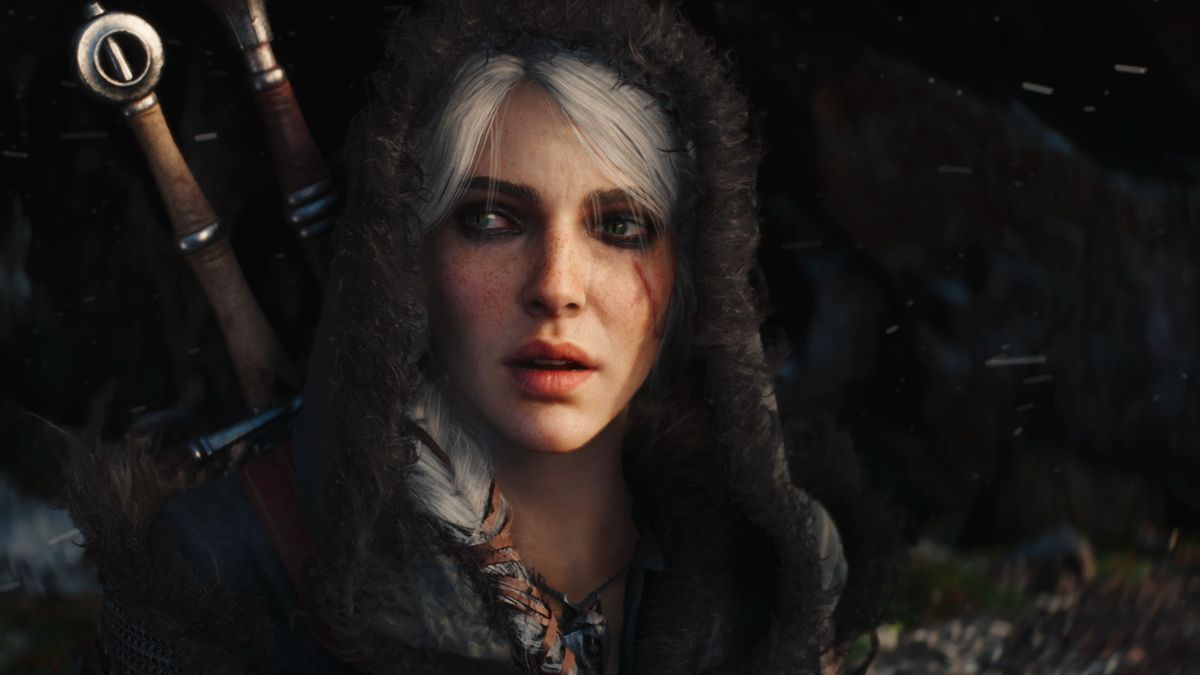
CD Projekt Red is trying to avoid the production problems that affected some of its past games by adding stricter internal requirements for The Witcher 4 and the next Cyberpunk game. The studio is now using a clearer definition of when work is truly “done,” with stronger documentation rules tied to project milestones.
The change matters because CD Projekt Red is under pressure to deliver clean launches for both major projects. The Witcher 3 is still widely seen as one of the strongest open world RPGs ever made, while Cyberpunk 2077 eventually recovered after major updates and expansions. Even so, Cyberpunk 2077’s launch problems remain a warning for players who want to see the studio avoid another troubled release.
CD Projekt Red now requires stronger documentation before teams can move past key milestones
During a presentation at Digital Dragons, senior technical writer Adrian Fulneczek said the studio has introduced new requirements, including a new definition of “done.” Technical writer team lead Jarosław Ruciński explained that every project milestone now has a strict gate, and documentation is part of what teams need to complete before passing that gate.
That was not always the case during development of older CD Projekt Red games. According to the report, weaker documentation contributed to development chaos on earlier projects, including The Witcher 3. The studio now wants future teams to have clearer information available at the right time so artists, coders, designers, and other developers can work faster and with fewer misunderstandings.
| Area | What CD Projekt Red is changing |
|---|---|
| Definition of done | Work must meet clearer internal requirements |
| Milestone gates | Projects must pass stricter checks |
| Documentation | Required before moving forward |
| Affected games | The Witcher 4 and the Cyberpunk 2077 sequel |
| Goal | Reduce production chaos and help teams work faster |
One useful example inside the studio is Gwent: The Witcher Card Game. Ruciński described it as CD Projekt Red’s best documented game, even though live service games change often and require constant updates. He said maintaining documentation costs time upfront, but it also lets new artists, coders, and designers contribute to tasks more quickly. In that sense, documentation is being treated as a way to speed development rather than slow it down.
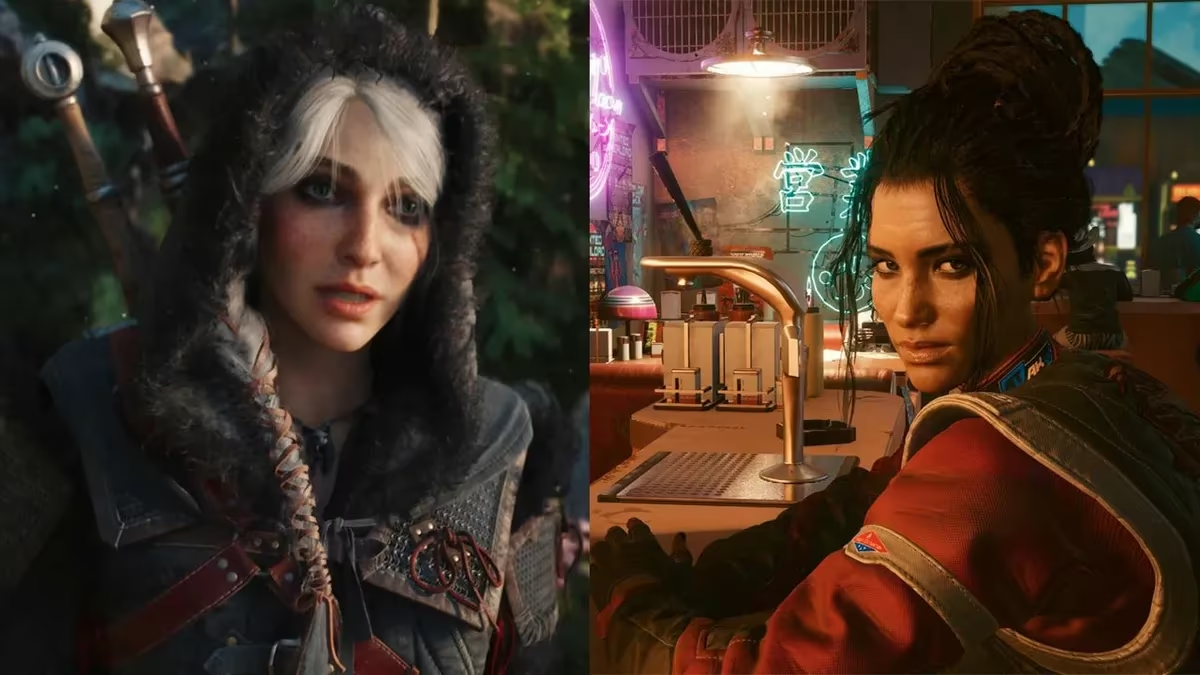
The approach is especially important for The Witcher 4 because expectations are high. The game was revealed at The Game Awards 2024, and CD Projekt Red later showed a technical demo highlighting how it plans to use newer hardware and tools. The studio has said little about the game since then, but it has made clear that the project is meant to respect The Witcher 3’s legacy rather than simply chase a bigger scale.
The next Cyberpunk game may benefit from the same process. Cyberpunk 2077 became a much stronger game over time, but its early state damaged trust. Better planning, clearer documentation, and stricter milestone checks may help CD Projekt Red avoid repeating that cycle.
These changes do not guarantee perfect launches. Large open world RPGs are complex, and both The Witcher 4 and the next Cyberpunk game will likely face technical and creative challenges. Still, CD Projekt Red appears to be addressing one of the less visible causes of development trouble: teams not always having clear, current, and reliable information while building massive games.



Discussion (0)
Be the first to comment.