



DJI drones are still legal to buy and fly in the US this Black Friday. The catch is finding one: on November 24, every drone on DJI's own US store was marked out of stock.
That gap between the law and the shelf is the whole story. The FCC rule that hit DJI in December 2025 blocks new models from reaching the US market, not the models already approved. It does nothing to the drone in your closet. What it changes is which DJI models exist here, how long they stay on sale, and what a sensible alternative costs.
Why DJI drones landed on the FCC Covered List in December 2025
The countdown started with section 1709 of the fiscal 2025 National Defense Authorization Act, signed on December 23, 2024. It named DJI and Autel Robotics and gave a national security agency one year to decide whether their equipment posed an unacceptable risk. If no agency ruled, the FCC had to list them anyway.
An interagency body convened by the White House went further. Its determination of December 21, 2025 said drones and their key parts "must be produced in the United States". A day later, the FCC added every foreign-made drone and drone component to its Covered List, along with all equipment named in section 1709.
Being "covered" means a product can no longer receive a new FCC equipment authorization, which most electronic devices need before they can be imported or sold. DJI asked the FCC to reconsider in January 2026 and also went to a federal appeals court. In a November 9 court filing, the government said the FCC had not yet ruled on DJI's request.
Can you still buy a DJI drone in the US this Black Friday?
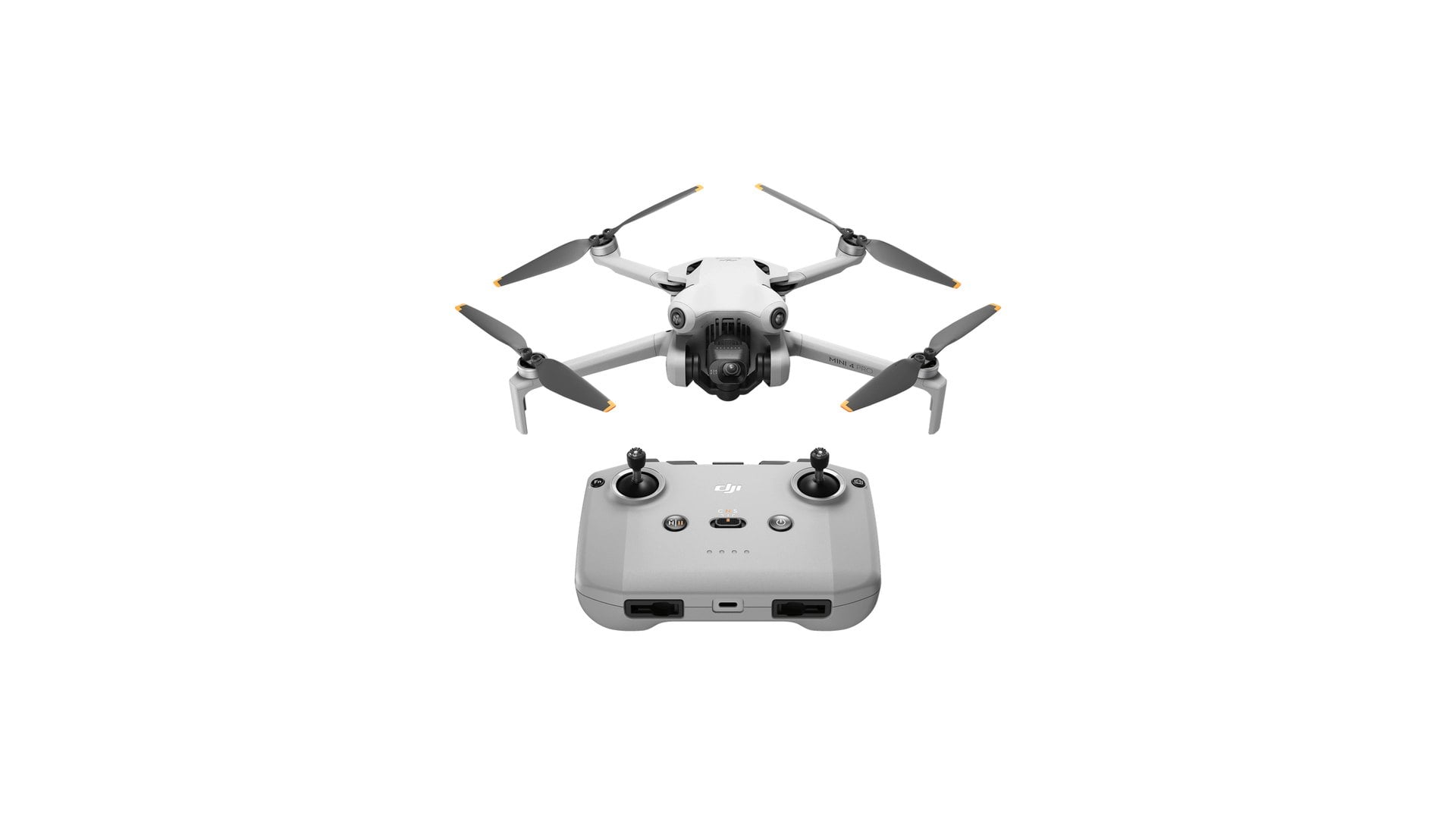
Legally, yes. The FCC's January 7, 2026 fact sheet says the listing does "not prohibit the import, sale, or use of any existing device models the FCC previously authorized". In plain terms, a model approved before December, such as the Mini 4 Pro, can still be shipped in and sold. A new foreign-built model cannot get that approval under the current list, so it cannot be sold here.
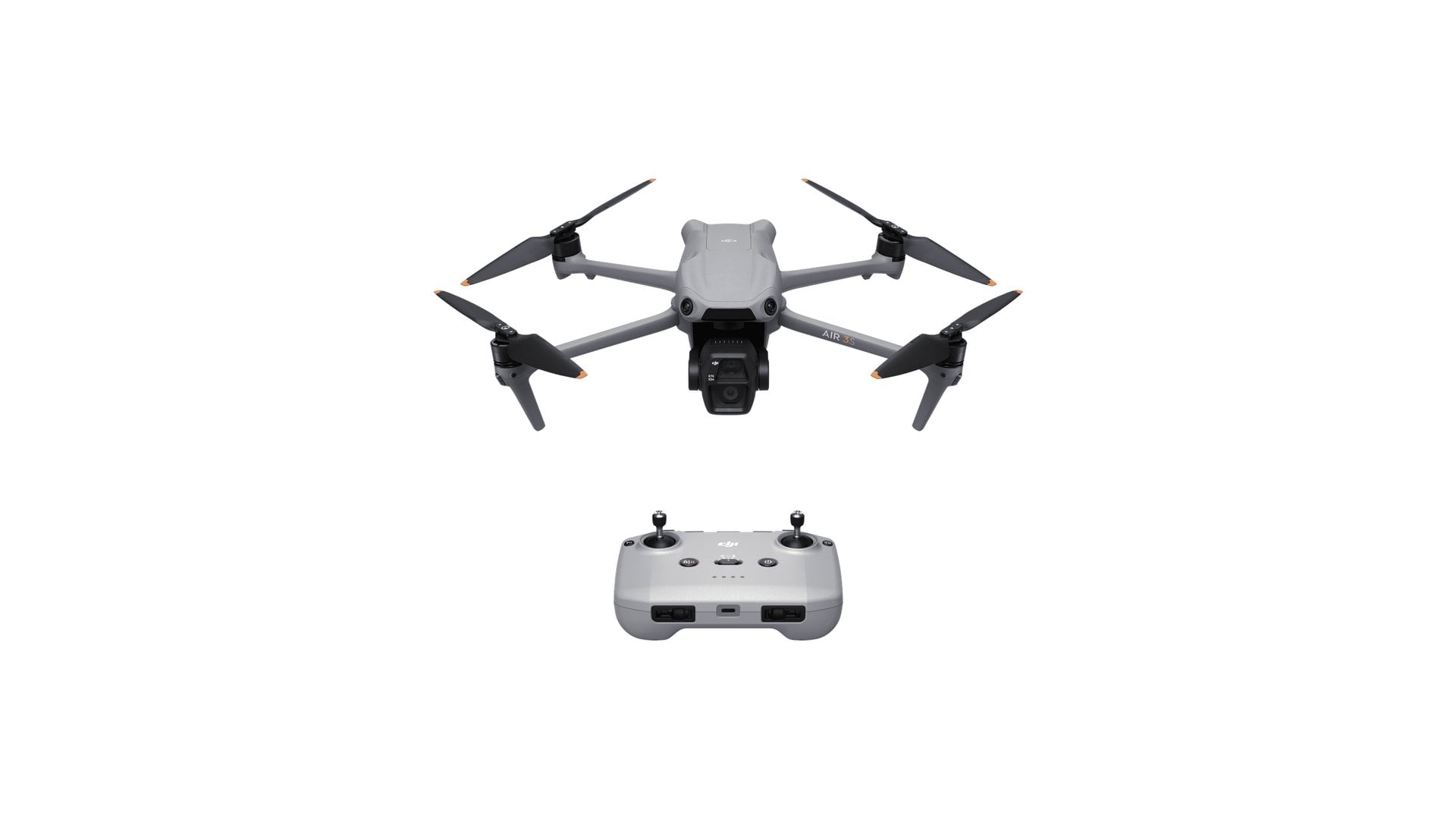
The practical answer is grimmer. DJI's US store lists the Mini 4 Pro at $759, the Air 3S at $1,099, the Flip at $439 and the Neo at $169. Every one of them was out of stock on November 24. All 32 products on the store's front page, gimbals and power stations included, carried the same label. The Avata 2 Fly More Combo shows a markdown to $849 from $1,087, which helps nobody when it cannot be ordered. DJI's US Black Friday event page simply says "This event has expired". It is the same picture as when GoPro and Insta360 cut prices for Black Friday and DJI sat it out.
So any DJI drone you buy this season will come from a retailer's remaining stock. That is lawful, as long as it is a US-market unit the FCC already approved. Importing a newer model from abroad is a different matter. Asked whether an unapproved covered drone bought outside the US can be flown here, the FCC says "the general answer is 'no'".
Two pending FCC proposals could stop some DJI drone sales
The ground could still shift before the next holiday season. On July 21, the FCC proposed banning further imports and sales of previously approved foreign drones it calls "military-grade". The list covers drones with thermal cameras, crop-spraying drones, docking stations, aircraft of 55 pounds or more, and drones that "contain or integrate sensors capable of Light Detection and Ranging (LiDAR)".
That last item matters to hobbyists. The Air 3S, by DJI's own description, uses "forward-facing LiDAR" for obstacle sensing at night, so it appears to fit the wording as proposed. DJI warned in an August 7 post on its policy blog that the same models in use today "might no longer be available to purchase in the future".
A second track names ten other companies, including Anzu Robotics, whose already-approved drones the FCC also wants off the market. As of November 24, none of these proposals had been finalized in the Federal Register, and every one of them states that drones people already bought could keep flying.
What the FCC rules mean for a DJI drone you already own
If a DJI drone is already in your closet, nothing in the Covered List grounds it. The FCC says consumers "can continue to use the devices they lawfully purchased." Software matters too, because a drone that stops getting updates ages fast. An FCC waiver lets previously approved foreign drones keep receiving software and firmware updates until at least January 1, 2029, as long as those updates "mitigate harm to U.S. consumers".
The flying rules come from the FAA, and the FCC says its list is independent of them. According to the FAA's guidance for recreational flyers, you must register a drone that weighs 250 grams or more, pass the free TRUST test and carry proof of it. A registered drone must also broadcast Remote ID. The Mini 4 Pro stays under 249 grams with its standard battery. DJI notes it weighs more than that with the larger Plus battery, so weigh your exact setup before skipping registration.
Black Friday drone alternatives if DJI is sold out
The ban on new approvals turns on where a drone is built, not whose logo is on it, so this is not a DJI-only problem. Any camera drone a maker can lawfully sell in the US needs an FCC approval first, whichever brand is on the box.
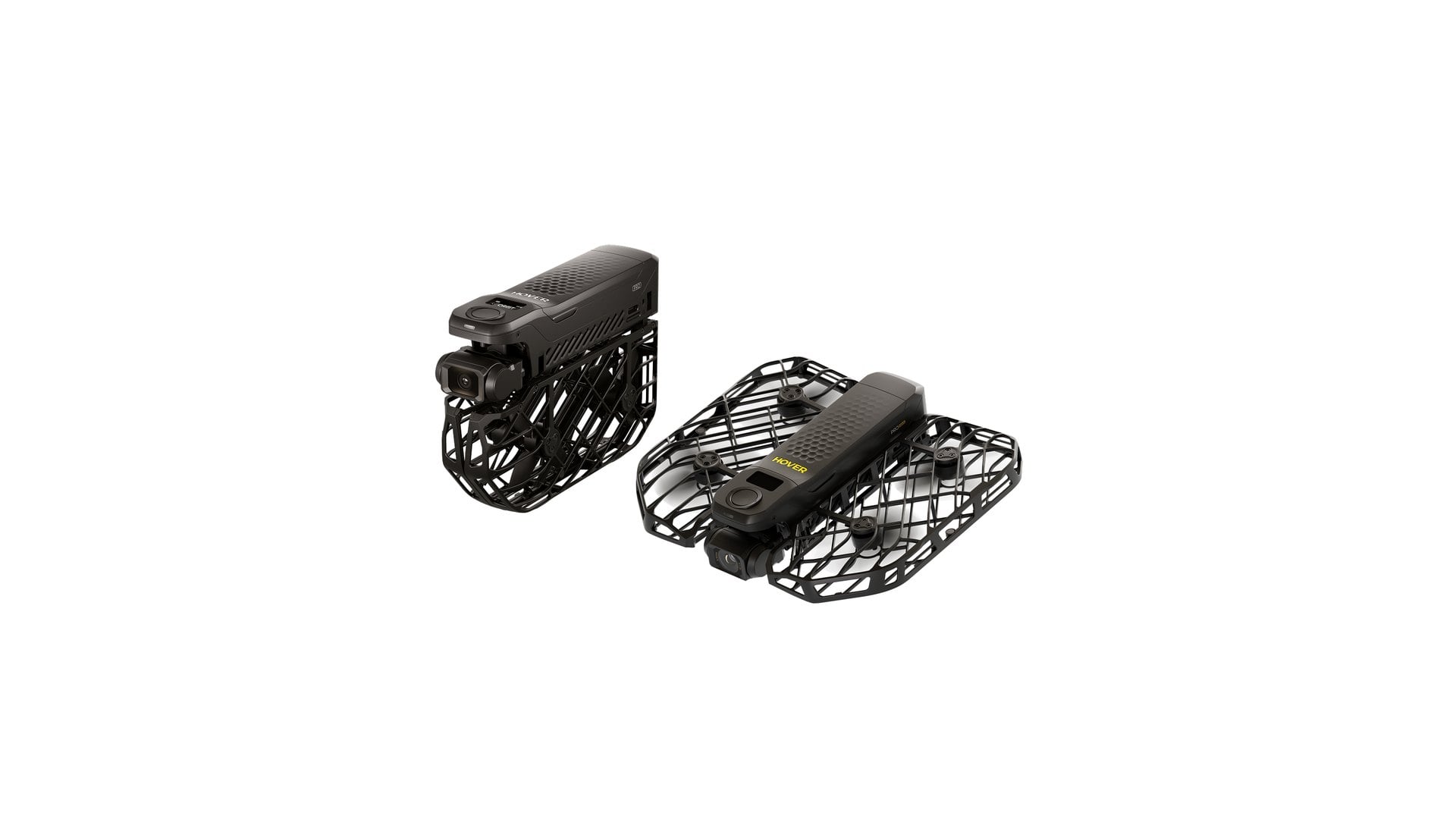
The clearest Black Friday deal is on HOVERAir's US store, which runs its sale from November 17 to 30 (Pacific time). The basic HOVERAir X1 in its FlyMax Bundle is $319, down $80 from $399. The X1 PROMAX All-in-one Bundle is $1,055 instead of $1,319, and the PROMAX Controller and Cycling Bundle is $919 instead of $1,149. Those crossed-out prices match what the same bundles cost in mid-November, so the savings are real. The X1 PRO Standard stays at $499.
HOVERAir pitches the X1 as a foldable, hands-free camera drone that fits in a pocket, and the PRO models as cameras that follow you. If you wanted a Mini mainly to film yourself on trips, that is the job these do. Skydio, the American maker behind the police drones now flying 911 calls in Knoxville, sells to first responders and inspection teams. It is not a Black Friday option for hobbyists.
Which drone to buy for Black Friday 2026, by situation
Buy a DJI Mini 4 Pro, Flip or Neo if a retailer still has a sealed US unit at a fair price. It is legal to own, legal to fly once you follow FAA rules, and the FCC allows firmware updates for it until at least 2029.
Think harder about an Air 3S. It is legal now, but it is the only drone in this guide that DJI describes as carrying LiDAR. That puts it in the path of the proposal, which would stop future sales rather than your right to fly it. Buy a HOVERAir X1 if you mostly want hands-free video of yourself and would rather pay $319 than hunt for DJI stock. If you are still new to how a drone works, a cheaper first aircraft is the lower-risk bet either way.
One check before you pay: look for the FCC ID on the box or listing and confirm it is a US-market unit, not a grey import. The next things to watch are the FCC's decision on the military-grade proposal and its answer to DJI's request to reconsider. Either could change what is on shelves by Black Friday 2027.

Discussion (0)
Be the first to comment.