



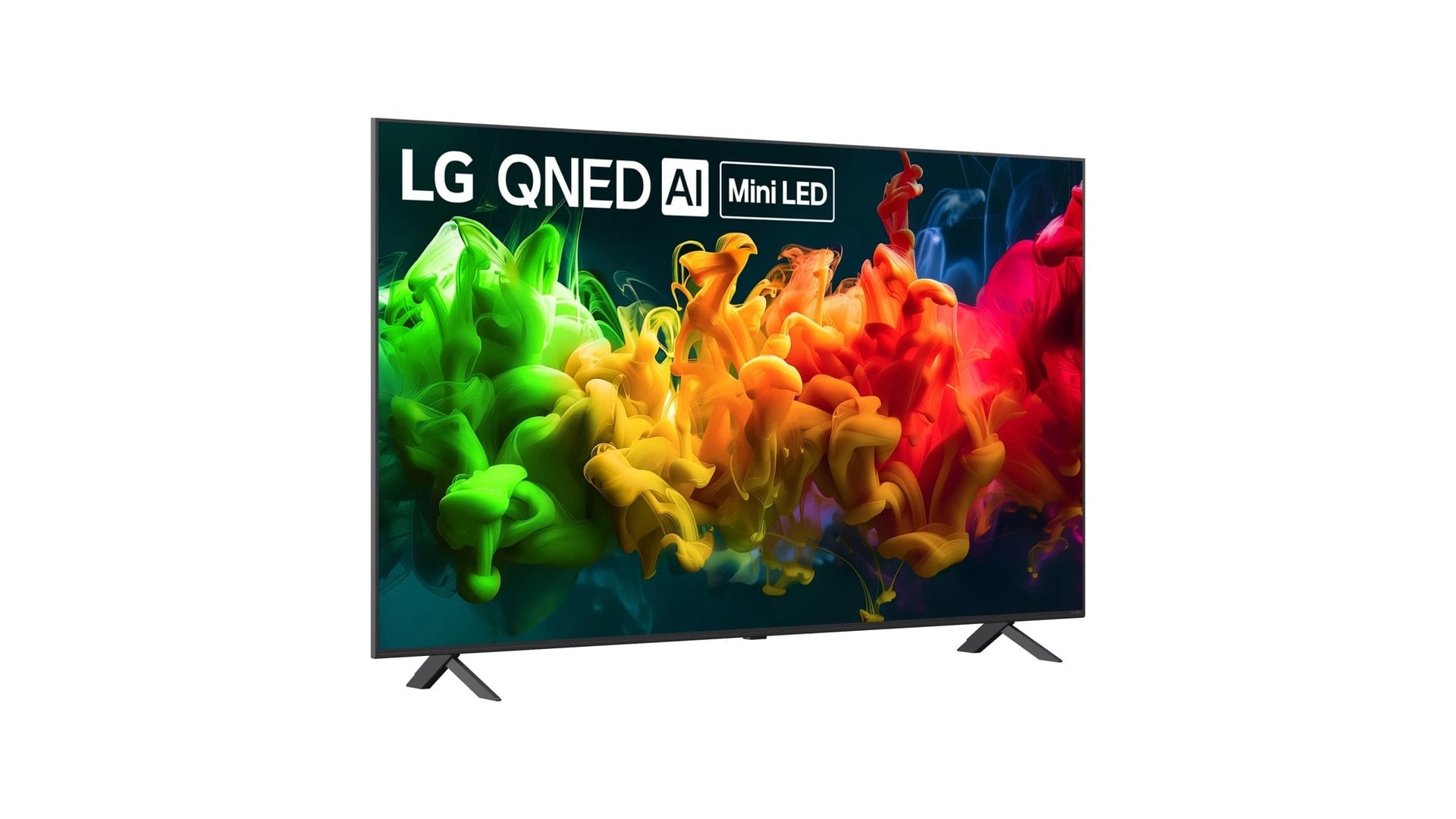
Two 65-inch LG Mini LED TVs differ by one digit in their model numbers and by $200 in LG's own store: the QNED84B is $549.99 and the QNED85B is $749.99, as of November 24.
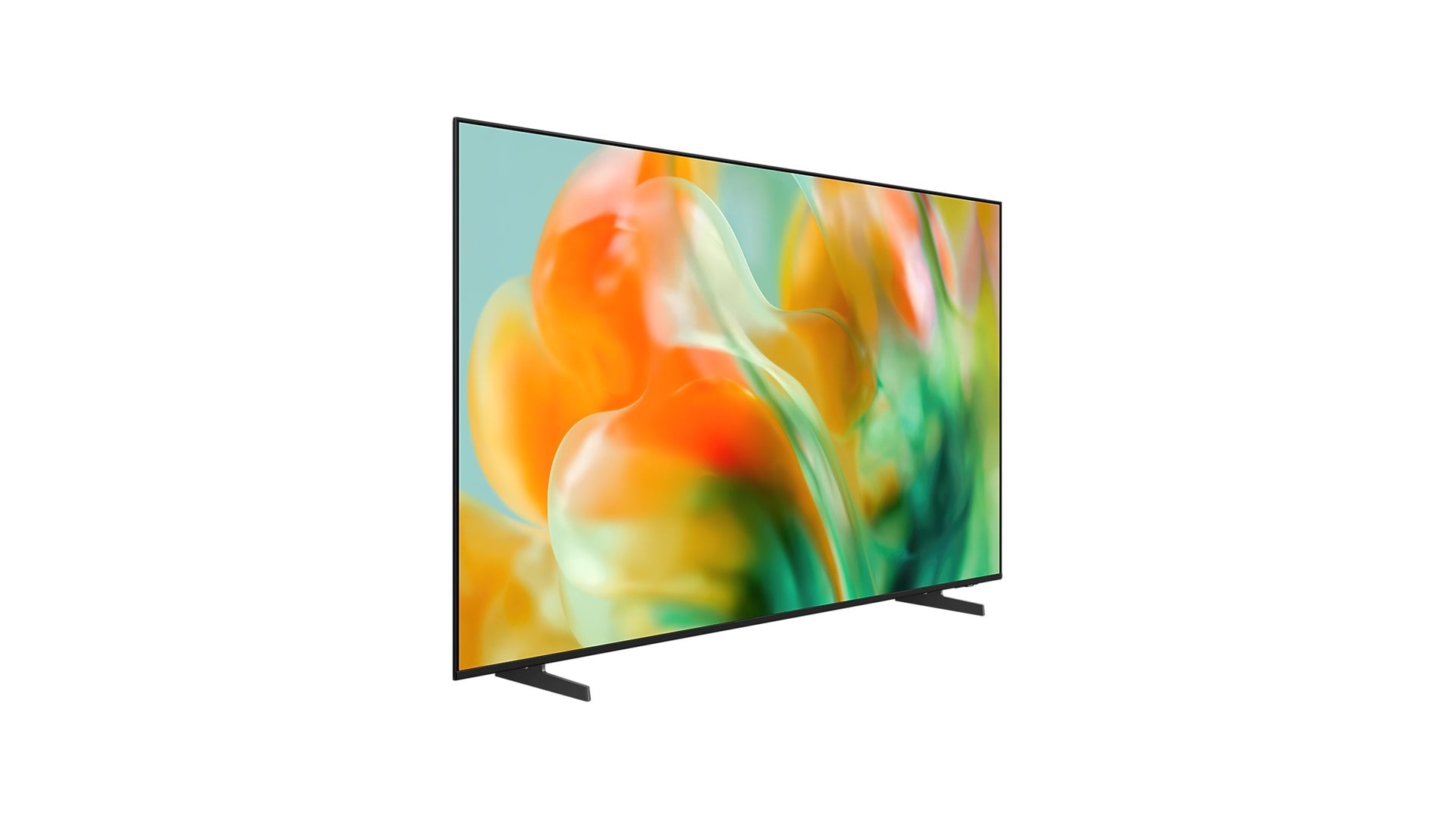
That gap is the puzzle behind plenty of doorbuster TVs. A cheaper set with a near-identical name can be the same TV sold another way, or a quietly trimmed one. The maker's own spec sheet settles it, and a handful of rows do most of the work.
Why Black Friday TVs carry model numbers that differ by one letter
TV makers often sell several versions of one series, split by software platform, by where they are sold or by price. An extra letter or a changed digit is often the only outward sign, while the series name stays the same.
Sometimes the suffix just names the software. The Hisense 65U7SG is the Google TV version of its 65-inch U7 Mini LED set, and the 65U7SF is the Fire TV version, going by the product titles on Hisense's US site. Samsung's D models, such as the M80HD and S90HD, get their own product pages, yet Samsung.com shows no price for them and does not sell them itself.
Other times the new number hides a real cut. Putting both spec sheets side by side is the only way to know which case you are looking at.
LG QNED84B vs QNED85B: what one digit costs on the spec sheet
On paper, the two 65-inch LG sets share a lot. Both are 4K Mini LED TVs with a 120Hz native panel, variable refresh up to 144Hz and the α8 AI Processor 4K Gen3, according to LG's spec pages for the QNED84B and the QNED85B. Every HDMI port on both handles 4K at 120Hz, and both run webOS 26.
The differences sit lower down the sheet. The QNED85B supports Dolby Vision, while the QNED84B lists only HDR10 and HLG, which matters if much of what you stream is in Dolby Vision. The QNED85B also adds Precision Dimming, a fourth HDMI input, a second USB port and Dolby Atmos FlexConnect.
Two smaller details stand out. The QNED84B is 2.7 inches deep against 1.2 inches for the QNED85B, and its power rating is 174 watts against 143 watts. Even the screens differ slightly, with a 64.5-inch diagonal on the QNED84B and 65.1 inches on the QNED85B.
So the extra $200 buys Dolby Vision, Precision Dimming, one more HDMI port and a slimmer set rated at 31 fewer watts. If you plug in one console and stream mostly in HDR10, the QNED84B gives up little you would notice day to day. Amazon also sells the 65-inch QNED84B; check Amazon's current price. At 75 inches the gap narrows to $150, at $799.99 versus $949.99.
Samsung M80H vs M80HD: when the extra letter changes nothing listed
Samsung's M80HD is the opposite case, a twin that looks like the same TV. Its product page lists the same four headline features as the M80H: Mini LED with AI Mode, Motion Xcelerator 144Hz, Pure Spectrum Color and Auto HDR Remastering. Both name the NQ4 AI Gen2 Processor and the same 144Hz gaming mode, with a 240Hz DLG option reserved for PCs at reduced resolution.
The real difference is where you can buy them. Samsung sells the 65-inch M80H for $499.99, down from a $699.99 list price, but its M80HD pages carry no price at all. The OLED pair works the same way. The S90HD page shares the S90H's Glare Free screen, NQ4 AI Gen3 Processor and 4K 165Hz gaming, yet only the S90H has a Samsung.com price, $1,399.99 for 65 inches.
That makes the test simple. If a store's M80HD costs less than the M80H's $499.99 at Samsung, nothing on the feature list says you should pay more for the plain M80H. If it costs more, buy the M80H. The 55-inch M80H is $399.99 at Samsung, and Amazon also sells it; check Amazon's current price.
Samsung U8000H vs U7900H and the 120Hz label on cheap 4K TVs
The cheapest pair shows a different trap. Samsung's 75-inch U7900H is $399.99 and the 75-inch U8000H is $449.99, and both pages advertise 120Hz. The U7900H page says its panel supports "up to 60Hz". Both sets reach 120Hz through a mode called DLG, and Samsung warns that it "will reduce image sharpness" on either set.
That is a different thing from a 120Hz panel. If 120 frames per second on a PS5 or Xbox Series X matters to you, look for "120Hz native" on the sheet, as on both LG QNED sets. The U8000H's extra $50 buys sound instead: a Dynamic Sound Pack with Adaptive Sound and Q-Symphony, which lets the TV speakers work alongside a compatible Samsung soundbar.
The U7900H page lists neither feature, and the set was out of stock at Samsung.com as of November 24. Amazon sells the 75-inch U8000H; check Amazon's current price.
Five spec sheet rows to check before buying a Black Friday TV
Start with the backlight or panel row. Mini LED, OLED and plain LED are different tiers, and the differences between QLED, Mini LED and OLED decide how a set copes with a sunny lounge or a dark movie room.
Next, the refresh rate. A figure marked native is the panel's real speed, while a number tied to DLG trades sharpness for smoothness. Then look for a dimming row or a zone count, because local dimming zones are what keep blacks black at night. If the cheaper twin's sheet drops that row, ask why before you pay.
Count the HDMI inputs and check that each one handles 4K at 120Hz. A console, a streaming stick and a soundbar on eARC already fill three ports, and the cable you plug in matters too. Last, compare the processor and the HDR formats, since a missing Dolby Vision entry is exactly what splits the two LG sets.
The rule that falls out is short. Buy the cheaper twin when its sheet matches row for row and the price is lower, as with Samsung's M80HD against the M80H. Pay for the better number when the missing row is one you will use, such as Dolby Vision for a movie room or a fourth HDMI port for a crowded TV stand.
Before checkout, match the model number on the store listing to the maker page you compared, and keep the receipt. If the twin turns out to be the wrong one, the return and price-match rules at Amazon, Best Buy, Target and Walmart decide how easily you can swap it. Prices can change at any time during the sale.
Digital Citizen may earn a commission when you buy through links in this article. As an Amazon Associate, we earn from qualifying purchases.


Discussion (0)
Be the first to comment.