



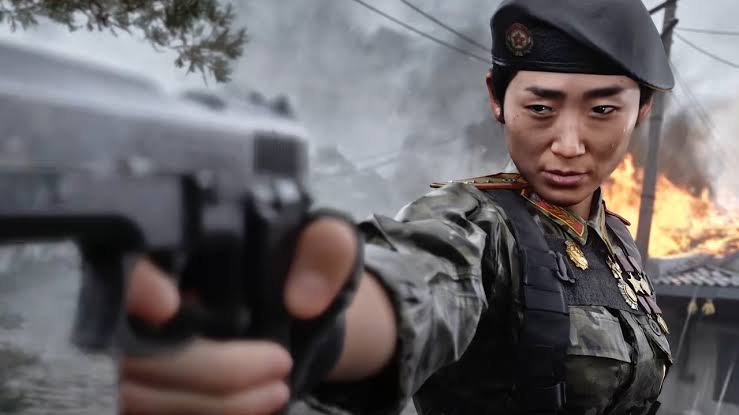
Call of Duty is finally coming to Nintendo hardware through Modern Warfare 4, more than three years after Microsoft and Nintendo signed a 10 year agreement to bring the franchise to Nintendo platforms.
Early hands on impressions of the Switch 2 version suggest the port is playable and generally stable, but the visual tradeoffs are significant. The developers appear to have prioritized frame rate over image quality, especially in multiplayer.
Modern Warfare 4 is scheduled to launch on October 23, 2026.
Switch 2 multiplayer targets 60 FPS
The Switch 2 version reportedly aims for 60 FPS in docked multiplayer and manages to stay near that target much of the time.
Performance is not perfect, however.
Frame rate drops and hitching can appear when several players are fighting in the same area or when the scene becomes more demanding.
| Switch 2 aspect | Early impression |
|---|---|
| Multiplayer target | Around 60 FPS |
| Docked performance | Mostly stable with some dips |
| Image quality | Low base resolution |
| Upscaling | DLSS reportedly used |
| Artifacting | Heavy in motion and around models |
| Handheld mode | Looks better on smaller display |
| Campaign | Appears to target 30 FPS |
| Cross play | Final implementation unclear |
The biggest complaint is not performance itself, but image clarity.
DLSS image quality appears to be the main weakness
Early testers reported visible artifacting around characters, weapons, buildings, and other objects.
The issue becomes more noticeable while sprinting or moving the camera quickly.
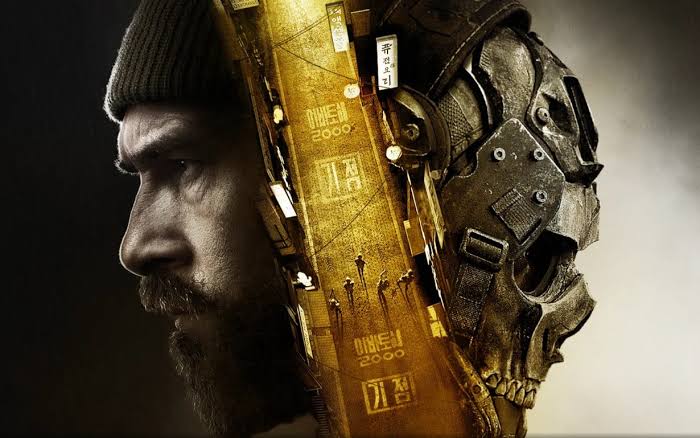
The game reportedly uses the Switch 2's integrated DLSS support, but the current implementation is being criticized for producing a soft and unstable image.
That creates a difficult tradeoff.
The Switch 2 version can maintain a relatively high frame rate for a portable console, but distant enemies can be harder to identify because of the reduced resolution and reconstruction artifacts.
For a competitive shooter, that can directly affect gameplay rather than being only a visual problem.
Handheld mode may hide some of the resolution problems
Interestingly, impressions suggest the game can feel better in handheld mode.
The smaller Switch 2 screen makes the lower resolution less obvious, while one tester also felt frame pacing was smoother.
It is unclear whether that improvement is connected to the handheld display's variable refresh rate support.
The basic visual limitations remain, but they may be easier to tolerate on a smaller screen than on a television.
Joy Con controls may be a disadvantage
The Joy Con sticks were another concern.
Their limited travel can make precise aiming more difficult in a fast multiplayer shooter.
Players who want better control may prefer using a Pro Controller, including when playing in tabletop mode.
Mouse mode appears more promising.
One early tester used it against PC players in a shared multiplayer environment and found the experience responsive enough to be competitive.
The main limitation was still image quality, particularly when trying to identify enemies at long distances.
Campaign performance appears more demanding
A short look at the campaign suggested a different performance profile from multiplayer.
The campaign reportedly runs closer to 30 FPS and uses that lower frame rate to improve image quality.
Visual artifacting is said to be reduced compared with multiplayer, but traversal stutters were more noticeable in the larger, AI heavy environment.
That suggests the final game may use different performance priorities depending on the mode.
Multiplayer favors responsiveness, while campaign may sacrifice frame rate for sharper presentation.
Cross play could become a competitive issue
The Switch 2 version's lower resolution may matter most if full cross play remains enabled.
PC, PlayStation, and Xbox players can access clearer visuals and higher frame rate modes, including 120 Hz options that are not available on Switch 2.
If distant player models are harder to see on Nintendo's hardware, Switch 2 players could face a meaningful disadvantage in competitive matches.
That does not make cross play impossible, but it may force the developers to think carefully about matchmaking and platform options.
The port still has time to improve
These impressions are based on an early build rather than the final release.
A quality mode that trades some frame rate for sharper resolution could help address one of the main criticisms, especially for players who prioritize image clarity.
The current version already demonstrates that Modern Warfare 4 can run at close to 60 FPS on Switch 2 multiplayer, which is important for the franchise's first return to Nintendo hardware under Microsoft's agreement.
The question is whether the developers can improve reconstruction quality enough before launch to prevent the low resolution and artifacting from becoming a serious competitive problem.



Discussion (0)
Be the first to comment.