



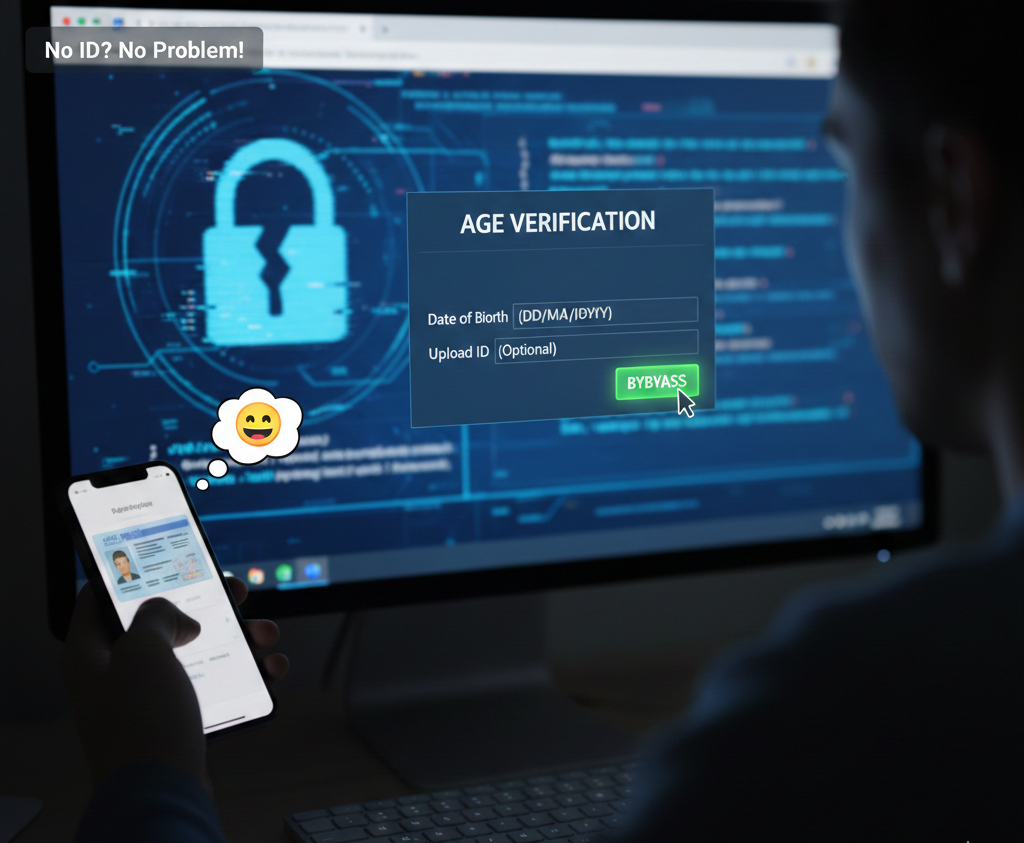
Age restrictions are becoming increasingly common across the web. Many platforms now require users to verify their age before accessing content, often by submitting government-issued ID or completing identity checks. While these systems aim to protect minors, they sometimes block legitimate adult users or require sharing sensitive personal data.
This guide explains how website age verification works, why users get blocked, and what options exist if you’re incorrectly flagged or uncomfortable submitting identification.
Why Websites Use Age Verification
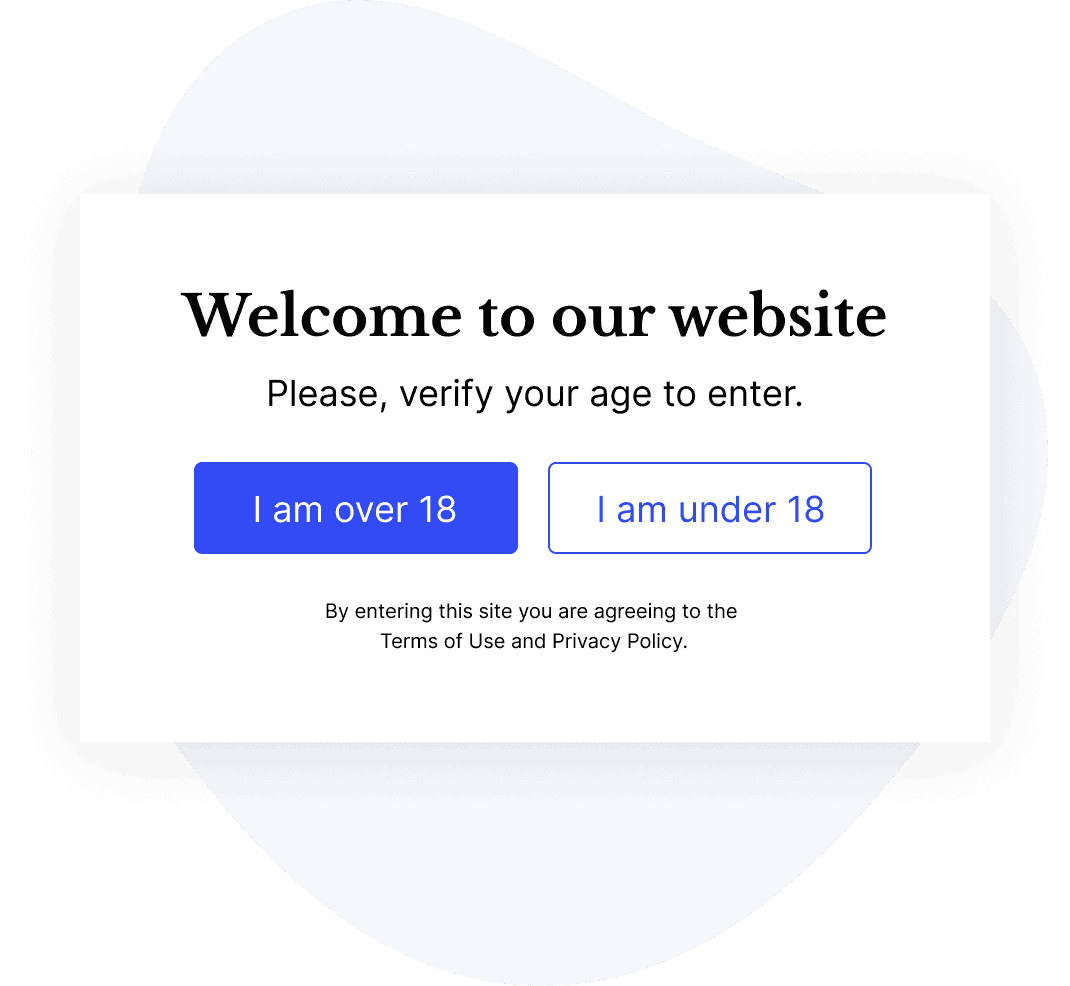
Age verification systems are designed to restrict access to content deemed unsuitable for minors. Governments and regulators increasingly require platforms to confirm a user’s age, especially for video platforms, social networks, and search services.
Common age checks include location-based rules, account behavior analysis, and ID or biometric verification.
Common Reasons Users Get Blocked

Many adults encounter age restrictions even when they meet legal requirements. This usually happens due to automated systems making incorrect assumptions.
- Account activity triggers automated age-detection systems
- Regional laws enforce mandatory verification
- Cookies or cached data indicate a restricted location
- DNS or IP location conflicts with account information
Method One: Using A VPN To Change Location Signals

Some age verification systems activate only in specific regions. A VPN changes your apparent location, which may prevent regional age checks from triggering.
- Install a reputable VPN app on your device
- Connect to a region where age verification is not enforced
- Clear browser cookies and cached site data
- Disable GPS location access if applicable
- Reload the website and sign in again
This method may fail on platforms that detect VPN usage or rely on account-based verification.
Method Two: Using DNS-Based Filtering To Avoid Age Checks
DNS-based tools work differently from VPNs. Instead of rerouting traffic, they alter how domain requests are resolved, which can prevent certain verification prompts.
- Create a DNS profile that supports age-verification filtering
- Enable any available age-check bypass or masking option
- Apply the DNS configuration to your device or browser
- Restart your browser or device
- Revisit the restricted website
This approach is often faster than VPNs but may not work on services that require direct ID uploads.
Troubleshooting Common Problems
If age restrictions still appear, the issue is usually related to stored data or conflicting signals.
- Clear cookies, cache, and site permissions
- Sign out and back into your account
- Disable browser extensions that expose location data
- Try a private browsing window
- Restart your device after configuration changes
Tips
- Use a separate browser profile for testing access changes
- Keep DNS or VPN tools updated to avoid compatibility issues
- Review platform policies before attempting workarounds
- Avoid sharing personal documents with unknown third parties
FAQ
Is bypassing age verification legal?
Laws vary by country. While bypassing checks is not always illegal, it may violate platform terms.
Can websites detect VPN or DNS usage?
Some platforms can detect VPN traffic, while DNS-based methods are harder to identify.
What if I was incorrectly flagged as underage?
Most platforms allow appeals or manual verification through official support channels.
Do these methods work on all websites?
No. Sites requiring government ID uploads usually cannot be bypassed.
Summary
- Age restrictions rely on location, behavior, and account signals
- VPNs may bypass region-based verification systems
- DNS tools can mask certain age-check triggers
- Not all verification systems can be bypassed
Conclusion
Website age verification systems are expanding rapidly, but they are not always accurate. When legitimate users are blocked or required to submit sensitive documents, understanding how these systems work becomes essential.
While VPN and DNS-based approaches may help in limited cases, the safest long-term option remains appealing incorrect flags through official channels whenever possible.

Discussion (0)
Be the first to comment.