



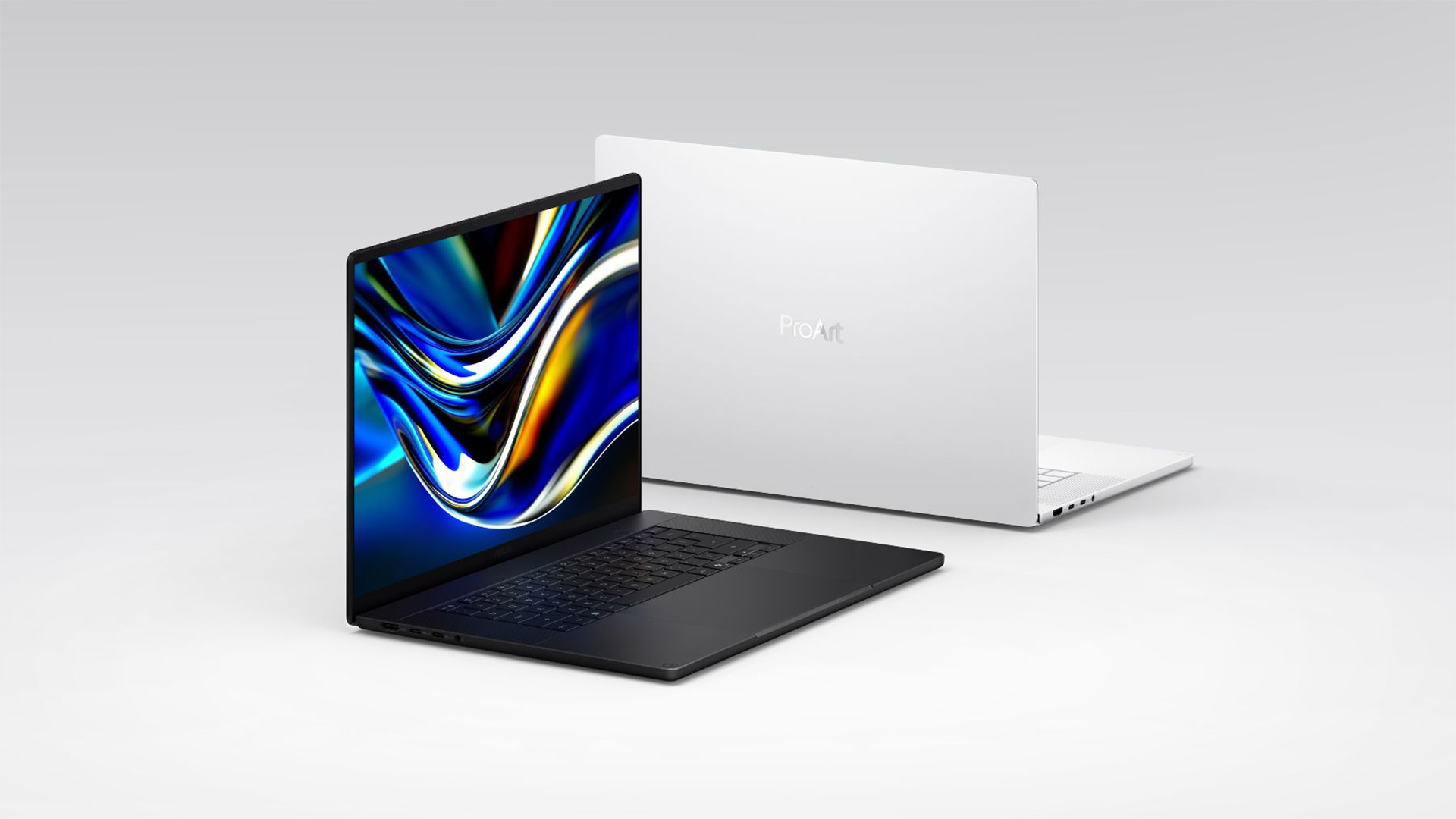
ASUS says early demand for NVIDIA RTX Spark laptops has exceeded its expectations, with the company’s initial allocation already fully preordered by channel partners.
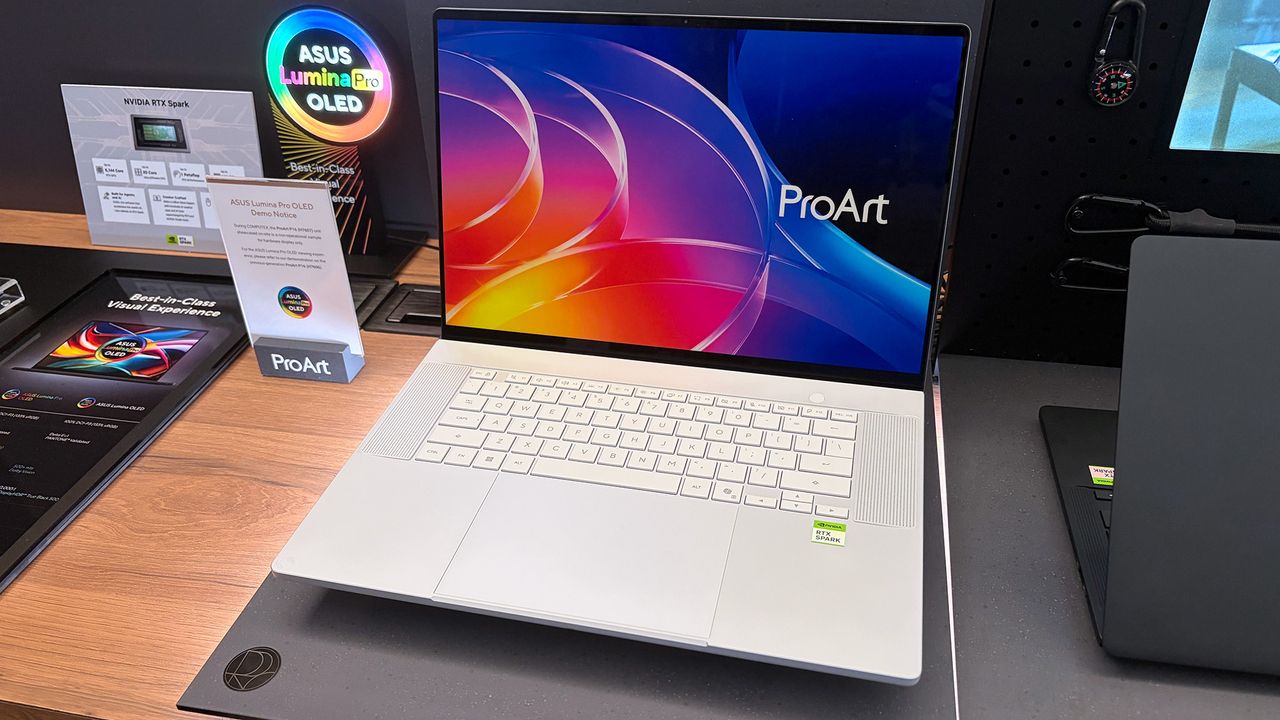
The update came during ASUS’ latest earnings call, where the company said it is placing additional orders after the first planned quantities were taken up. ASUS is preparing RTX Spark based laptops under its ProArt lineup, with the first systems expected to arrive later in 2026.
Exact preorder numbers were not disclosed, so the scale of demand remains unclear.
RTX Spark targets gaming, AI and creative workloads
| Feature | Detail |
|---|---|
| Product category | Laptop SoC platform |
| GPU architecture | NVIDIA Blackwell |
| CPU | Up to 20 cores |
| CPU development partner | MediaTek |
| Unified memory | Up to 128GB LPDDR5X |
| Local AI target | Up to 120B parameter models |
| Reported context support | Up to 1 million tokens |
| Claimed gaming target | 1440p at up to 100 FPS |
| ASUS lineup | ProArt laptops |
| Launch timing | Later in 2026 |
One of RTX Spark’s main selling points is its unified memory design.
NVIDIA says systems can be configured with up to 128GB of LPDDR5X memory shared between CPU and GPU workloads. That gives the platform much more accessible memory for local AI tasks than conventional gaming GPUs with fixed VRAM capacities.
For comparison, NVIDIA’s GeForce RTX 5090 has 32GB of dedicated video memory. That is sufficient for demanding gaming workloads, but large local AI models can require considerably more capacity.
NVIDIA claims that RTX Spark’s unified memory configuration can support models with as many as 120 billion parameters and contexts reaching up to one million tokens.
ASUS expects strong interest from several markets
RTX Spark is being positioned for more than one type of buyer.
Gamers can use the Blackwell based GPU for modern titles, while creative professionals can benefit from the larger shared memory pool when working with complex scenes, rendering and other memory intensive applications.
Local AI workloads are another major focus.
The ability to run larger models directly on a laptop could appeal to developers and professionals who do not want to rely entirely on cloud infrastructure.
NVIDIA has also demonstrated demanding games including Alan Wake 2 and Pragmata running on RTX Spark systems.
The company claims gaming performance can reach around 100 FPS at 1440p, although independent benchmarks from retail hardware will be more useful once commercial systems become available.
CPU performance could be the weaker part of the platform
RTX Spark also includes a CPU developed with MediaTek.
Configurations with 18 and 20 CPU cores have already appeared in benchmark leaks, but the results suggest the processor may not match Apple’s M4 Max in CPU performance.
In Geekbench 7, the 20 core version reportedly remained around 11% behind a 14 core M4 Max in multicore performance.
Those early results should be treated cautiously because commercial hardware, final firmware and mature drivers may perform differently.
More RTX Spark laptops are coming
ASUS is not the only manufacturer preparing systems around RTX Spark.
NVIDIA is working with several PC makers, including ASUS, MSI, Acer and GIGABYTE, to bring the platform to market.
ASUS’ comments suggest channel partners are already expecting meaningful demand before the first wave reaches customers.
The company said it is continuing to place additional orders and remains optimistic about sales into 2027.
If that demand carries through to retail, RTX Spark could become an important new option for people who want one laptop for gaming, creative work and large local AI models, especially where conventional discrete GPUs run into VRAM limits.



Discussion (0)
Be the first to comment.