



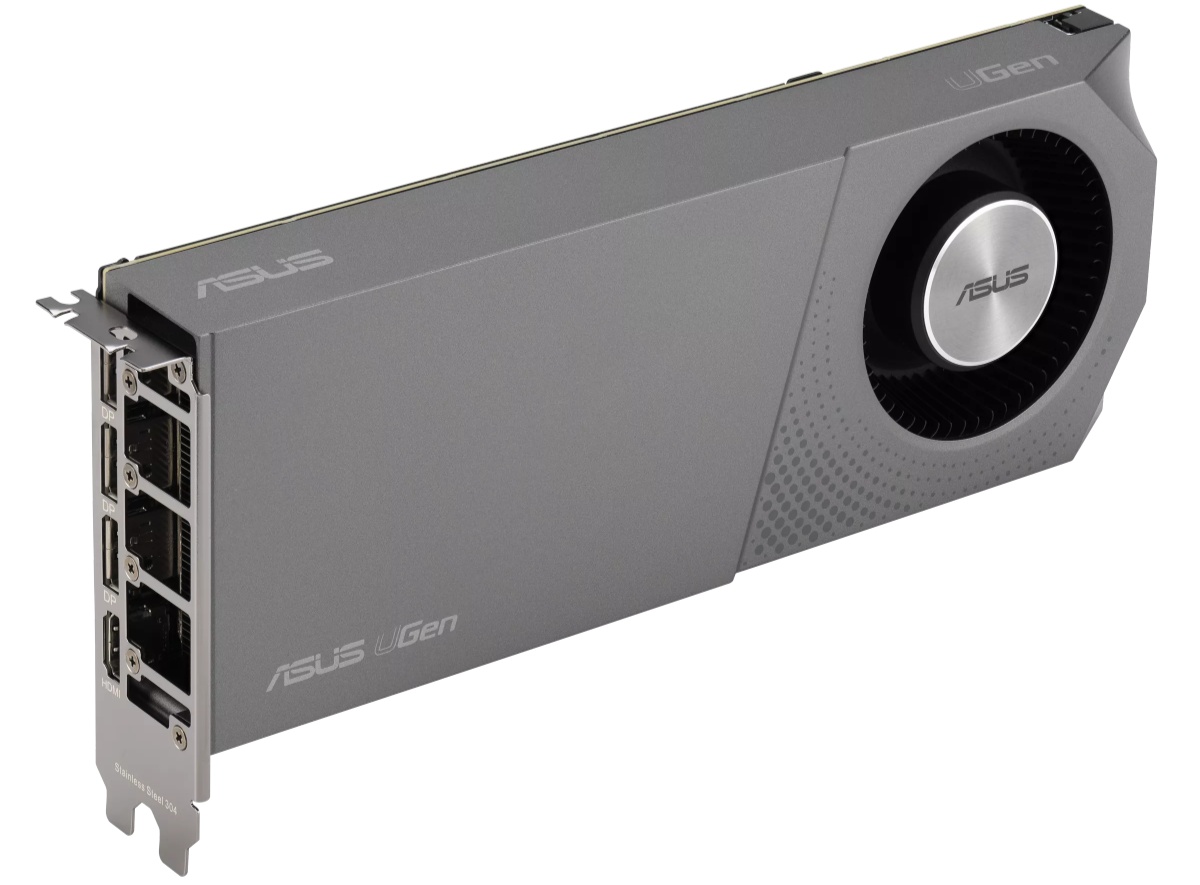
ASUS has entered the Intel Arc Pro graphics card market with a new 32GB workstation model based on Intel's full Big Battlemage GPU, marking the company's first modern Arc card after sitting out the previous two generations.
The new ASUS UGen Arc Pro B70 uses Intel's BMG G31 GPU and targets local AI, workstation and professional workloads rather than conventional gaming.
It combines 32GB of GDDR6 memory with 32 Xe cores, 256 XMX AI engines and up to 367 TOPS of INT8 AI performance. The card has a maximum total board power of 310W.
ASUS UGen Arc Pro B70 Specifications
| Feature | ASUS UGen Arc Pro B70 |
|---|---|
| GPU | Intel Big Battlemage BMG G31 |
| Architecture | Xe2 |
| Xe cores | 32 |
| XMX AI engines | 256 |
| Memory | 32GB GDDR6 |
| AI performance | Up to 367 TOPS INT8 |
| Maximum TBP | 310W |
| Form factor | Dual slot |
| Cooling | Blower style |
| Display outputs | 3 DisplayPort, 1 HDMI |
| Multi GPU support | Up to four cards |
| Maximum combined VRAM | 128GB |
The dual slot blower design is particularly important for professional systems because it allows several cards to be installed closely together without requiring unusually wide spacing.
ASUS says four cards can be combined in one system, providing a total of 128GB of graphics memory.
That configuration is positioned for local AI workloads involving models with as many as 120 billion parameters.
Local AI Is the Main Focus
ASUS is marketing the Arc Pro B70 heavily around local AI.
The card supports several common AI frameworks and tools, including vLLM through Intel XPU support, llama.cpp through SYCL or Vulkan, Ollama, PyTorch with Intel extensions, OpenVINO, oneAPI and Vulkan based workloads.
ASUS also published AI benchmark results showing the card handling agent based workloads and local language models.
One test showed approximately 188.2 tokens per second with Qwen3 8B and around 1,334 tokens per second using GPT OSS 20B.
The company also highlights MLPerf Client results and configurations using multiple Arc Pro B70 cards.
These figures are vendor supplied results, so performance can vary depending on model, software configuration and workload.
Four Cards Can Deliver 128GB of VRAM
The ability to combine multiple Arc Pro B70 cards is one of its more significant features.
A four card setup would provide 128GB of total VRAM, giving developers and businesses more room for larger models than a single 32GB accelerator can provide.
ASUS is positioning different configurations toward several audiences, including individual AI developers, creative studios, small businesses and larger enterprise teams.
The blower cooler also makes more sense in this type of workstation environment because each card exhausts heat more predictably when several GPUs are installed close together.
Pricing Has Not Been Announced
ASUS has not provided official pricing for its UGen Arc Pro B70.
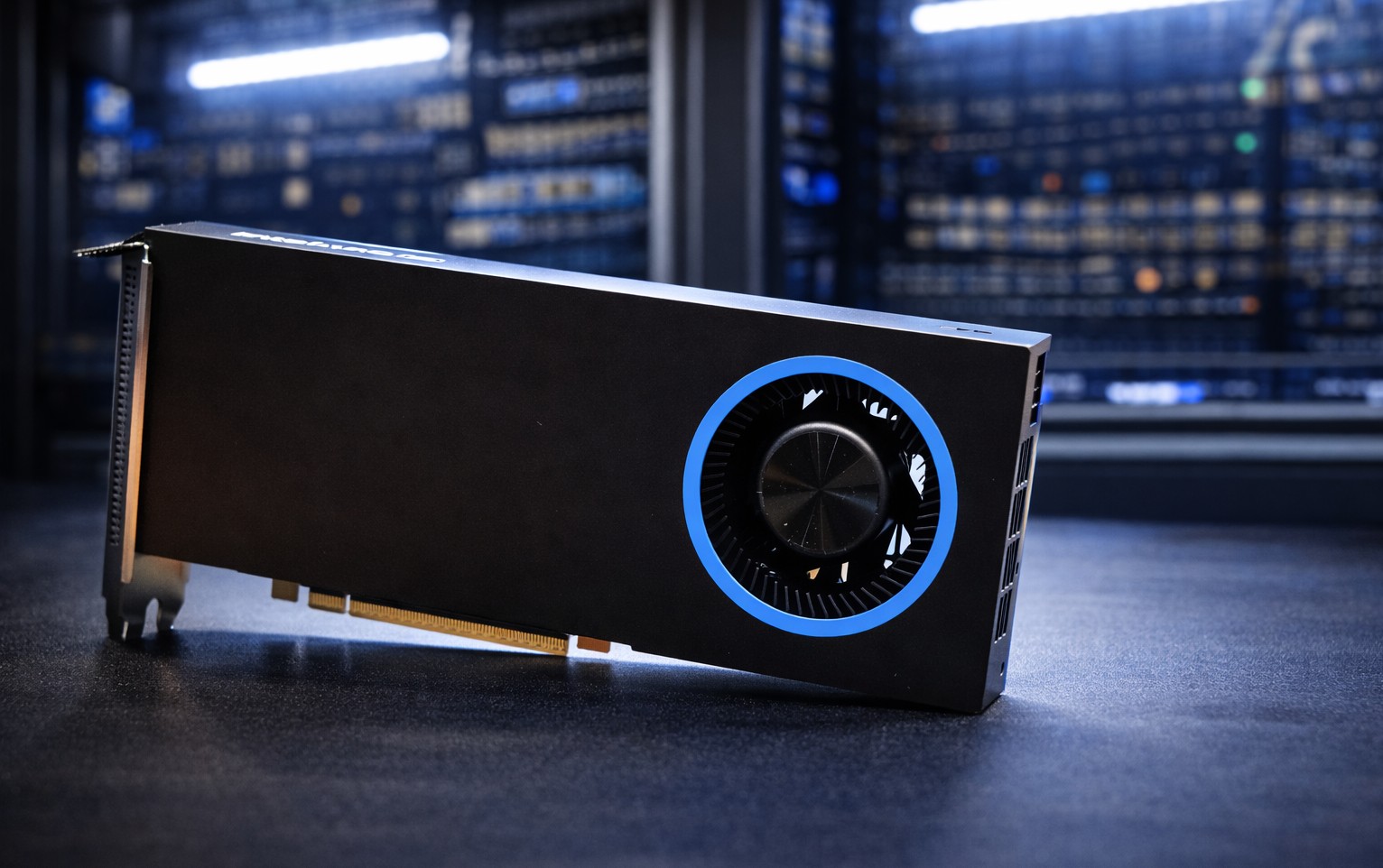
Existing Intel Arc Pro B70 32GB models from other manufacturers have been listed at roughly $1,299 to more than $2,000, providing a general indication of the market the ASUS card is entering.
That still places it below some professional NVIDIA alternatives with similar memory capacity.
For example, the supplied material shows a 32GB RTX PRO 4500 Blackwell card listed at $4,499.99, while a 32GB Radeon AI Pro R9700 example was listed at $1,699.99.
Retail prices can change significantly, so these examples should not be treated as fixed comparisons for the ASUS model.
ASUS Returning to Intel Graphics Is Significant
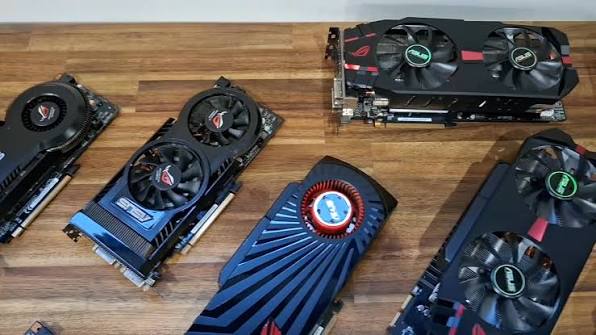
ASUS previously produced an Intel DG1 graphics card with passive cooling, but it did not launch mainstream Arc products through Intel's following two discrete GPU generations.
Most Arc cards instead came from companies such as ASRock, Acer and Sparkle.
The arrival of a full 32GB Big Battlemage workstation card from ASUS therefore represents a notable expansion in Intel's board partner support.
It also reflects the growing demand for GPUs designed around local AI workloads.
ASUS already sells professional and AI focused products using NVIDIA and AMD graphics. Adding an Intel Arc Pro option gives it another platform for customers who need large memory pools and local inference capabilities.
If Intel continues investing in discrete graphics, ASUS entering the Arc Pro ecosystem could also open the door to more Intel based graphics products in future generations.


Discussion (0)
Be the first to comment.