



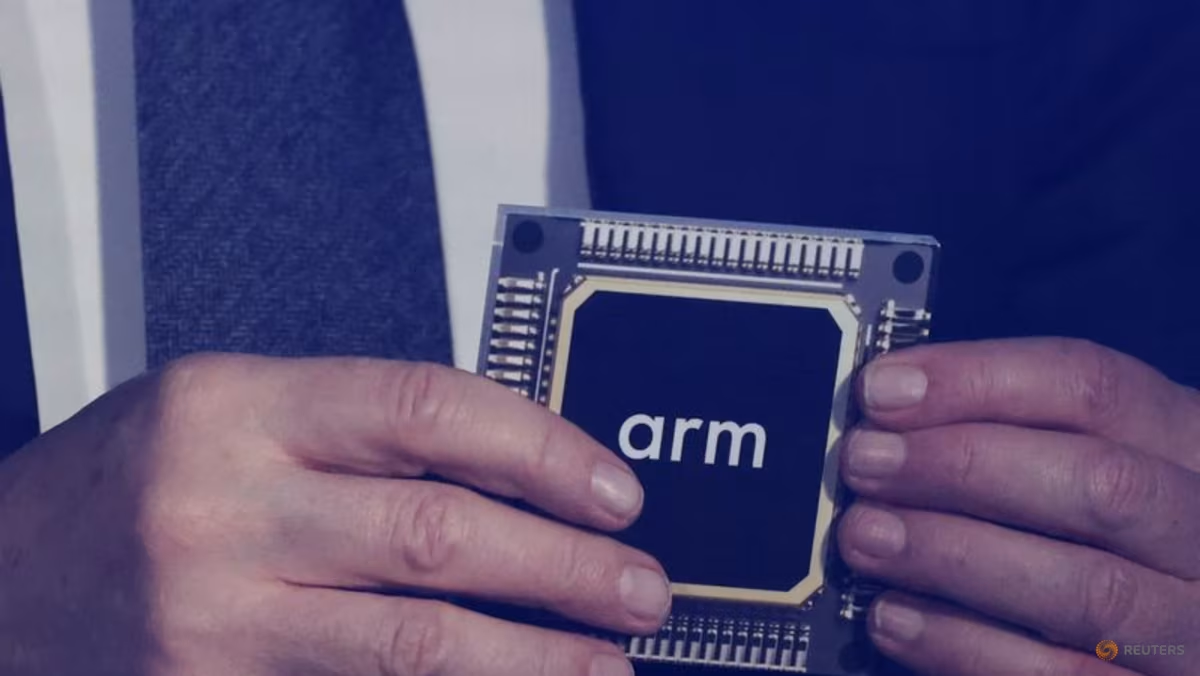
Arm now expects much stronger demand for its AGI CPU, with revenue forecast to pass $2 billion by fiscal year 2028. That is more than double the earlier estimate shared when the chip was introduced.
The AGI CPU was launched in March for agentic AI workloads, where systems need fast CPU performance alongside accelerators. The chip is based on Arm’s architecture and marks a bigger move for the company, which is expanding beyond chip IP and into production silicon.
The demand appears to be coming from major AI companies and cloud providers. OpenAI, Cerebras, Positron, and Rebellions are expected to use Arm’s AGI CPU with accelerator based systems. European AI cloud provider Verda is also planning to deploy the chip for agentic AI orchestration.
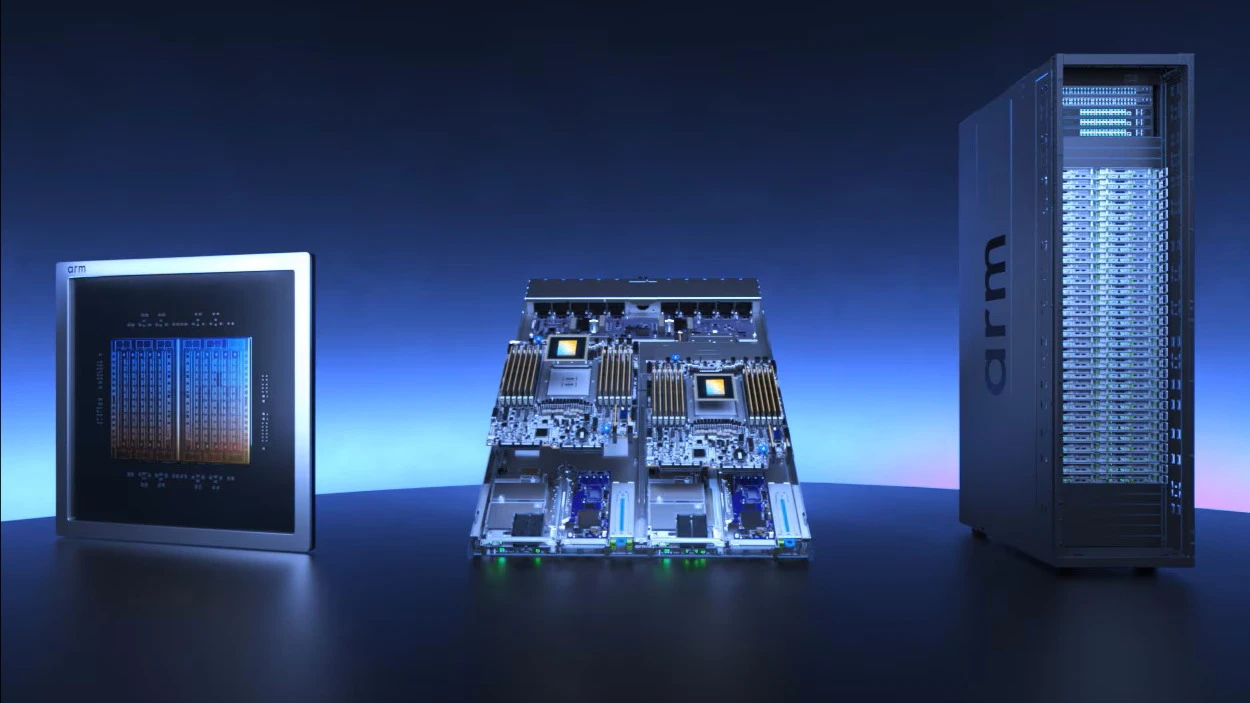
Commercial systems using the AGI CPU are already available to order from companies including ASRock, Lenovo, Quanta, and Supermicro.
The chip is designed for responsive performance in AI infrastructure. It can support up to 136 Arm Neoverse V3 cores, with 2MB of L2 cache per core, up to 3.7GHz clock speeds, and sub 100ns memory latency.
Here is a quick look at the main details:
| Area | Details |
|---|---|
| Product | Arm AGI CPU |
| Revenue forecast | More than $2 billion by fiscal year 2028 |
| Earlier forecast | Around $1 billion |
| Main use | Agentic AI workloads |
| Architecture | Arm based |
| CPU cores | Up to 136 Arm Neoverse V3 cores |
| Cache | 2MB L2 cache per core |
| Clock speed | Up to 3.7GHz |
| Memory latency | Sub 100ns |
| System partners | ASRock, Lenovo, Quanta, and Supermicro |
| AI customers | OpenAI, Cerebras, Positron, Rebellions, and Verda |
Arm says its share of CPU compute has reached 50 percent among top hyperscalers such as Amazon, Google, and NVIDIA. That reflects a wider shift toward Arm based chips in data centers, especially as AI workloads push companies to rethink performance, power use, and system design.
The larger point is that AI infrastructure is not only about GPUs. Agentic AI systems need CPUs that can coordinate tasks, manage memory, support accelerators, and handle orchestration at scale. Arm’s higher forecast suggests that demand for that role is growing faster than expected.

Discussion (0)
Be the first to comment.