



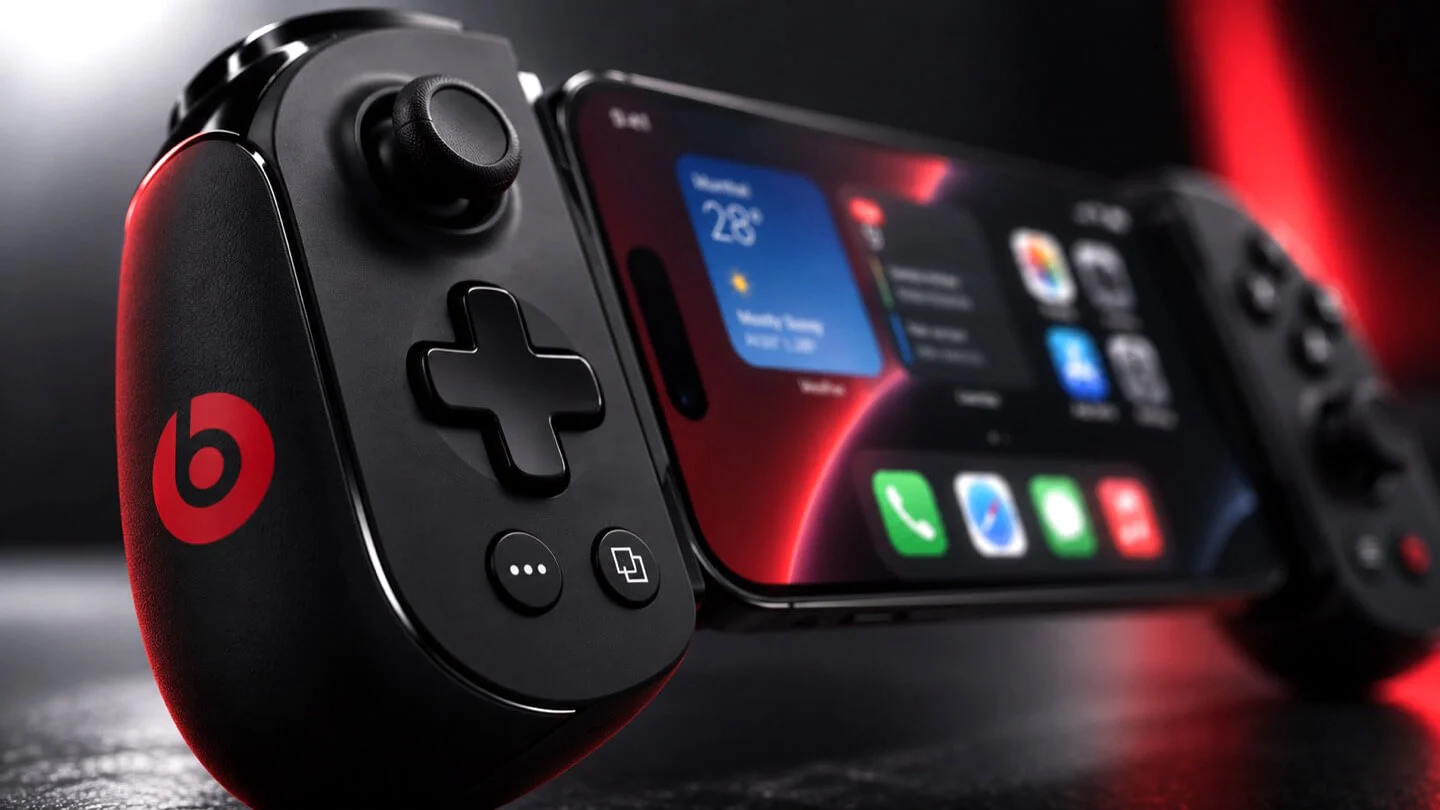
Apple is reportedly working on dedicated gaming controllers for the iPhone, with the accessories expected to launch under the Beats brand rather than Apple's main hardware label.
The project has apparently been in development for more than a year and could mark a larger push into mobile gaming hardware.
Recent macOS code reportedly references two unreleased controller models, while additional information suggests that Beats leadership is directly involved in their design and development.
If the project reaches the market, Apple would be entering a category currently dominated by companies such as Backbone, Razer and SteelSeries.
| Detail | Reported information |
|---|---|
| Product type | iPhone gaming controllers |
| Brand | Beats |
| Development time | More than one year |
| Reported codenames | T6502 and T1057 |
| Controls | Dual analog sticks, shoulder triggers, directional pad |
| Target platform | iPhone and potentially other Apple devices |
| Release date | Not announced |
| Price | Not announced |
Beats could give Apple more freedom with gaming hardware
Using the Beats brand would allow Apple to approach gaming accessories differently from its usual product strategy.
Apple's main hardware line is generally built around simple designs and premium pricing. Gaming controllers often follow a different approach, with stronger grips, larger buttons and more aggressive styling focused on comfort and durability.
Beats already has a separate visual identity and is associated with lifestyle products, music and younger buyers.
That could make it a more natural brand for accessories aimed at mobile gaming.
It would also let Apple test a new category without making the controller a central part of the main Apple hardware lineup.
Code references point to two controller models
Recent macOS builds reportedly contain references to two unreleased controller devices identified as T6502 and T1057.
The code suggests that both products use a fairly traditional gamepad layout.
Expected controls include dual analog sticks, directional pads and shoulder triggers.
That indicates Apple may be planning full gaming controllers rather than smaller accessories with limited input options.
It is not clear whether the two models represent different sizes, price levels or compatibility options.
There is also no confirmed information about whether the controllers would attach directly to an iPhone or connect wirelessly.
Apple would be entering an established accessory market
Dedicated iPhone controllers are already widely available.
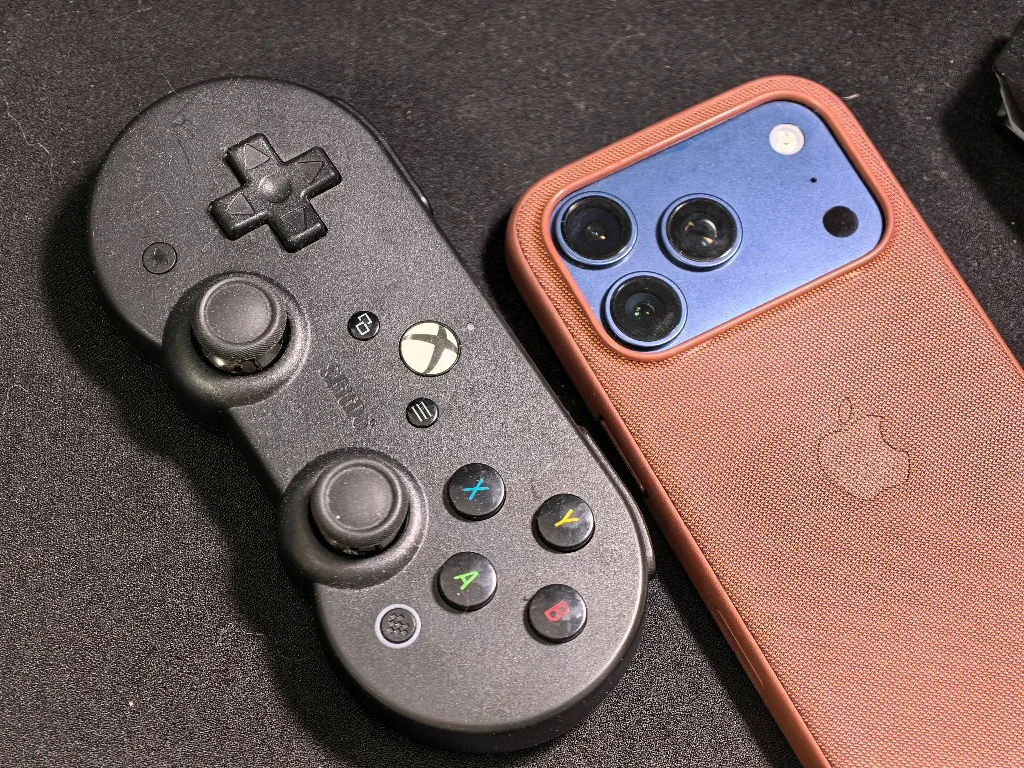
Products such as the Backbone One and Razer Kishi turn an iPhone into something closer to a handheld game console by placing physical controls around the screen.
Traditional Bluetooth controllers from companies such as SteelSeries also work with Apple devices.
A first party controller could give Apple tighter integration with iOS and its gaming ecosystem.
That could include easier setup, deeper system support and better compatibility with games designed around controller input.
Apple also sells many third party gaming accessories through its own stores, showing that there is already demand within its customer base.
Mobile gaming has become more important to Apple
The iPhone has become more capable as a gaming device, particularly as Apple has pushed higher performance chips into recent models.
More console style games have also appeared on Apple hardware.
A dedicated controller would help address one of the main limitations of smartphone gaming, since touchscreen controls are not ideal for every genre.
Physical sticks and triggers are especially useful for racing games, shooters, action games and console ports.
A Beats controller could therefore make the iPhone more practical for longer gaming sessions.
The Beats strategy could extend beyond gaming
The reported controller project may also show how Apple plans to use Beats in the future.
Rather than limiting the brand to headphones and audio products, Apple could use it for more experimental accessories or devices aimed at narrower audiences.
That would give Apple another way to enter product categories where the company's normal design language or pricing strategy may not fit as naturally.
Gaming could be a useful test because the accessory market is already large and highly competitive.
There is still no official confirmation that either controller will launch.
Pricing, final design, compatibility and release timing remain unknown.
For now, the clearest indication is that Apple appears interested in creating its own iPhone gaming hardware, with Beats potentially becoming the brand used to bring those products to market.

Discussion (0)
Be the first to comment.