




AMD has posted a new revision of its HDMI 2.1 FRL and DSC patches for the open source AMDGPU Linux driver, bringing Radeon support for modern HDMI features closer to wider use. The update is important because FRL, or Fixed Rate Link, allows HDMI connections to move beyond HDMI 2.0 bandwidth limits and support display modes such as high refresh rate 4K.
The progress comes with one limitation. In the latest patch revision, FRL is disabled by default. Anyone who wants to test the feature will need to manually enable it by booting the Linux kernel with the amdgpu.dc_feature_mask=0x400 parameter.
AMD appears to be waiting for HDMI VRR support before making FRL the default experience
The reason is linked to Variable Refresh Rate support. According to the report, AMD is keeping FRL disabled until HDMI VRR is ready. Turning on FRL without VRR could be seen as a regression for people using FRL capable displays, so AMD is treating manual enablement as a safer temporary step.
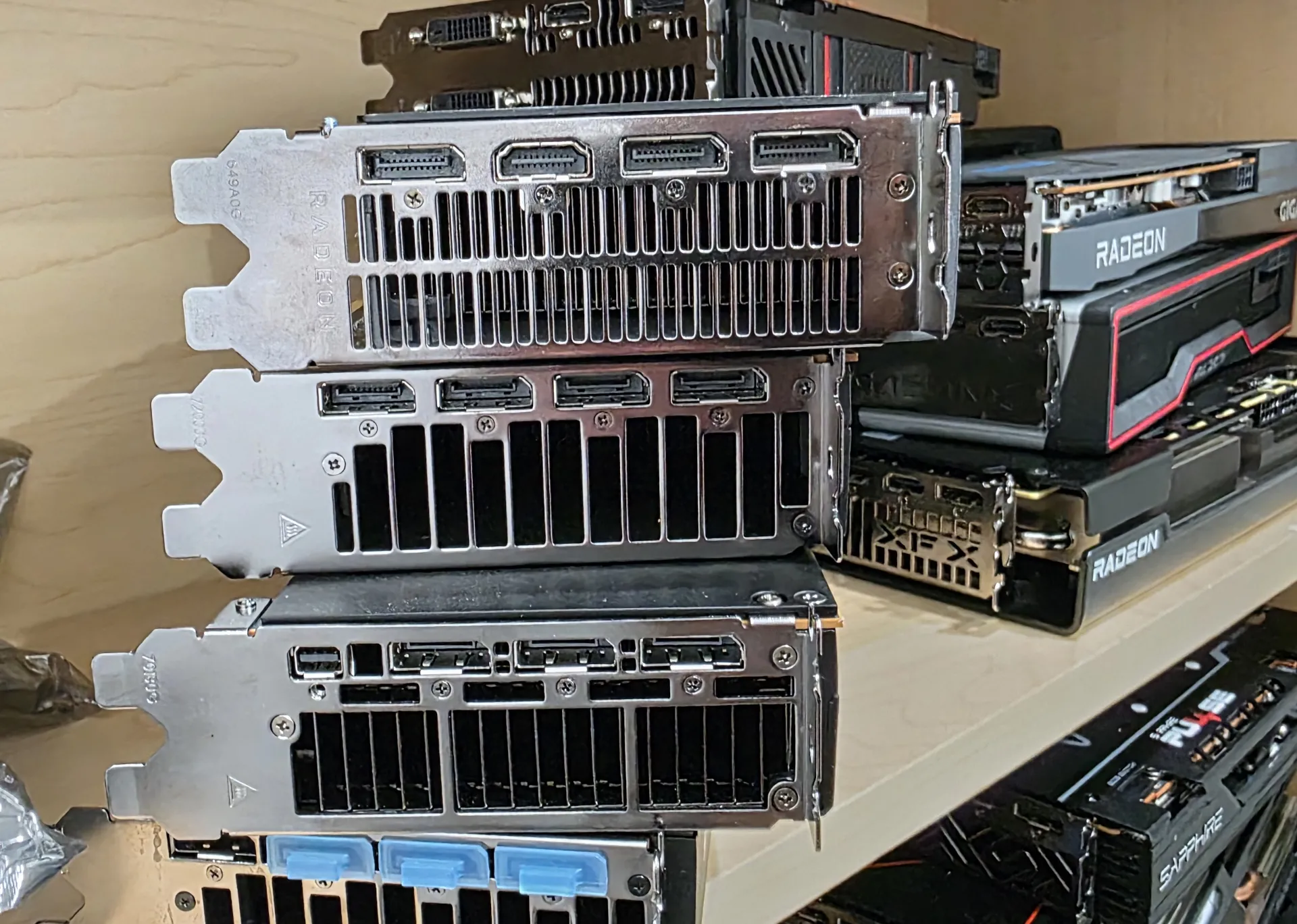
That means Linux gamers with Radeon hardware may have to wait a little longer before HDMI 2.1 works as a normal plug and play experience. Once VRR support lands, FRL is expected to be enabled by default, removing the need for the manual kernel parameter.
| Feature | Current status |
|---|---|
| HDMI 2.1 FRL | Added through AMDGPU Linux patches |
| Default behavior | Disabled for now |
| Manual option | Kernel parameter required |
| Required parameter | amdgpu.dc_feature_mask=0x400 |
| Main reason | HDMI VRR support is not ready yet |
| Expected change | FRL may be enabled by default after VRR support arrives |
This is still a notable step for Radeon owners on Linux. HDMI 2.1 support has been a difficult area for open source graphics drivers, and AMD’s work with the HDMI Forum has been watched closely by Linux gaming fans. Valve’s involvement also matters because SteamOS and Proton have helped make Linux gaming more practical for everyday players.
For now, the update is best seen as progress rather than a finished rollout. AMD has moved HDMI 2.1 FRL support closer to the Linux kernel, but it is waiting until the full display experience is ready before enabling it for everyone by default.

Discussion (0)
Be the first to comment.