



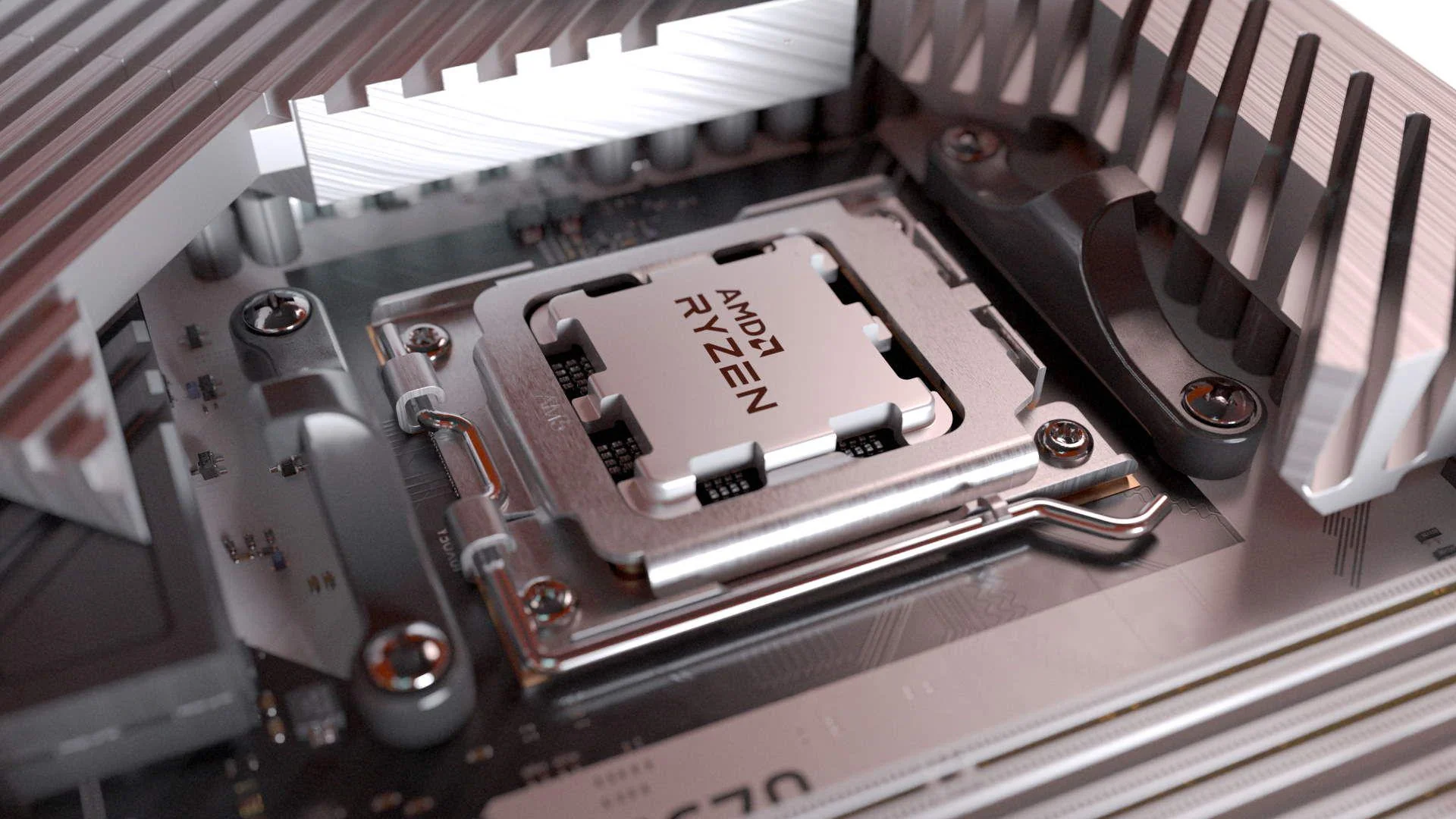
AMD says its AM5 platform will continue receiving new Ryzen products and fresh Zen architectures through 2029, giving PC builders a much longer upgrade path before the company moves to a new desktop socket. The next major platform shift will only happen when standards like DDR6 and PCIe 6 make enough practical sense for buyers, not simply because a new technology looks good on a spec sheet.
That is important because the PC market is under heavy pressure right now. DDR5 prices are high, component costs are rising, and many people are holding onto older systems longer than expected. AMD appears to be responding by keeping AM5 stable instead of forcing a disruptive motherboard upgrade too early.
The company originally expected the industry to move toward DDR6 around 2027 or 2028. That timeline would normally create pressure for a new platform. But with current memory prices and slower market movement, AMD now sees AM5 lasting longer. According to AMD’s David McAfee, the company has products ready to support that extended plan.
AM5 will get new Zen architectures instead of a rushed socket change
AMD’s message is that a new socket is not a small change. It affects motherboard layouts, memory routing, signal integrity, PCIe support, power delivery, and overclocking design. Moving too early can raise costs for motherboard makers, retailers, system builders, and everyday buyers.
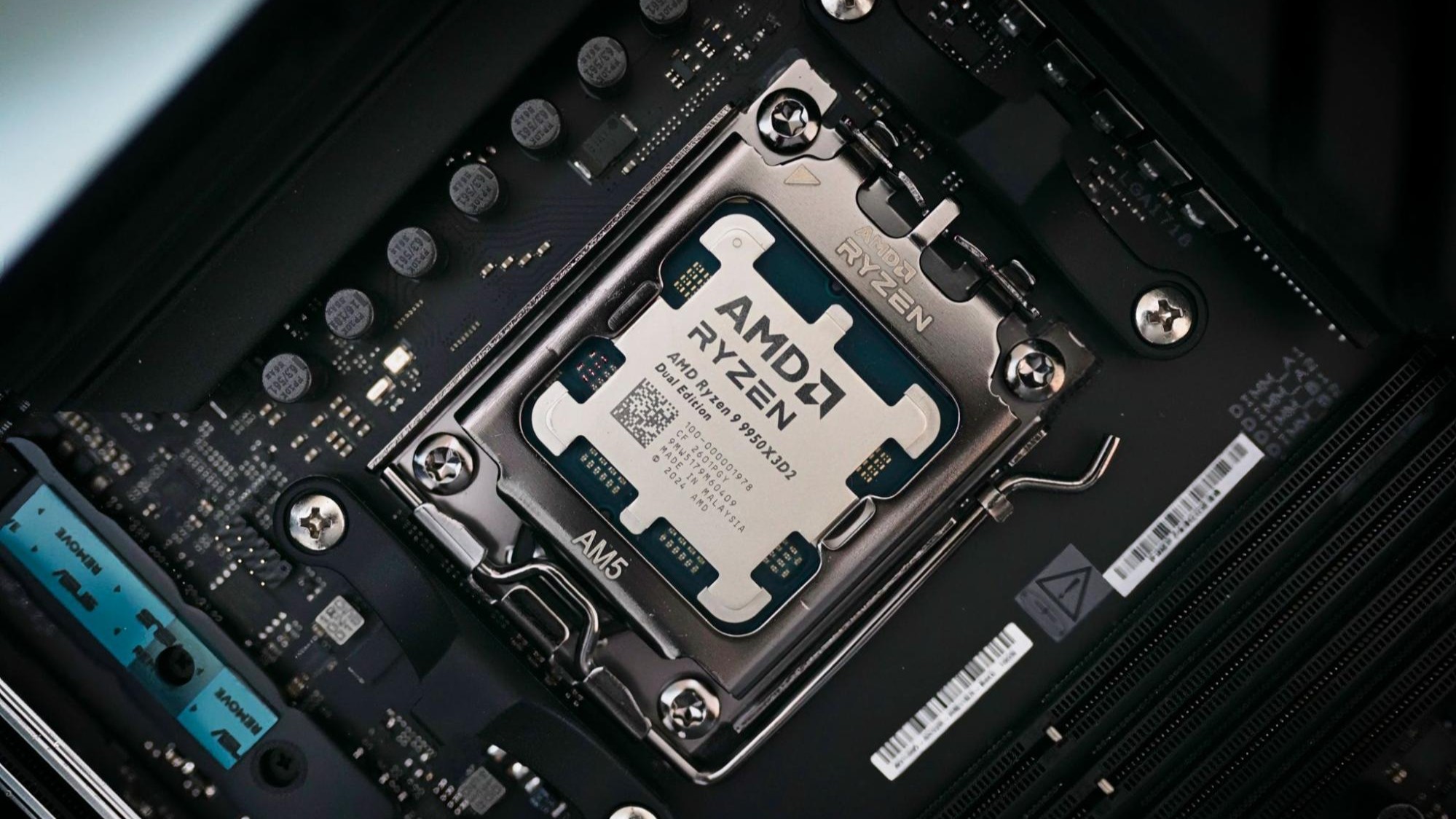
This is one of AMD’s biggest advantages over the long term. AM4 lasted for years and became one of the most respected desktop platforms because buyers could upgrade CPUs without replacing the entire system. AMD wants AM5 to follow that same path.
The company says the next socket will depend on three main factors: new industry standards, whether those standards deliver a meaningful experience improvement, and whether the needs of gamers, creators, and DIY builders have changed enough to justify a new platform.
That is a sensible approach. PCIe 5 SSDs already show why headline numbers do not always translate into major real world benefits. They can offer much higher theoretical speeds, but many games and daily tasks do not feel dramatically faster. If PCIe 6 and DDR6 raise motherboard costs without a noticeable improvement for most people, AMD sees little reason to rush.
DDR6 will eventually matter. PCIe 6 will eventually matter too. But AMD wants the timing to be right. A new platform should offer more than higher numbers. It should give buyers faster systems, better I/O, better memory support, and a clear reason to replace their motherboard.
AMD also said its X3D processors are especially useful during the current memory price problem. Because 3D V-Cache helps reduce dependence on memory speed and bandwidth in games, some buyers can use a single RAM stick without losing much gaming performance. AMD says it tested 30 games and saw only about a 0.5 percent average difference between single DIMM and dual DIMM setups on X3D gaming CPUs.
That does not apply to everyone. Creators, developers, and heavy multitaskers still benefit from more memory bandwidth and capacity. But for people building a gaming PC on a tight budget, starting with one stick of RAM and upgrading later could save money without badly hurting frame rates.
AMD also plans to give enthusiasts more room for overclocking. In the past, the company often pushed chips close to their limits at stock settings, leaving little headroom for manual tuning. McAfee said AMD’s newer strategy is different, with more attention on both overclocking and undervolting. That matters because many Ryzen owners now tune their systems for better efficiency, not only higher clocks.
The larger message is clear: AMD does not want to break platform compatibility unless the benefits are worth it. That should be good news for anyone who already invested in AM5. Instead of needing a new motherboard for the next major Ryzen generation, buyers should have a path to future CPUs on the same platform.
AM5 may now become more valuable than it looked at launch. If it receives Zen 6, Zen 7, and refreshed Ryzen products through 2029, it could repeat much of what made AM4 successful. For PC builders dealing with high memory prices and expensive upgrades, stability may be more useful than chasing a new socket too soon.



Discussion (0)
Be the first to comment.