



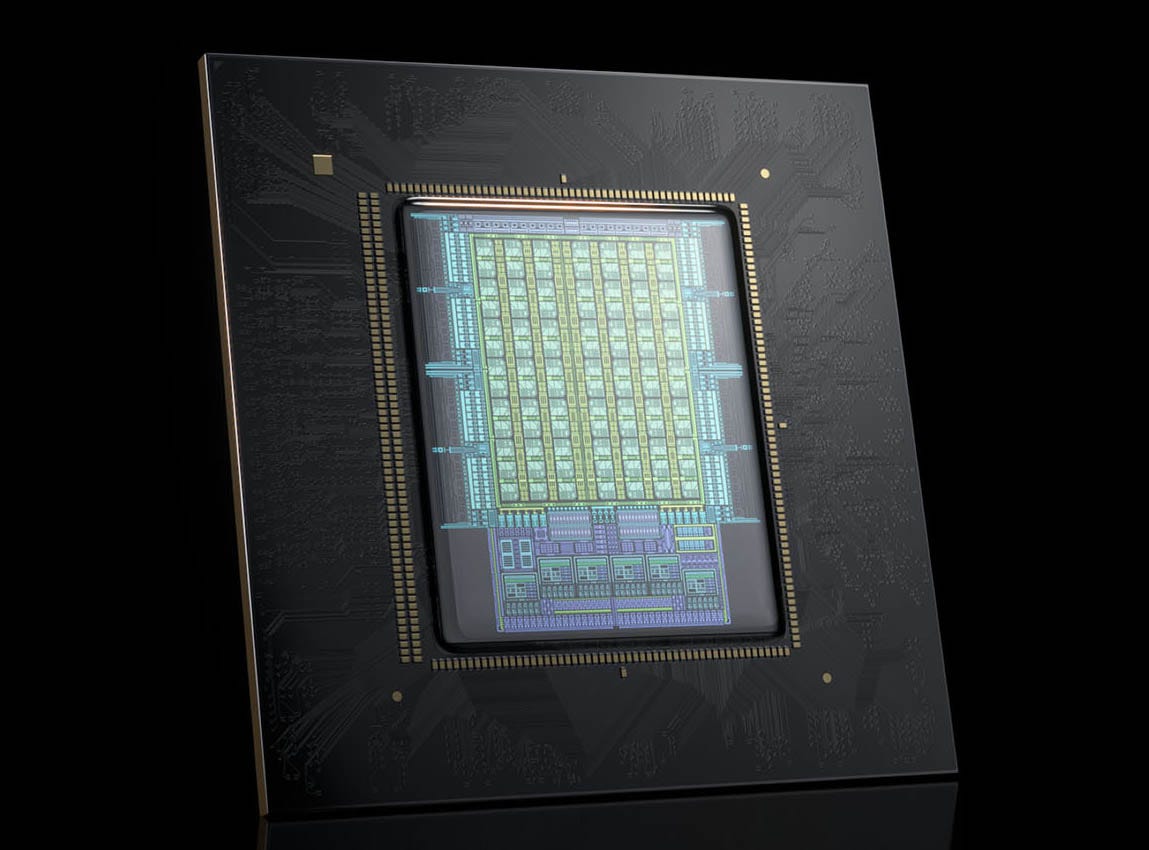
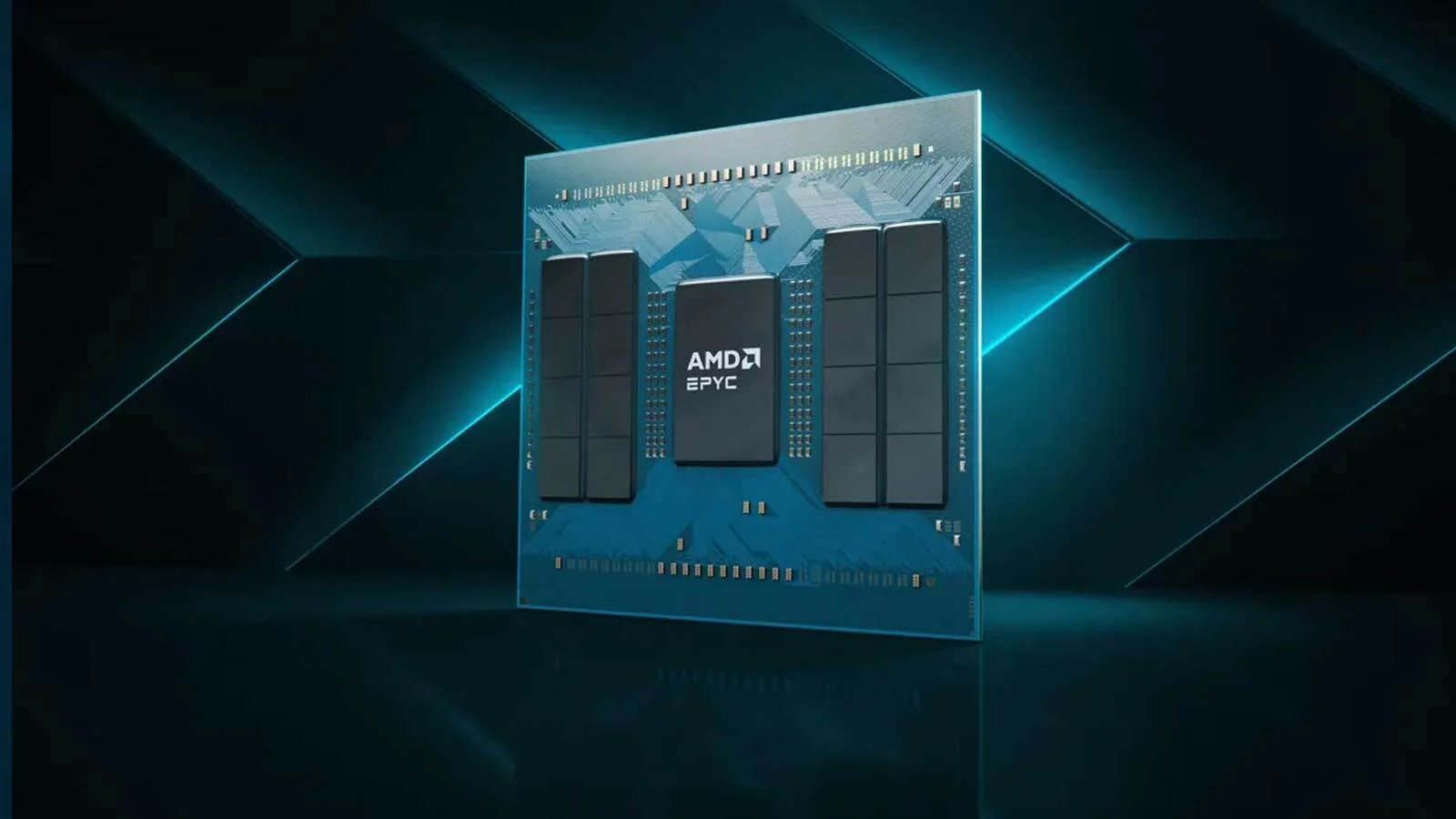
AMD has published a more detailed set of performance results for its EPYC Venice server processors, putting the upcoming Zen 6 generation directly against Nvidia Vera and Intel Xeon hardware.
The strongest claim concerns the 256 core EPYC 9996. In AMD's SPEC CPU 2026 Integer Rate testing, the processor delivered 2.24 times the throughput of Nvidia's 88 core Vera CPU and 2.37 times the performance of Intel's Xeon 6980P.
AMD also reports a substantial improvement over its own previous generation. The EPYC 9996 was around 78 percent faster than the 192 core EPYC 9965 in the same throughput focused test.
However, these results come with several testing differences that need to be considered before making direct comparisons.
AMD also claims a 20 percent advantage per core
For a closer comparison with Nvidia Vera, AMD used its 256 core EPYC 9996 with only 96 cores enabled. According to AMD's results, this configuration delivered roughly 20 percent higher performance than Vera in SPEC CPU 2026 Integer Rate testing.
That comparison is more relevant than simply putting a 256 core processor against an 88 core chip, but the test conditions were not identical.
AMD's 96 core configuration reportedly operated with access to a 600W power budget. The actual high frequency 96 core Venice model has a maximum power rating of 500W.
There was also a compiler difference. AMD's newer results used GCC 16.1, which includes support for Zen 6, while Nvidia's published Vera figures used GCC 15.2. Compiler changes can affect application performance, making the comparison less controlled than running both processors with the same software environment.
| Comparison | AMD reported result |
|---|---|
| EPYC 9996 vs Nvidia Vera | 2.24 times higher SPEC integer throughput |
| EPYC 9996 vs Intel Xeon 6980P | 2.37 times higher throughput |
| EPYC 9996 vs EPYC 9965 | Around 78 percent faster |
| 96 core Venice vs Nvidia Vera | Around 20 percent higher performance |
| Venice vs Vera memory bandwidth test | Around 18 percent higher overall |
Memory bandwidth also favors Venice in AMD's testing
AMD included results from the Stream memory bandwidth benchmark. For this test, it again used a 96 core configuration derived from the 256 core EPYC 9996.
The Venice system came out roughly 18 percent ahead of Vera in total memory bandwidth performance. On a per core basis, AMD's advantage was around 8 percent.
Memory bandwidth is particularly important in modern data center workloads where CPUs regularly process large datasets, databases, scientific workloads and AI related tasks. A processor can have large numbers of cores, but those cores still need enough memory bandwidth to remain productive.
AMD also showed Venice results across database workloads, Java applications, cryptography, high performance computing and workloads associated with AI agents.
In several of these tests, the generational improvement over existing EPYC processors was as important as the comparison against competing chips.
Vendor benchmarks still need independent testing
AMD's figures provide an early indication of what Zen 6 based EPYC processors can offer, but they should not be treated as independent measurements.
Some competitor results came from third party testing, while other numbers were produced internally by AMD. Different compiler versions, processor configurations and power limits were also used across parts of the comparison.
Server performance is also highly dependent on workload. A processor that leads in SPEC CPU throughput may behave differently in databases, virtualization, software compilation or workloads dominated by memory access.
The early numbers nevertheless suggest that Venice is bringing a large increase in throughput over the previous EPYC generation. The 256 core design gives AMD significantly more parallel processing resources, while the 96 core results indicate that Zen 6 performance improvements are not coming from core count alone.
Independent testing will be needed to establish how much of AMD's claimed advantage remains when Venice, Vera and competing Intel processors are evaluated under identical software, power and system configurations.


Discussion (0)
Be the first to comment.