


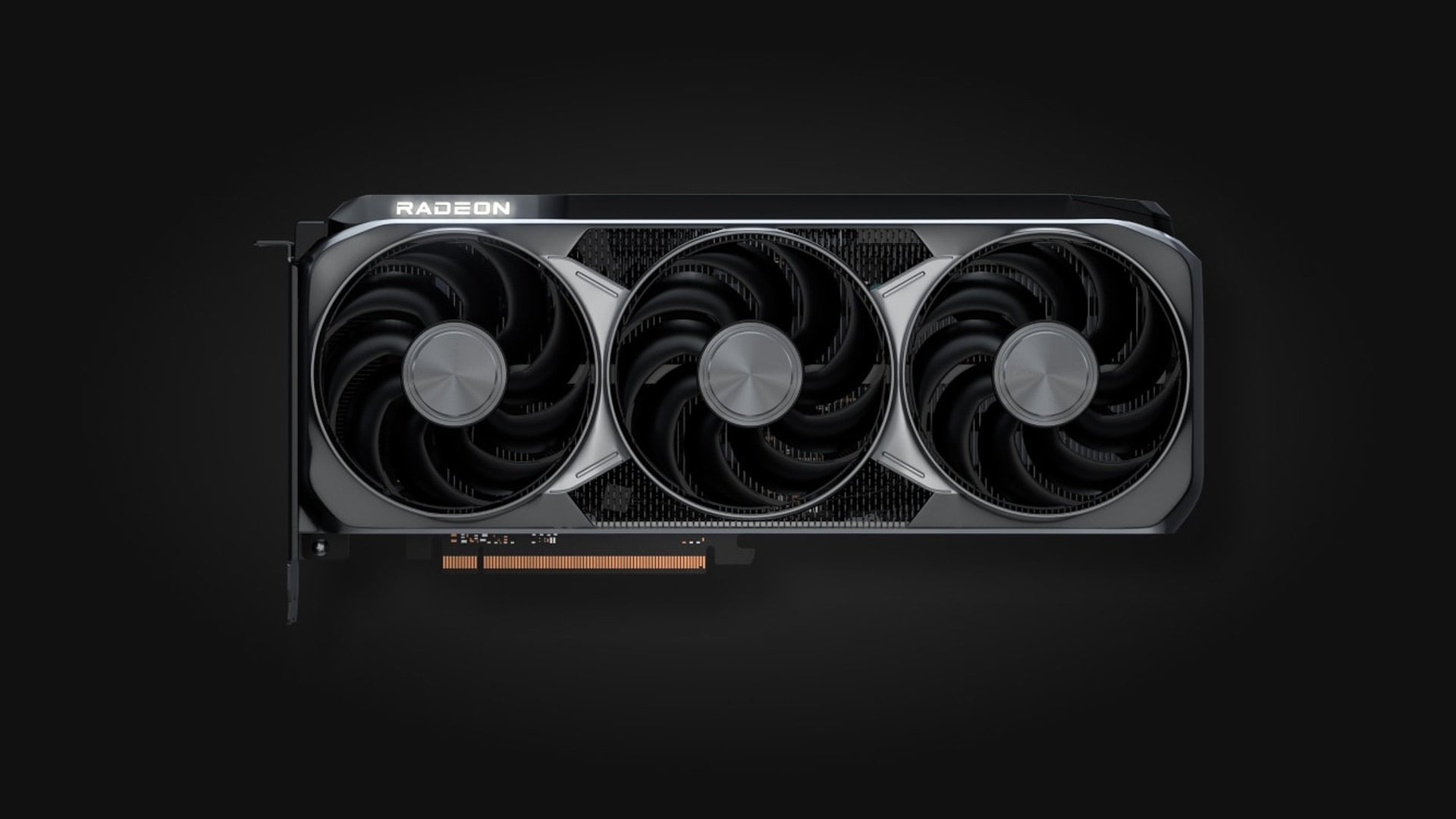
Microsoft's latest DirectX Raytracing improvements have delivered substantial performance gains in early testing, with AMD's Radeon RX 9070 XT achieving approximately 54 times higher frame rates in a demanding graphics demonstration.
The results come from independent testing of Clustered Geometry, a feature introduced through Microsoft's DirectX 12 Agility SDK 1.722 Preview.
The technology aims to reduce the processing and memory requirements associated with complex ray traced environments.
AMD confirmed support for these features on October 28, 2026, through a developer preview driver for its RDNA 4 graphics cards.
However, the results come from a specialized demonstration rather than a commercial game.
RX 9070 XT Ray Tracing Performance Improves From 1.7 FPS to 91 FPS
Graphics developer Osvaldo Pinali Doederlein tested Microsoft's Clustered Geometry sample using an RX 9070 XT at a resolution of 1600 × 920.
The demonstration contained approximately 91 million triangles, creating a demanding workload for ray tracing acceleration structures.
The results showed major differences between conventional geometry rebuilding and Microsoft's new implementation.
| Performance metric | Traditional method | Clustered Geometry |
|---|---|---|
| Frame rate | 1.7 FPS | 91 FPS |
| Acceleration structure memory | 7,518 MB | 771 MB |
| Ray dispatch time | 8.5 ms | 8.2 ms |
The new approach reduced acceleration structure memory usage by nearly 90% while significantly improving frame rates.
Most of the performance improvement came from reducing geometry rebuilding overhead rather than accelerating ray tracing calculations directly.
Real Gaming Performance Gains Will Be Smaller
The testing also revealed important limitations.
With a less demanding geometry configuration, Clustered Geometry delivered approximately twice the performance rather than the dramatic gains seen in the larger demonstration.
At 4K resolution, performance increased from 1.6 FPS to 28 FPS, representing a 17.5 times improvement.
The technology also occasionally increased ray dispatch times, showing that performance benefits depend on workload characteristics.
These results do not mean existing games will automatically receive similar improvements.
Developers must integrate the new technology into their rendering engines, and actual games contain additional processing workloads.
AMD RDNA 4 GPUs Receive Initial Support
AMD's preview implementation currently supports RDNA 4 graphics cards, including the Radeon RX 9000 series, through driver version 26.20.12.01.
Support for older Radeon GPUs remains uncertain.
Microsoft's new DirectX features are designed as standardized APIs, but compatibility ultimately depends on graphics manufacturers and their drivers.
For now, the demonstration highlights the potential for more efficient ray tracing in future games, particularly those featuring highly detailed environments.


Discussion (0)
Be the first to comment.