



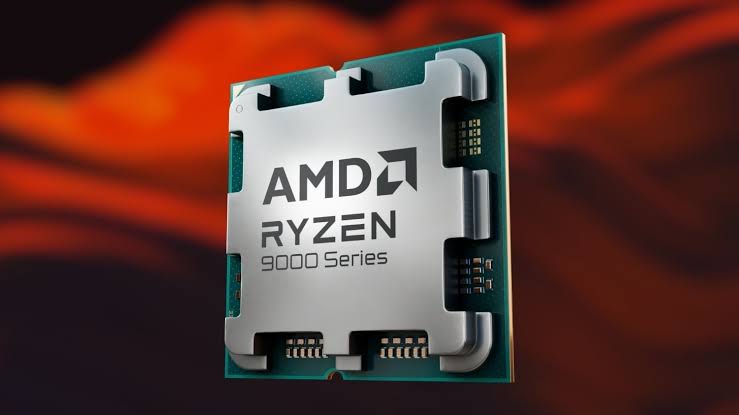
AMD continued to gain ground against Intel during the second quarter of 2026, reaching record x86 processor market share while increasing its position across desktop, mobile, client, and server categories.
Overall x86 processor shipments, including IoT and system on chip products, placed AMD at 34.1 percent market share during the quarter. That was up from 32.6 percent in the previous quarter and represented a 4.7 percentage point increase compared with the same period last year.
Intel remained the clear market leader with 65.9 percent of overall x86 shipments, but its position declined from 67.4 percent during the previous quarter and 70.6 percent one year earlier.
The wider processor market also performed better than expected. Combined x86 and Arm CPU shipments increased by more than 10 percent compared with the previous quarter, going against typical seasonal patterns.
AMD passes 30 percent of the x86 client CPU market
One of AMD's biggest milestones came in the client processor segment, which combines desktop and laptop CPUs while excluding IoT and SoC products.
AMD reached 30.3 percent client market share during the second quarter, passing the 30 percent level for the first time. Intel held the remaining 69.7 percent.
AMD also recorded its highest total unit shipments to date.
| CPU segment | AMD share in Q2 2026 | Intel share in Q2 2026 | AMD quarterly change |
|---|---|---|---|
| Overall x86 | 34.1% | 65.9% | Up 1.5 points |
| Client | 30.3% | 69.7% | Record level |
| Desktop | 34.9% | 65.1% | Up 1.8 points |
| Mobile | 28.9% | 71.1% | Up 0.6 points |
| Server | 34.5% | 65.5% | Up 1.3 points |
Desktop processors remained one of AMD's strongest client categories. Its share increased to 34.9 percent, gaining 1.8 percentage points from the previous quarter.
AMD's mobile processor share also improved, reaching 28.9 percent after increasing by 0.6 percentage points sequentially.
The gains came during a difficult period for desktop PC shipments. Industry wide desktop CPU shipments reportedly dropped by more than 20 percent compared with the previous year as higher PC prices, limited GPU availability, and seasonal conditions affected demand.
AMD still experienced weaker desktop shipments, but its decline was smaller than Intel's, allowing it to gain additional market share.
EPYC continues to strengthen AMD's server position
AMD also recorded significant progress in server processors.
Its x86 server CPU share, excluding IoT products, increased to 34.5 percent. That represented a 1.3 percentage point gain from the previous quarter and an increase of 7.3 percentage points compared with the same quarter last year.
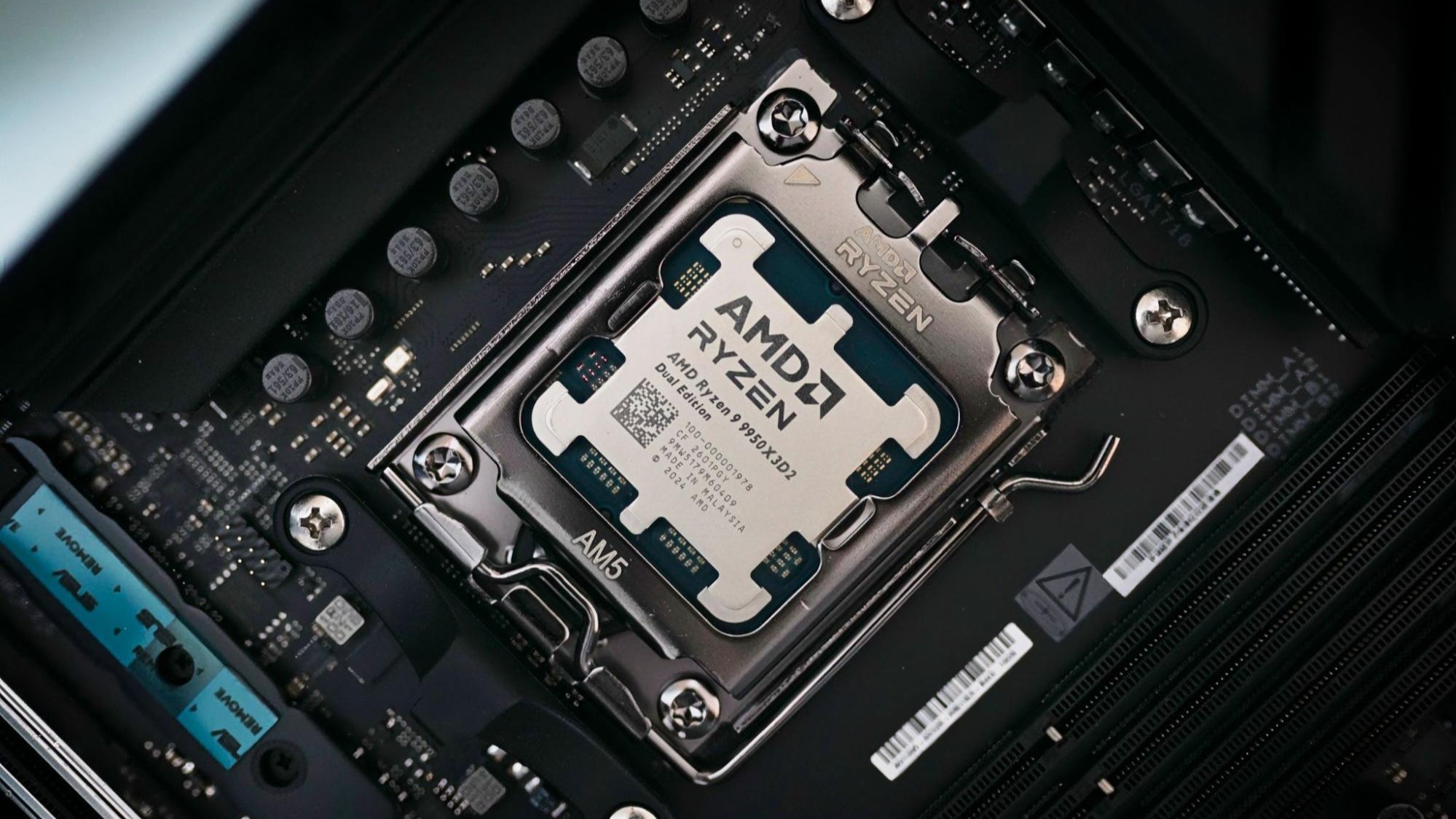
Intel retained 65.5 percent of the server market under the same measurement.
The overall x86 server processor market remained healthy, with shipments growing nearly 20 percent year over year. Demand increased for both AMD EPYC and Intel Xeon SP processors, alongside networking and storage products.
When the comparison is narrowed specifically to EPYC and Xeon SP processors, AMD's estimated share rises considerably to 46.4 percent. That calculation removes some additional server related products that can affect broader market share figures.
Intel nevertheless continues to post strong business results of its own. The company recently reported its strongest revenue growth in 15 years, while year over year server growth reached a company record during the second quarter.
Xeon 6 is also seeing rapid adoption, and Intel said revenue from its AI PC products increased 26 percent sequentially. AI PC hardware now represents roughly two thirds of Intel's client revenue mix.
AMD's latest numbers therefore do not mean Intel has lost its leading position. Intel still controls the majority of every major x86 CPU category. However, AMD's gains across desktop, laptops, servers, and the overall x86 market show that the gap between the two companies continues to narrow.

Discussion (0)
Be the first to comment.