



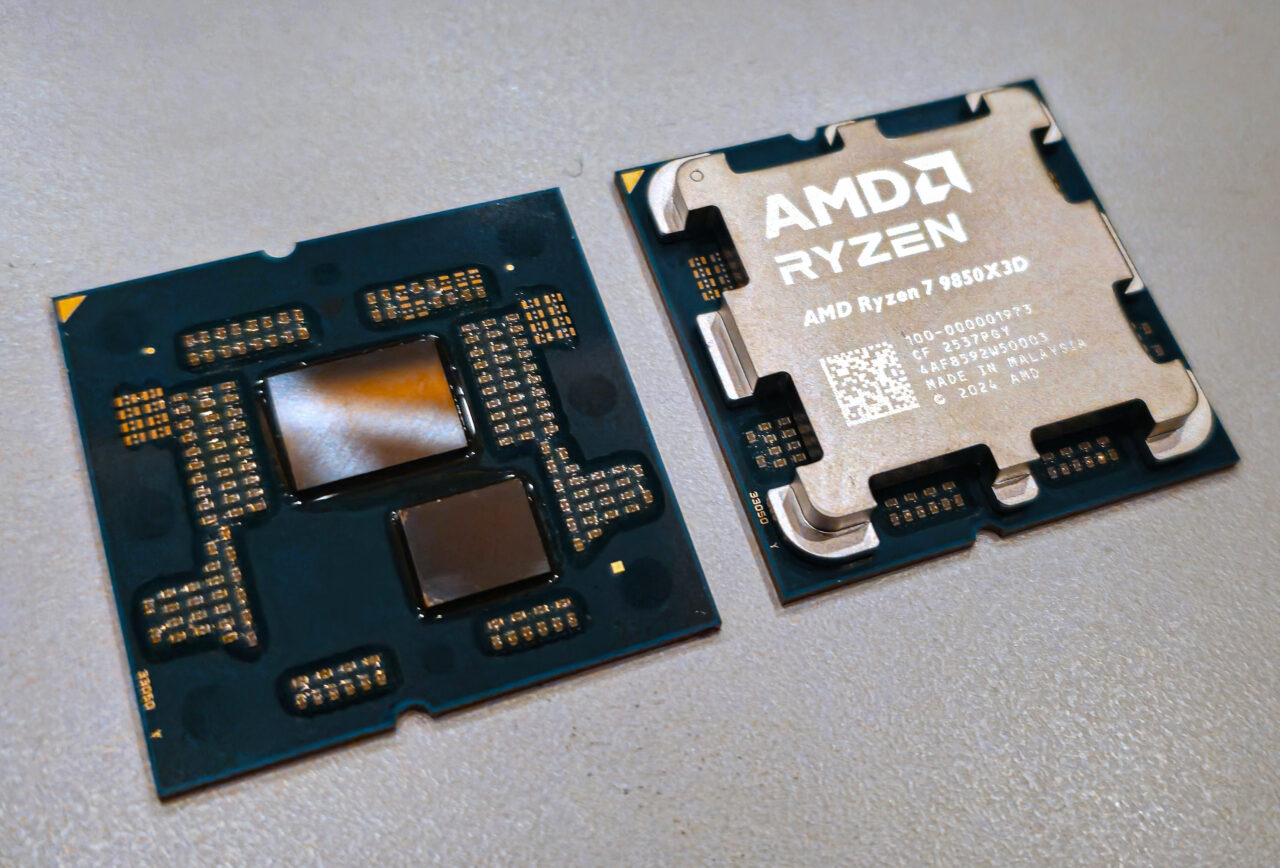
AMD has reached nearly 45 percent CPU share among Windows gaming PCs in the latest Steam Hardware Survey, showing that Ryzen continues to gain ground against Intel’s long standing lead. The May 2026 data lists AMD at 44.97 percent on Windows systems, while Intel remains ahead at 55.02 percent.
Across all platforms tracked by Steam, AMD’s CPU share is slightly higher at 46.06 percent. That is a notable result for a company that spent many years far behind Intel in the PC gaming space. Intel still leads overall, but AMD has been steadily narrowing the gap.
The month to month shift is also important. Intel dropped by 0.79 percentage points compared with April, while AMD gained the same amount. At the start of 2026, AMD held 43.34 percent, while Intel was at 56.64 percent. That means AMD has gained more than one and a half percentage points in only a few months.
Steam’s survey is not a complete picture of the entire PC market, since it is based on participating Steam users. Still, it is one of the most watched indicators for gaming hardware trends, especially because Steam remains the main platform for PC gaming.
Ryzen’s long term comeback is now visible in gaming PCs
AMD’s rise did not happen suddenly. The company began rebuilding its CPU reputation with the first Ryzen chips in 2017. Before that, Intel had dominated gaming PCs for years with stronger single thread performance, better efficiency, and a much larger installed base.
Ryzen changed the direction of the market by offering more cores, better value, and improving gaming performance over several generations. AMD then strengthened its position with 3D V Cache chips, which became especially popular among gamers because they often deliver strong frame rates without needing extreme power draw.
| Steam CPU share | May 2026 result |
|---|---|
| AMD share across all platforms | 46.06 percent |
| AMD share on Windows PCs | 44.97 percent |
| Intel share on Windows PCs | 55.02 percent |
| AMD Windows share in January 2026 | 43.34 percent |
| Intel Windows share in January 2026 | 56.64 percent |
| Monthly movement | AMD up 0.79 points, Intel down 0.79 points |
The X3D lineup has become one of AMD’s strongest weapons in gaming. Chips such as the Ryzen 7 5800X3D helped prove that extra cache could deliver meaningful gaming gains. AMD has since expanded the approach across newer and older platforms, giving gamers multiple upgrade paths.
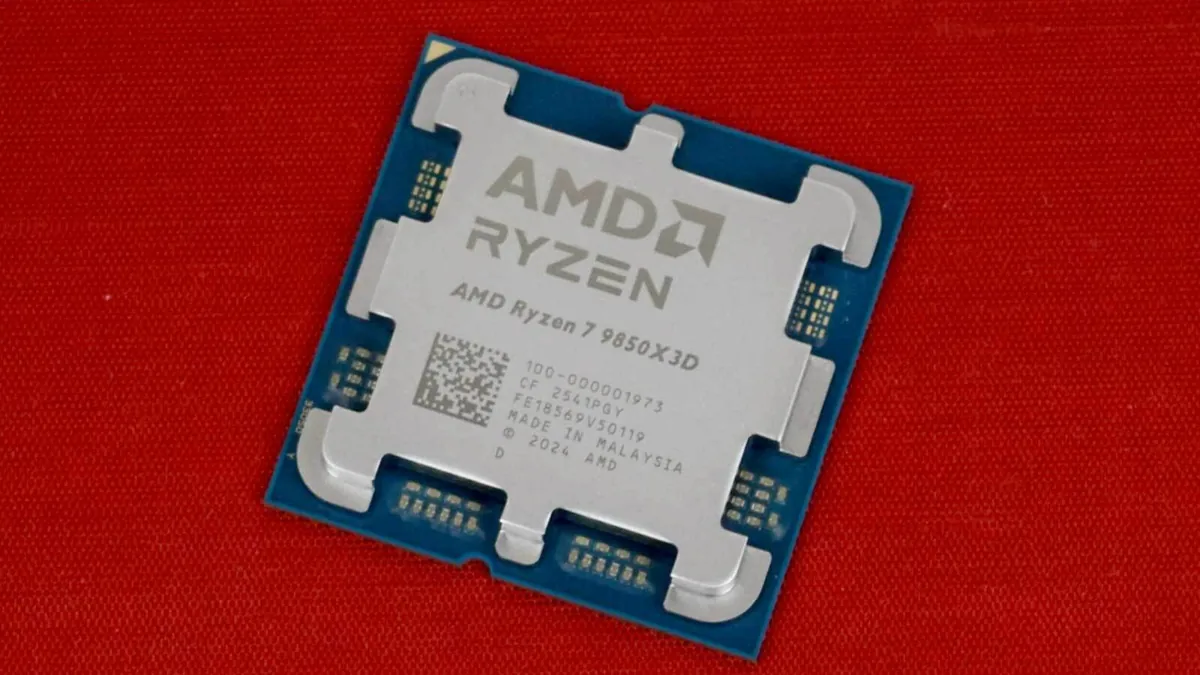
That strategy matters because many PC gamers do not upgrade their entire system at once. A strong drop in CPU upgrade, especially on an existing motherboard platform, can keep AMD systems relevant for longer and make Ryzen more attractive to buyers looking for practical performance.
Intel still leads, but the gap is smaller than before
Intel’s lead remains significant because of its huge legacy presence. Many gaming PCs, laptops, and prebuilt systems still use Intel processors, and that installed base will not disappear quickly. Intel also remains competitive, especially in mobile systems, where efficiency, platform support, and OEM partnerships matter heavily.
The company’s newer and upcoming platforms are also important. Panther Lake is expected to strengthen Intel’s mobile lineup, while Nova Lake is being positioned as a major desktop generation. If Intel executes well, it could slow AMD’s gains or even regain some share among new gaming systems.
But the current Steam numbers show that Intel no longer has the kind of comfortable dominance it once had in gaming CPUs. AMD is close enough that the market now looks genuinely competitive.
This is good for PC buyers. When both companies are under pressure, pricing improves, platform features improve, and performance moves forward more quickly. The modern CPU market is far healthier than it was during the years when Intel had very little serious desktop competition.
AMD’s gaming success now mirrors its server momentum
AMD’s gaming CPU growth also comes as the company has made major progress in the server market with EPYC processors. The report notes that AMD has reached a similar share in server x86 CPU revenue, with EPYC continuing to pressure Intel in data centers.
That matters because AMD’s CPU business is no longer dependent on only one market. Ryzen gives it strength with consumers and gamers, while EPYC gives it momentum in servers. The same Zen architecture strategy has helped AMD build credibility across both areas.
For gamers, the practical takeaway is simple. AMD is no longer the smaller alternative that only competes on price. Ryzen has become a mainstream choice, and in many gaming builds, especially with X3D chips, it is often the preferred option.
Intel still has a strong position, and the next round of desktop and laptop CPUs could shift the balance again. But the May 2026 Steam Hardware Survey shows a clear trend: AMD keeps climbing, Intel’s lead keeps shrinking, and the CPU market is more competitive than it has been in years.



Discussion (0)
Be the first to comment.