



AMD is investing more than $10 billion across Taiwan’s technology ecosystem as it prepares to scale its next generation AI infrastructure. The investment will support advanced packaging, manufacturing partnerships, and the rollout of Helios AI racks powered by 6th Gen EPYC Venice CPUs and Instinct MI450X GPUs.
This story is connected to the earlier AMD Venice news, but it is not the same update. The previous report focused on EPYC Venice entering volume production on TSMC’s 2nm process. This one focuses on AMD’s Taiwan investment, Helios rack scale systems, and the supply chain needed for large AI deployments.
AMD says the Helios platform is on track for multi gigawatt deployments beginning in the second half of 2026. The racks are designed for AI workloads and combine Venice server CPUs with MI450X accelerators. The company is also working with several Taiwan based partners, including Sanmina, Wiwynn, Wistron, Inventec, SPIL, PTI, Unimicron, AIC, Nan Ya PCB, and Kinsus.
AMD is putting money into packaging and manufacturing capacity as AI demand keeps rising
The investment shows how important packaging and supply capacity have become in the AI market. Faster chips matter, but companies also need enough systems to ship at scale. AMD is focusing on advanced packaging technologies that can improve bandwidth, power efficiency, and deployment speed for AI infrastructure.
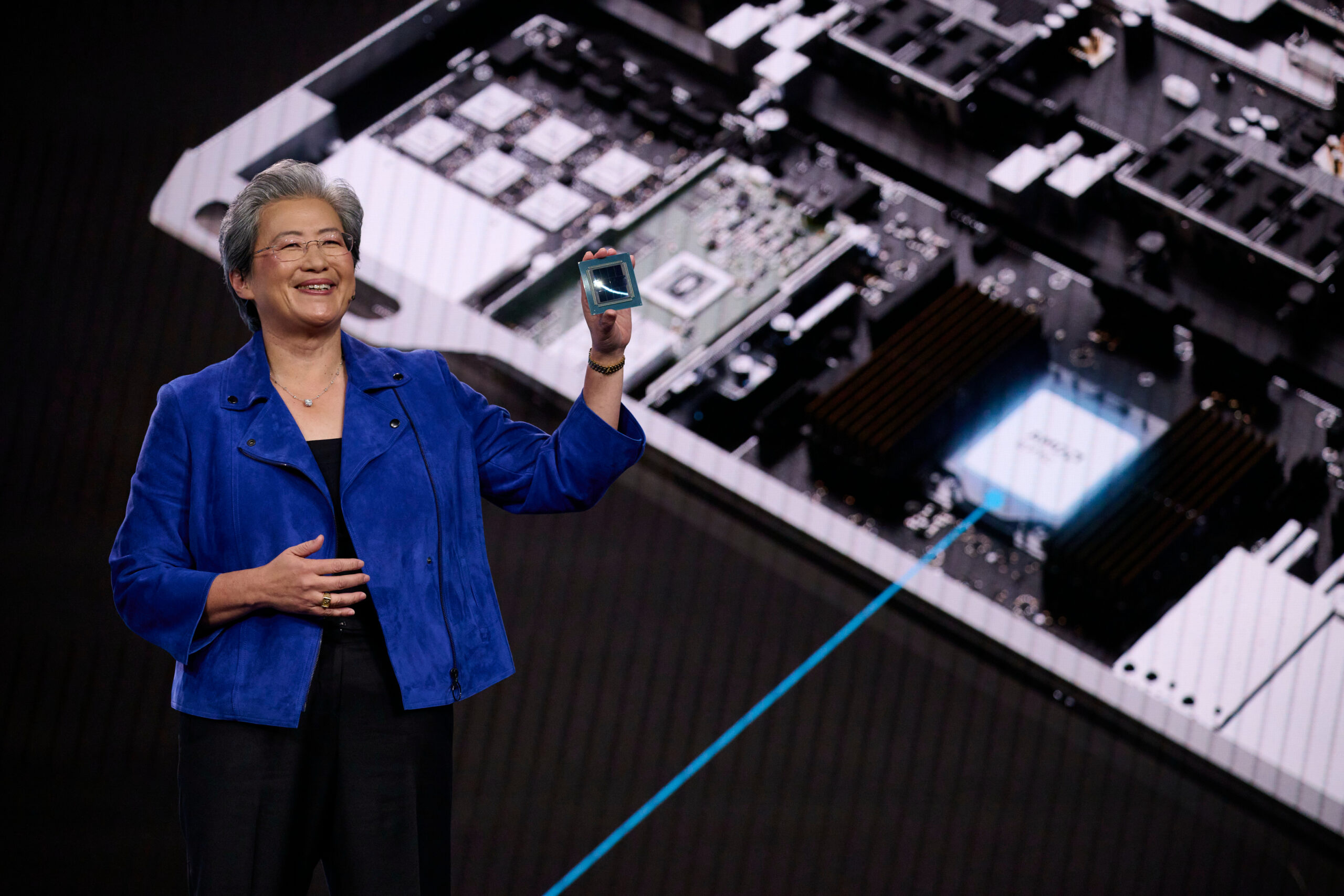
A key part of the plan is EFB based 2.5D packaging. AMD says this technology can increase interconnect bandwidth and improve power efficiency for Venice CPUs. The company is also working with PTI on panel based EFB interconnects, which are meant to support high bandwidth connections at larger scale.
| Area | AMD’s plan |
|---|---|
| Investment size | More than $10 billion |
| Main region | Taiwan |
| Target platform | Helios AI racks |
| Key CPU | 6th Gen EPYC Venice |
| Key GPU | Instinct MI450X |
| Deployment target | Multi gigawatt rollouts from second half of 2026 |
| Focus technology | Advanced packaging and 2.5D interconnects |
| Main goal | Faster and more efficient AI infrastructure at scale |
AMD CEO Lisa Su said the company is using its high performance computing experience and Taiwan partnerships to help customers deploy next generation AI systems faster. The company is also using its chiplet, high bandwidth memory, 3D hybrid bonding, and rack scale design experience as part of the broader push.
The timing is important because AI infrastructure demand is growing quickly, especially for inference workloads. AMD has already started sampling MI450 GPUs and has also engaged customers on MI500, according to the report. With Venice, MI450X, and Helios, AMD is trying to compete more directly in large AI data center deployments where supply, efficiency, and full rack integration matter as much as chip performance.

Discussion (0)
Be the first to comment.