



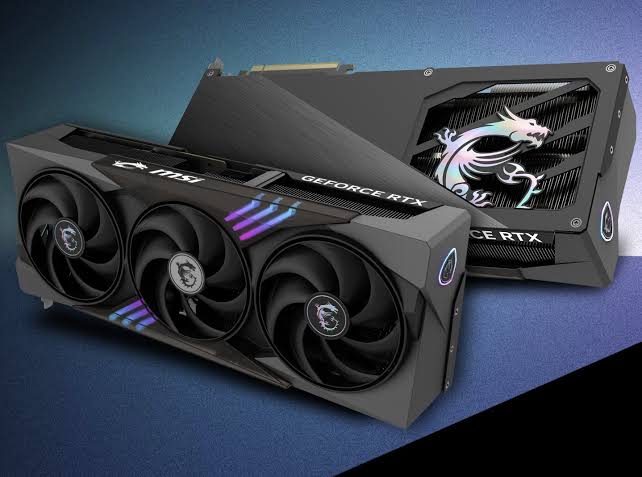
An Amazon customer reportedly ordered an MSI GeForce RTX 5080 graphics card for nearly $1,400 but received a vacuum mug instead, along with a pamphlet that appeared to be designed to delay the buyer until the refund window became harder to use.
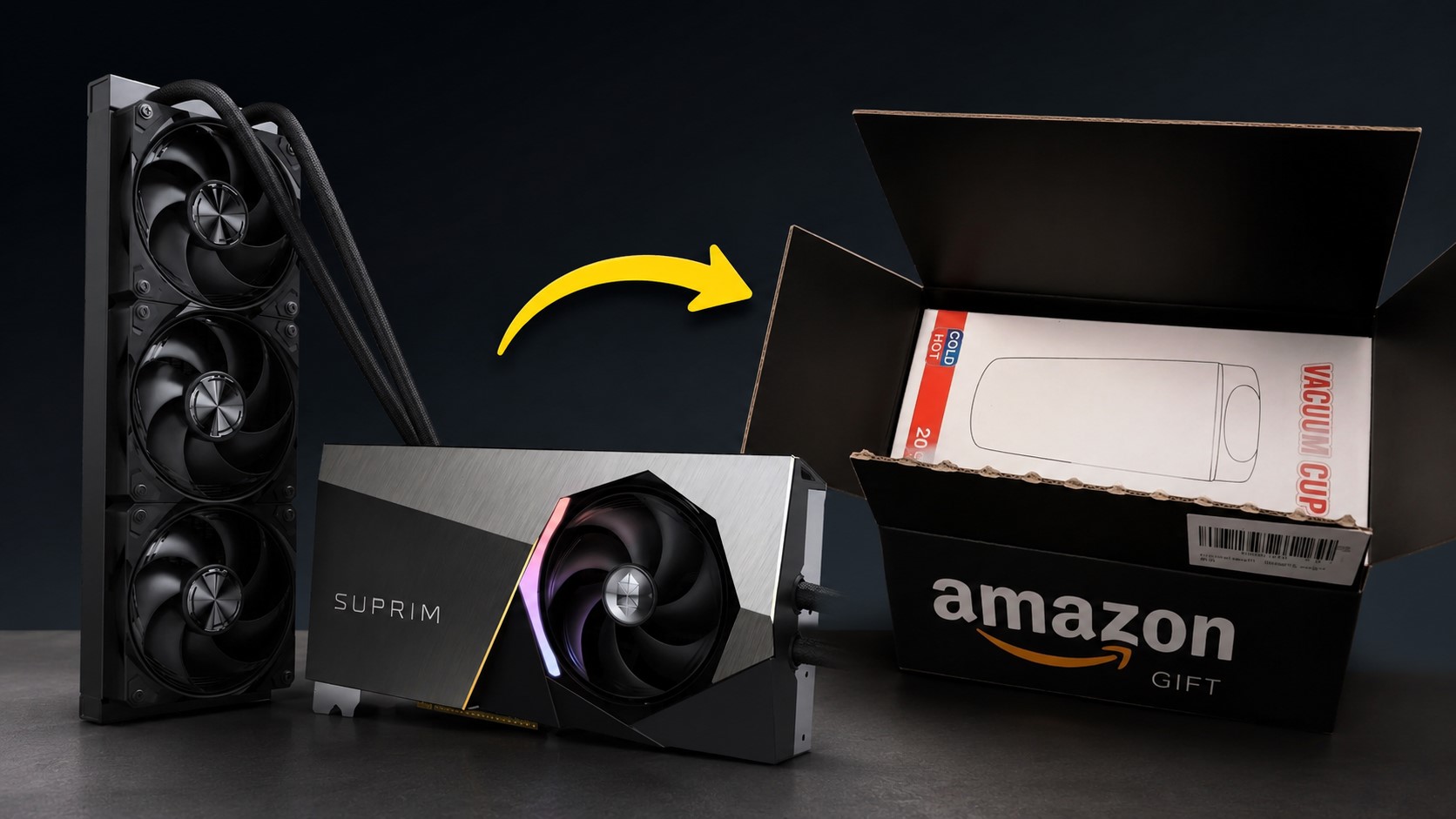
The order was placed through a third party seller rather than directly through Amazon. The customer had purchased an MSI Gaming RTX 5080 16G SUPRIM Liquid SOC model, paying above the GPU’s base MSRP.
When the package arrived, there was no graphics card inside.
Seller Claimed the Mug Was a Temporary Gift
Instead of an RTX 5080, the customer found a vacuum mug in a generic package.
The box also contained a pamphlet claiming the mug was a gift and that the actual graphics card would arrive separately in about seven days.
| Detail | Information |
|---|---|
| Ordered product | MSI Gaming RTX 5080 16G SUPRIM Liquid SOC |
| Reported price | Nearly $1,400 |
| Seller type | Third party seller |
| Item received | Vacuum mug |
| Seller explanation | Mug was supposedly a gift |
| Claimed GPU delivery | Around seven days later |
| Refund contact | Fake Amazon themed email |
| Customer response | Initiated refund process |
At first glance, the note attempted to make the situation appear like a shipping delay rather than a fraudulent order.
A closer look raised several warning signs.
The pamphlet instructed the customer to contact an email address using the domain AmazonService.xyz if they did not want to wait and wanted a refund. That address was not an official Amazon contact.
Fake Refund Email Was a Major Warning Sign
The email address was one of the clearest indicators that the package was not part of a legitimate Amazon shipping process.
The message reportedly told the buyer that the GPU should arrive within seven business days. If the customer preferred a refund, they were directed to contact the fake email address instead of using Amazon’s normal order and refund system.
That approach could potentially encourage a buyer to communicate outside Amazon while valuable time passes.
The report suggests that the goal may have been to delay the customer long enough to complicate the legitimate return or refund process.
Fortunately, the customer reportedly recognized the problem and began the proper refund procedure through Amazon.
Third Party Seller Listings Require Extra Attention
The case also highlights the importance of checking who actually sells and fulfills expensive hardware listings.
Amazon product pages can include offers from third party sellers alongside products sold directly by Amazon. A listing appearing on Amazon does not automatically mean Amazon itself is the seller.
For expensive components such as graphics cards, checking both the seller and fulfillment information can reduce the risk of dealing with questionable listings.
In this case, the seller name shown on the product page was Vividcrate, which should have prompted additional scrutiny before placing such an expensive order.
That does not mean every third party seller is unreliable, but high value PC hardware is an attractive target for marketplace scams.
Expensive GPUs Remain Attractive Targets
Graphics card scams have appeared in several forms over the years, including swapped products, empty packages, incorrect items, and misleading marketplace listings.
This case was unusual because the seller allegedly did not attempt to disguise the vacuum mug as a graphics card. Instead, the included note tried to convince the customer that the wrong item was intentional and temporary.
The safest response to a similar situation is to keep all communication and refund activity within the retailer’s official system rather than using email addresses, phone numbers, or websites included inside a suspicious package.
For this buyer, the nearly $1,400 RTX 5080 never arrived with the original shipment, but the suspicious vacuum mug and fake refund instructions were recognized before the situation could progress further.

Discussion (0)
Be the first to comment.