



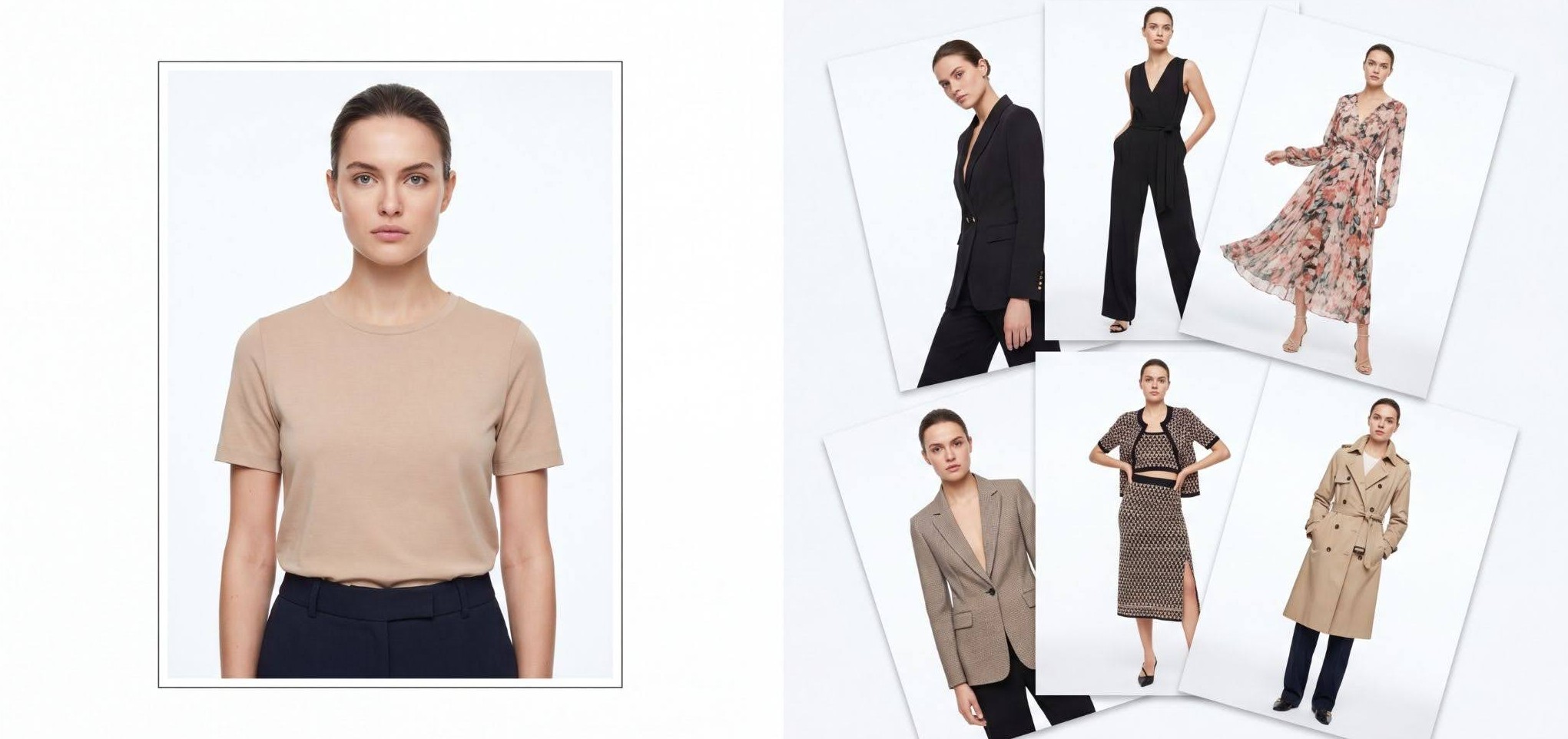
For decades, getting clothing in front of an audience meant booking a model, a photographer, a studio, and a stylist — sometimes all four at once. The output was good, but the access was narrow. Small brands, independent designers, and solo content creators either paid for that infrastructure or made do without it.
That calculus is starting to shift.
The Real Cost Was Never Just the Shoot
A single outfit on a model, properly photographed, involves more moving parts than the final image suggests. Scheduling, location, lighting setup, post-production — and then doing it again for the next product, and the one after that.
For larger brands with dedicated teams and production budgets, this is a manageable cost of doing business. For everyone else, it has historically been a bottleneck. Not a creative one — the ideas were there — but a logistical one. The pipeline was expensive to run, so only certain players could run it regularly.
What AI Outfit Try-On Actually Changes
The technology that's gaining ground isn't about generating fictional models from thin air. The more useful development is subtler: taking a single real photo and using it as the foundation for multiple styled looks, without reshooting anything.
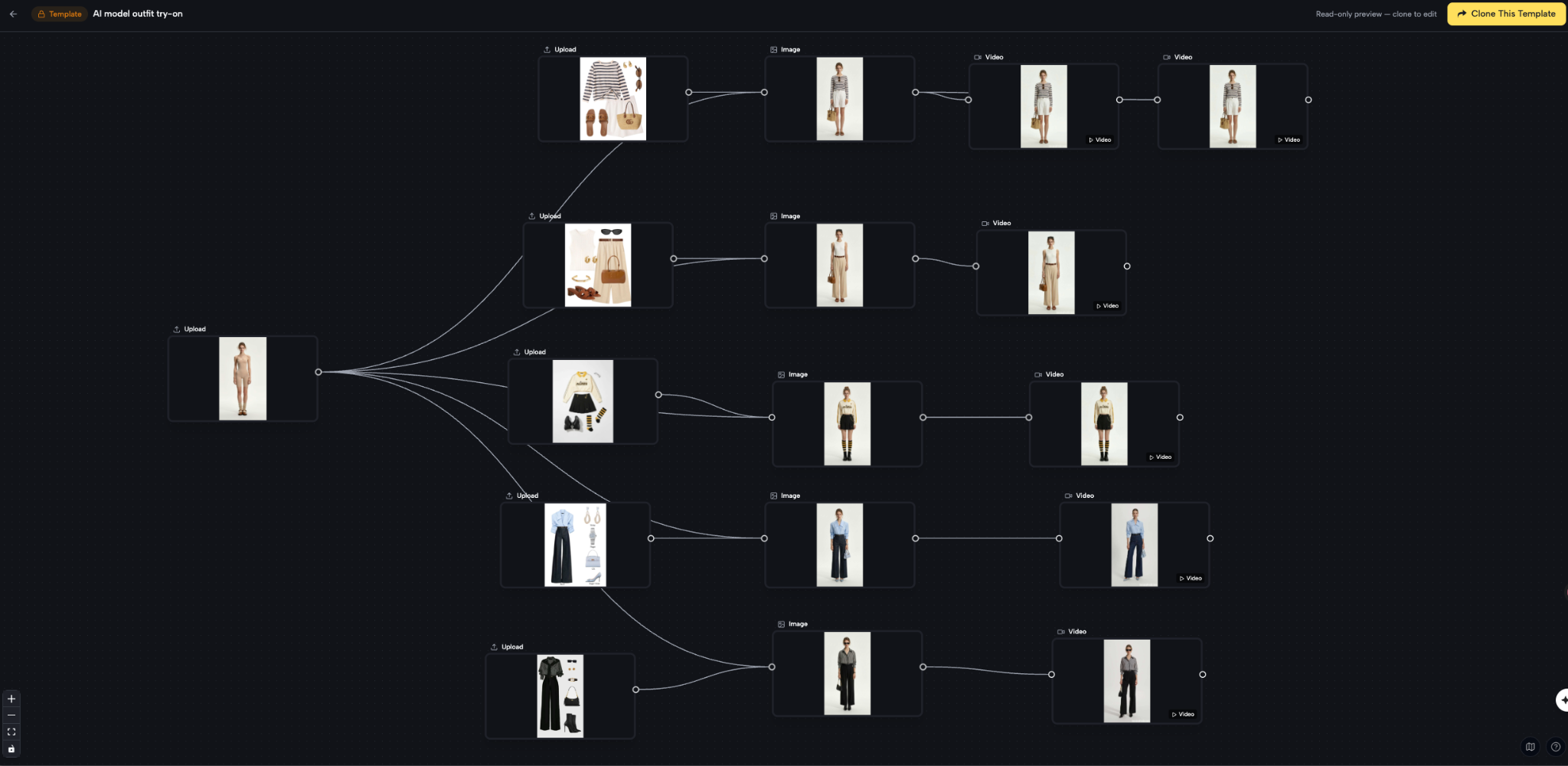
The practical implication is significant. One model photo, uploaded once, can branch into five separate outfit variations — each generating a styled image and a short video — running in parallel, in roughly an hour. Tools built around this kind of workflow, like Banana Pro AI's Workflow Studio, make it possible to run those paths simultaneously on a visual canvas rather than managing each one as a separate session.
The number worth sitting with isn't the hour. It's the five. Five complete on-model looks, with video, without a second shoot.
The Shift in Production Logic
What's actually changing isn't just speed or cost — it's the sequence in which creative decisions get made.
Traditional fashion photography is shoot-first: you commit to a direction, execute it, and live with the results. The cost of the shoot creates pressure to get it right before the camera comes out.
AI-assisted workflows invert this. Visual directions can be tested before any real production begins. A brand can run five outfit variations, see what works, and only then decide which looks are worth a proper shoot. Banana Pro AI output isn't the final product — it's an informed starting point.
This changes what "pre-production" means, and it changes who can afford to do it seriously.
Where the Limits Still Are
The results are not uniform, and the gap between good input and weak input shows up clearly in the output.
Complex patterns — dense prints, fine stripes, intricate embroidery — don't transfer as cleanly as solid colors or simple textures. Flat-lay images with inconsistent lighting produce weaker results than clean, well-lit product photos. The model's face and proportions tend to stay consistent across variations, but the quality of what it's working from still matters.
This is not a tool for luxury campaign production. The honest category is somewhere between mood board and content draft — good enough to test a direction, useful enough to post, not a substitute for a photographer when the stakes are high.
Who This Opens the Door For
Professional fashion photography isn't going away. But the floor of what's possible without it is rising.
Independent brands that couldn't justify the cost of regular shoots now have a practical path to styled, on-model visuals. Content creators working alone can produce multiple looks without coordinating a team. Stylists can put together visual references that actually show the clothes on a body, not just folded on a table.
The industry isn't being replaced. It's being joined — by a much larger group of people who previously couldn't participate in it at all.
That's the change worth paying attention to.


Discussion (0)
Be the first to comment.