



Acer Chairman Chen Chun sheng expects PC pricing conditions to begin improving in the second half of 2027, offering a more optimistic outlook than some recent forecasts that suggest component shortages could remain severe for years.
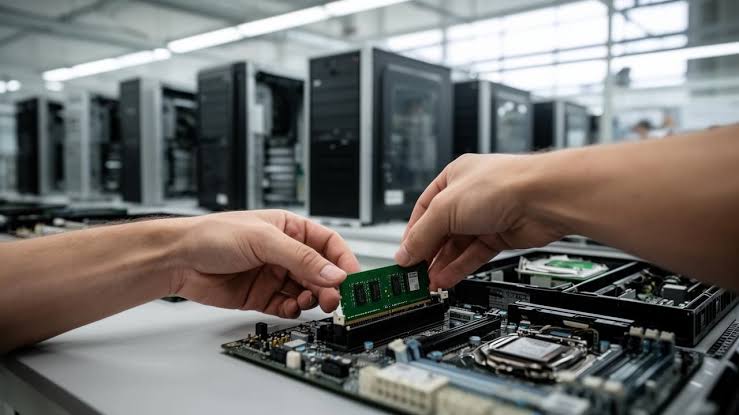
According to Chen, memory supply has already started to stabilize for Acer, although shortages remain in other parts of the supply chain, especially for midrange and lower end processors.
He still expects PC prices to rise further before conditions improve.
PC prices could keep rising through late 2026
Acer expects pricing pressure to continue in the near term.
Chen believes PC prices could increase by roughly 5 percent to 20 percent during the fourth quarter of 2026.
That range reflects ongoing pressure from components that remain expensive or difficult to source.
| Market factor | Current outlook |
|---|---|
| DDR4 supply | Beginning to stabilize |
| DDR5 supply | Beginning to stabilize |
| Midrange and low end CPU supply | Still constrained |
| High end graphics memory | Expensive and limited |
| Q4 2026 PC pricing | Could rise 5 to 20 percent |
| Expected turning point | Around Q3 2027 |
| Broader price recovery | Possible in second half of 2027 |
The company does not expect improvements in upstream component supply to immediately translate into cheaper laptops and desktops.
That delay is important because consumer PC prices are affected by several stages of the supply chain.
Component prices take time to reach consumers
Manufacturers typically purchase components well before finished systems reach store shelves.
Those parts then pass through assembly, logistics, distribution and retail before buyers see the final product.
As a result, a decline in memory or processor pricing may take several months to influence the price of complete PCs.
This helps explain why Acer can see improving memory availability while consumer prices remain elevated.
Even if DDR4 and DDR5 supply continues to normalize, systems already being manufactured may still reflect earlier, more expensive component contracts.
Memory is improving, but other shortages remain
Acer's comments suggest that the memory market is becoming less constrained from the company's perspective.
That is an encouraging signal because memory costs have been one of the major contributors to rising PC prices.
However, not every part of the market is improving at the same pace.
Acer still sees limited availability for lower and midrange CPUs.
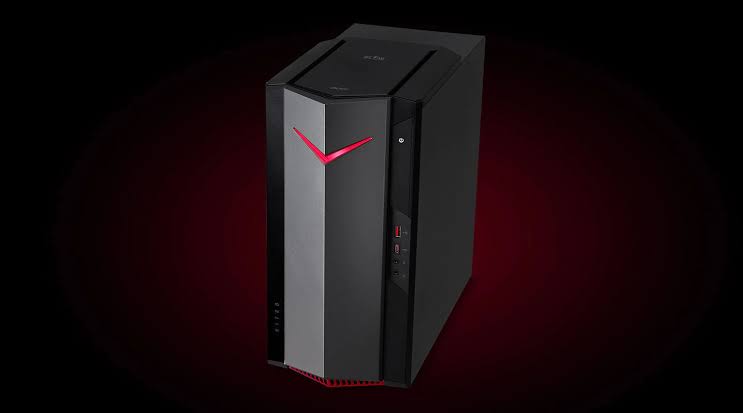
These processors are important because they appear in large volumes across mainstream desktops and laptops.
Shortages in that segment can therefore have a significant effect on the broader PC market, even if premium processor supply is less constrained.
High end graphics memory is another problem.
Demand from AI infrastructure and other high performance applications continues to place pressure on advanced memory products, contributing to higher GPU costs.
Q3 2027 could mark the beginning of a decline
Chen expects pricing to reach a turning point around the third quarter of 2027.
If that forecast proves accurate, the first half of next year could still remain expensive before stronger supply finally begins to reduce pressure.
The expected improvement does not necessarily mean PC prices will suddenly return to earlier levels.
Instead, it suggests that the market could stop climbing and gradually begin moving downward.
Holiday promotions in late 2026 may still provide temporary discounts, but those sales would not necessarily represent a broader change in underlying component costs.
Acer rejects the idea of a decade long shortage
Some industry forecasts have suggested that memory and other component pressures could persist for many years.
Chen was more skeptical of those longer projections, describing the idea of a decade long shortage as unrealistic.
His position appears to be based partly on Acer's own visibility into component supply.
As one of the world's major PC manufacturers, Acer buys large quantities of memory, processors and other hardware, giving it direct exposure to changes in availability and contract pricing.
That does not guarantee the forecast will be correct, but it provides a manufacturer level view of current supply conditions.
The outlook remains uncertain
The PC market is still being influenced by several competing forces.
Memory supply may be improving, but graphics memory remains expensive, CPU availability is uneven and AI infrastructure continues to absorb large amounts of semiconductor capacity.
These conditions make it difficult to predict exactly when consumer pricing will normalize.
For now, Acer's outlook suggests that buyers may have to deal with another period of elevated prices through early 2027.
If supply continues improving and those gains finally reach retail channels, the second half of 2027 could become the first meaningful period of relief for PC buyers.

Discussion (0)
Be the first to comment.