



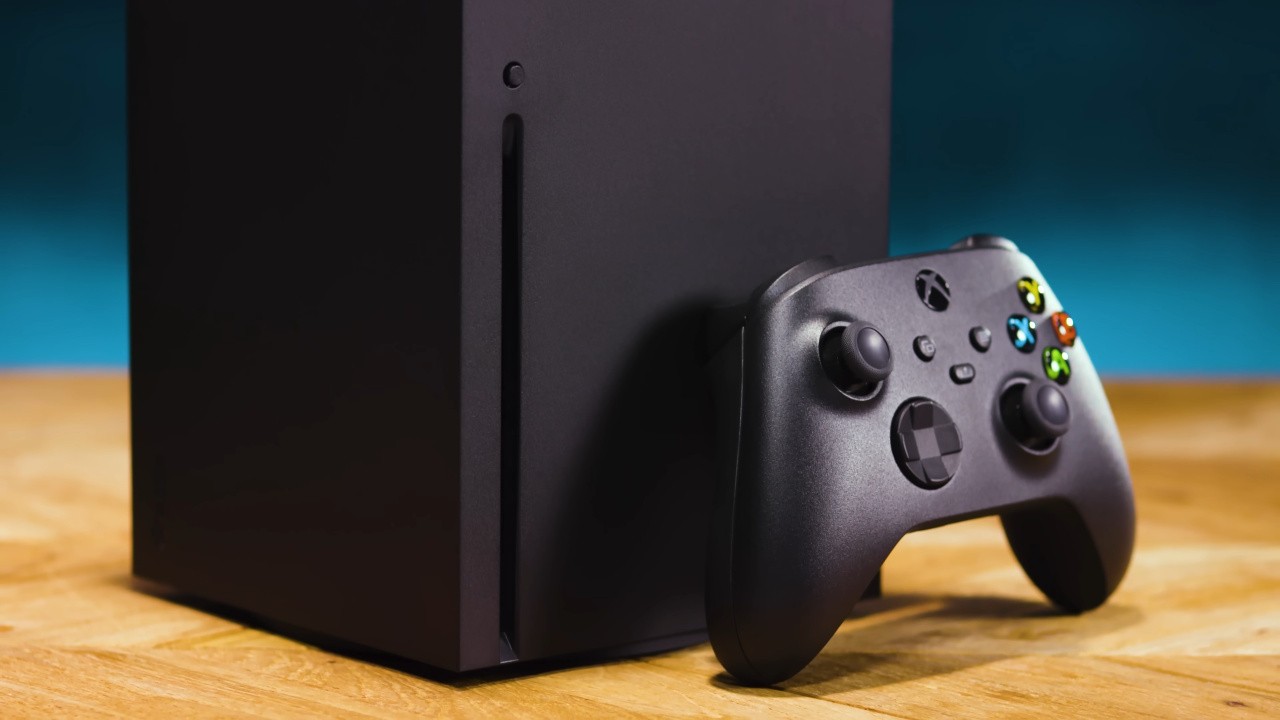
Xbox’s next major hardware challenge may not be graphics power, processor speed, or cloud features. It may be memory. Xbox CEO Asha Sharma says rising RAM and storage costs have become one of the most uncomfortable problems facing the gaming business, especially as Microsoft works on its next generation hardware plans.
The pressure comes from the wider AI boom. Companies building AI systems are buying huge amounts of memory and storage, which has pushed prices up across the technology industry. That is a serious problem for console makers because gaming hardware normally becomes cheaper to produce as a generation gets older. This time, the opposite is happening.
Sharma said that costs which would usually fall at this point in a console cycle are now rising instead. According to her, memory and storage costs are up 2.75 times rather than falling by around 50 percent. She also said those costs rose 50 percent during her first 100 days in the job and may continue climbing.
That puts Xbox in a difficult position. Microsoft is working on Project Helix, its next generation console and PC hybrid system. A machine like that will need strong memory, fast storage, and enough flexibility to support both console style gaming and PC style features. But if component prices keep rising, Microsoft will have to make hard decisions about pricing, performance, and design.
| Xbox hardware issue | Why it matters |
|---|---|
| Rising RAM prices | Makes next generation hardware more expensive to build |
| Higher storage costs | Affects SSD capacity and console pricing |
| AI demand | Competes with gaming hardware for the same components |
| Project Helix | Needs strong specs while staying affordable |
| Console pricing | May become harder to keep consumer friendly |
This is not only an Xbox problem. The entire gaming hardware market is feeling the strain. Console prices have already become more unstable, and handheld gaming PCs have also been affected. Valve’s Steam Deck recently saw a major price hike after stock issues, showing how memory shortages can hit even popular and well established devices.
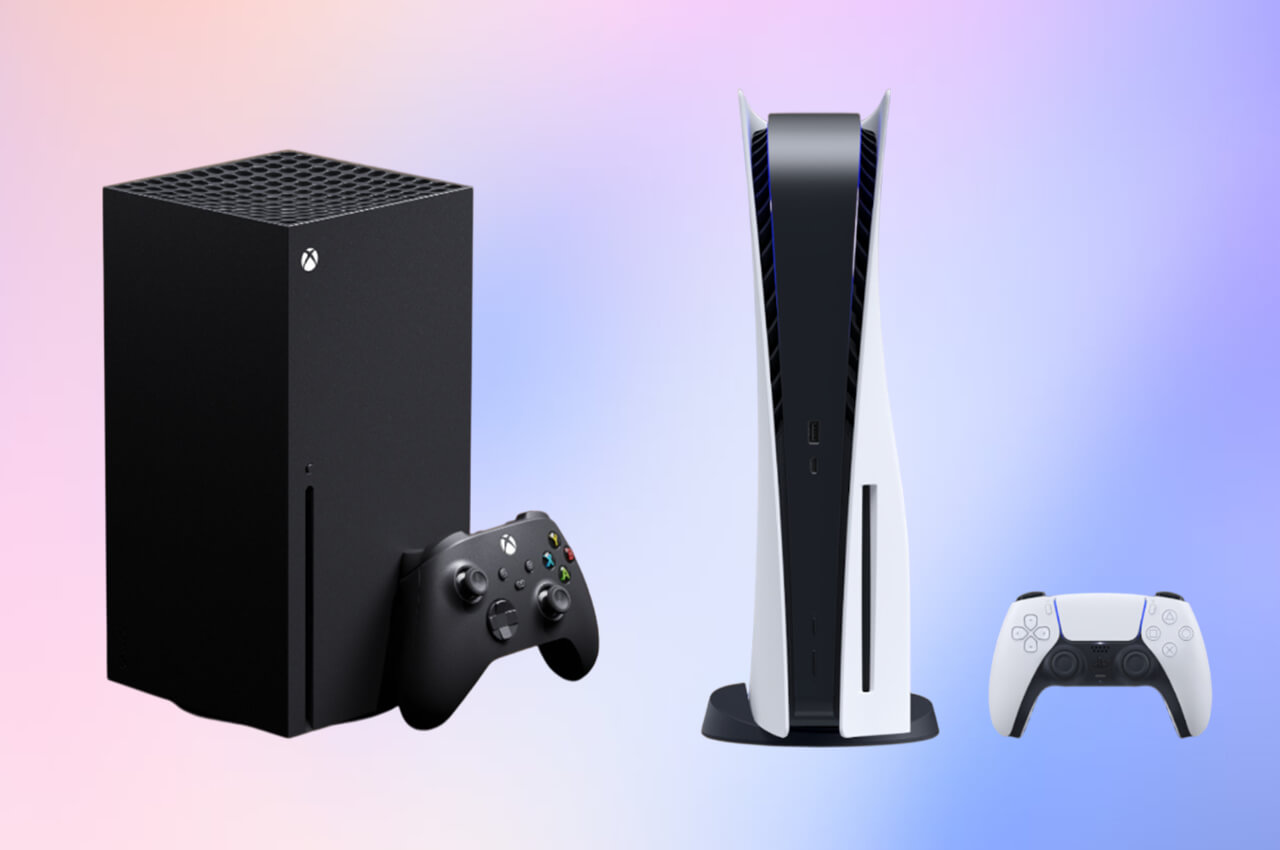
For Microsoft, the challenge is bigger because Xbox is trying to regain attention after years of losing ground to PlayStation in console mindshare. If Project Helix launches at a high price, it could struggle to attract mainstream buyers. If Microsoft cuts too much hardware power to reduce costs, it risks launching a system that feels less exciting than expected.
That is why Sharma described the situation as both a challenge and an opportunity. If Xbox can find a way to build attractive hardware at a reasonable price while competitors face the same memory pressure, Microsoft could gain an advantage. The company may need clever hardware design, strong supplier deals, flexible configurations, or a different approach to storage and memory planning.
The next 100 days could be important because Microsoft needs to decide how to make affordable products in a market where the old rules no longer apply. In the past, console makers could rely on component prices dropping over time. Now AI demand is changing that pattern, and gaming companies have to compete with some of the richest technology firms in the world for the same parts.
This could also affect what players should expect from next generation consoles. More expensive memory may mean smaller storage options, higher launch prices, fewer discounts, or more premium hardware tiers. It may also push companies toward cloud features, modular storage, or hybrid systems that do not depend entirely on one fixed console design.
Xbox has a difficult road ahead. Project Helix needs to feel powerful, modern, and affordable enough to win people back. But memory shortages are making that harder at the worst possible time. If Sharma and her team can solve that problem better than rivals, Xbox could turn a market crisis into a rare hardware advantage.



Discussion (0)
Be the first to comment.