



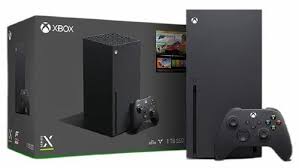
The biggest change is leadership. Asha Sharma is now leading Xbox after Phil Spencer’s retirement, and her first steps have focused on rebuilding the basics. Xbox has already seen new console updates, achievement improvements, a Game Pass price cut, and more public discussion about Project Helix, Microsoft’s next generation console and PC hybrid hardware.
There are still reasons to be cautious. Xbox faces pressure from PlayStation, Steam, rising hardware costs, component shortages, and changing player habits. Microsoft has also made unpopular decisions in recent years, including Game Pass price hikes, mixed messaging around exclusives, and a broader lack of focus that hurt trust.
But if you look at Xbox as a player rather than as an analyst, the platform has plenty going for it.
Xbox now has one of the largest first party portfolios in gaming. Microsoft owns or controls major franchises such as Call of Duty, Diablo, DOOM, Fallout, The Elder Scrolls, Halo, Forza, Gears of War, and World of Warcraft. That gives the ecosystem a much wider content base than it had a decade ago.
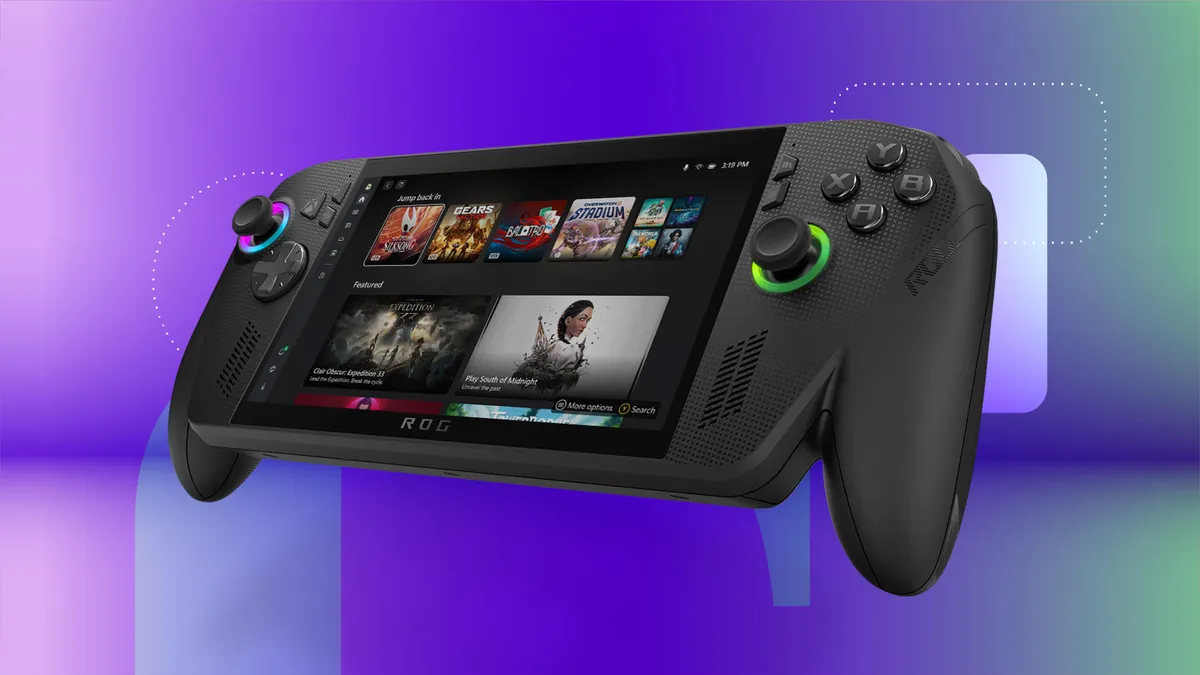
The Xbox Ally and Xbox Ally X have also changed how some players access Xbox games. Xbox Play Anywhere support has become more valuable because it lets you move between console, PC, and handheld more easily. Fallout 4 and The Elder Scrolls Online recently gained support, and more upcoming games are expected to use it too.
Cloud gaming has also improved. It is not perfect, and it still depends on your connection, but single player games now feel much more playable than they used to. With improved streaming quality and a lower Game Pass Ultimate price, cloud gaming is becoming a more practical part of the Xbox ecosystem.
The games lineup also looks strong. Xbox is expected to have major releases such as Fable, Gears: E Day, Halo Campaign Evolved, and Forza Horizon 6. Blizzard games such as Diablo 4, Overwatch, and World of Warcraft continue to receive support, while Fallout 76 and The Elder Scrolls Online remain active.
There is also a healthy third party and indie pipeline. Xbox still receives major games from outside publishers, and ID@Xbox continues to bring smaller releases to the platform. For players already inside the ecosystem, there is no shortage of things to play.
Here is where Xbox stands right now:
| Area | Current state |
|---|---|
| First party games | Stronger than ever after Bethesda, Activision, and Blizzard |
| Game Pass | More attractive again after the recent price cut |
| Xbox Play Anywhere | Growing support across older and newer games |
| Handheld play | Xbox Ally makes the ecosystem more flexible |
| Cloud gaming | Better quality and more useful for single player games |
| Console software | More polished, with updates returning more often |
| Main concern | Long term strategy and Microsoft’s commitment still need clarity |
The problem is not that Xbox has nothing to offer. The problem is trust. Many players are unsure whether Microsoft will stay patient, support consoles properly, and give Xbox a clear identity instead of constantly changing direction.
That is why the next few years matter. Project Helix, first party release quality, Game Pass value, PC app improvements, cloud gaming, and handheld support all need to work together. Xbox cannot rely only on promises. It has to show steady improvement.
Still, the day to day experience is already solid. There are more games, more ways to play, better cross platform support inside the ecosystem, and a stronger content library than Xbox has had in years.
Xbox has made mistakes, and Microsoft deserves criticism for some of them. But the idea that Xbox is dead does not match the current player experience. The brand has problems to solve, yet it also has a stronger foundation than many people give it credit for.

Discussion (0)
Be the first to comment.