



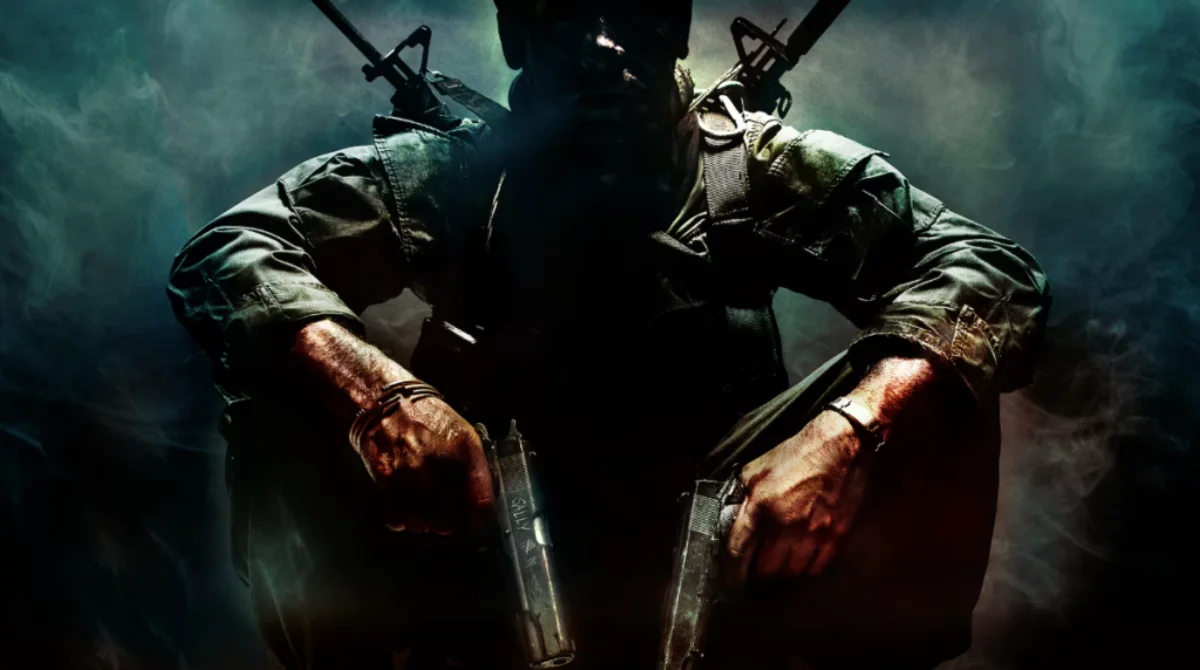
Microsoft may be seeing an unexpected win from the newly released PlayStation ports of Call of Duty: Black Ops and Black Ops 2. The two classic entries were recently shadow dropped on PlayStation consoles, and early store activity suggests that players are buying them in large numbers despite the ports offering only limited improvements over the original versions.
The situation is unusual because Xbox now owns Activision, which means any strong sales on PlayStation still benefit Microsoft’s gaming division. That makes the release a clear example of Xbox’s broader publisher strategy. Even when a game is not pushing Xbox hardware directly, it can still generate revenue through other platforms.
The ports reportedly climbed high on the PlayStation Store, even trending above GTA 6 over the weekend. That comparison should be treated carefully because GTA 6 is still a preorder while Black Ops 1 and Black Ops 2 are newly available releases, but the visibility is still notable for games that originally launched more than a decade ago.
Strong PlayStation demand shows the value of older Call of Duty games
Exact player numbers have not been revealed, and the new ports no longer include the in game player count tracker. That means it may be difficult to know precisely how many people are playing. However, one Call of Duty focused account claimed, citing sources familiar with internal player counts, that the new PlayStation ports had more players online than Black Ops 7 across all platforms.
| Detail | Current situation |
|---|---|
| Games | Call of Duty: Black Ops and Black Ops 2 |
| New platform release | PlayStation consoles |
| Owner of Activision | Microsoft |
| Reported store performance | Trending above GTA 6 on PlayStation Store |
| Player count data | Not officially revealed |
| Port quality criticism | Described as a basic 1080p upgrade |
| Xbox availability | Existing versions remain available through backward compatibility |
| Possible missed opportunity | No new native Xbox Series X |
The popularity of these releases shows that there is still strong demand for older Call of Duty experiences. Black Ops 1 and Black Ops 2 remain two of the most remembered games in the series, especially for players who prefer the older multiplayer style, campaign design, Zombies content, or general feel of that era.
At the same time, the ports have been criticized for being basic. Digital Foundry reportedly described the update as a “basic 1080p upgrade,” and the releases do not appear to include major technical improvements, modernized servers, or a full remaster treatment.
That creates an interesting question for Xbox. The older versions of Black Ops 1 and Black Ops 2 are already available on Xbox through backward compatibility, but Microsoft did not release new native Xbox One or Xbox Series X|S ports alongside the PlayStation versions. Given the apparent demand on PlayStation, Xbox may have left extra money on the table by not offering improved native versions for its own audience.
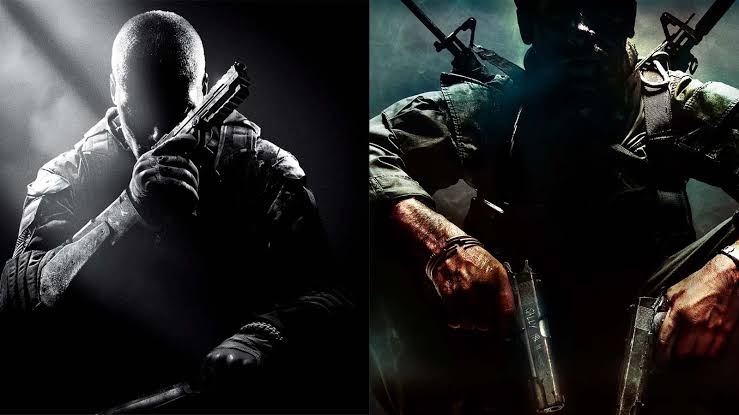
The existing backward compatible versions still have value. Xbox players who already own the discs or digital copies can continue playing them, and that long term support remains one of Xbox’s strongest advantages. But the PlayStation response suggests that many players are willing to pay again for convenient access to older Call of Duty titles, even if the improvements are limited.
Microsoft could learn from this response. There may be room to improve the Xbox versions with higher resolution, better stability, cleaner server access, or optional upgraded ports. Even a modest update could generate interest, especially if paired with a sale or Game Pass availability.
The success also fits the larger shift in Xbox strategy. Microsoft is increasingly acting as a major software publisher across platforms rather than relying only on console exclusives. Releasing old Call of Duty games on PlayStation may not help sell Xbox consoles, but it can still bring in revenue from a huge audience.
For now, the PlayStation ports appear to be a commercial bright spot, even if they are technically modest. The lesson is simple. Players still want older Call of Duty games, and Microsoft is now in a position to profit from that demand across multiple platforms.



Discussion (0)
Be the first to comment.