



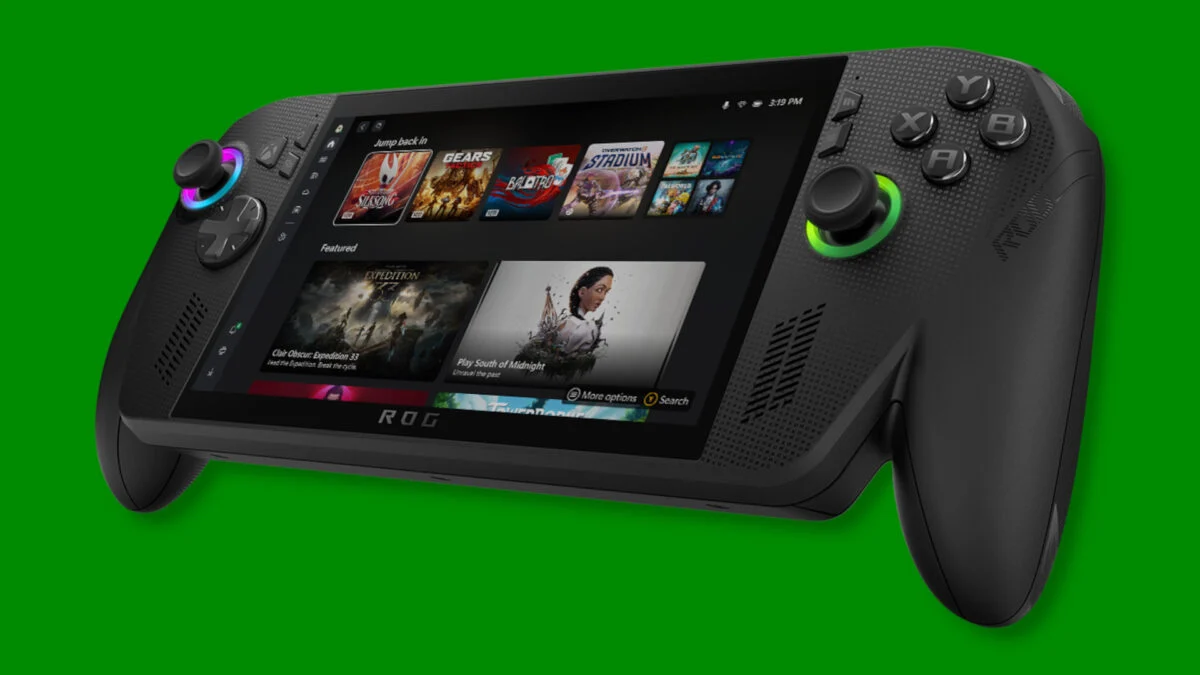
Xbox has stepped away from its plan to bring Microsoft Copilot to consoles, with Xbox boss Asha Sharma saying console players were simply not excited about the feature. The decision removes one of Microsoft’s more visible AI ideas from Xbox Series X and Xbox Series S, even after the company had shown examples of how Copilot could help players inside games.
The original idea was to use Copilot as a gaming assistant. Microsoft had demonstrated scenarios where players could ask the AI for help in titles such as Forza Horizon 5, Diablo 4, and Sea of Thieves. In theory, it could guide you when you were stuck, explain mechanics, or offer advice without forcing you to leave the game and search online.
But Sharma’s comments make it clear that Xbox did not see enough player demand to justify continuing the work. She said her role is to decide where Xbox invests, what it prioritizes, and how it operates. In this case, she decided Copilot on console was not solving a problem that mattered enough to Xbox players.
Xbox is not abandoning AI, but it is changing where AI belongs
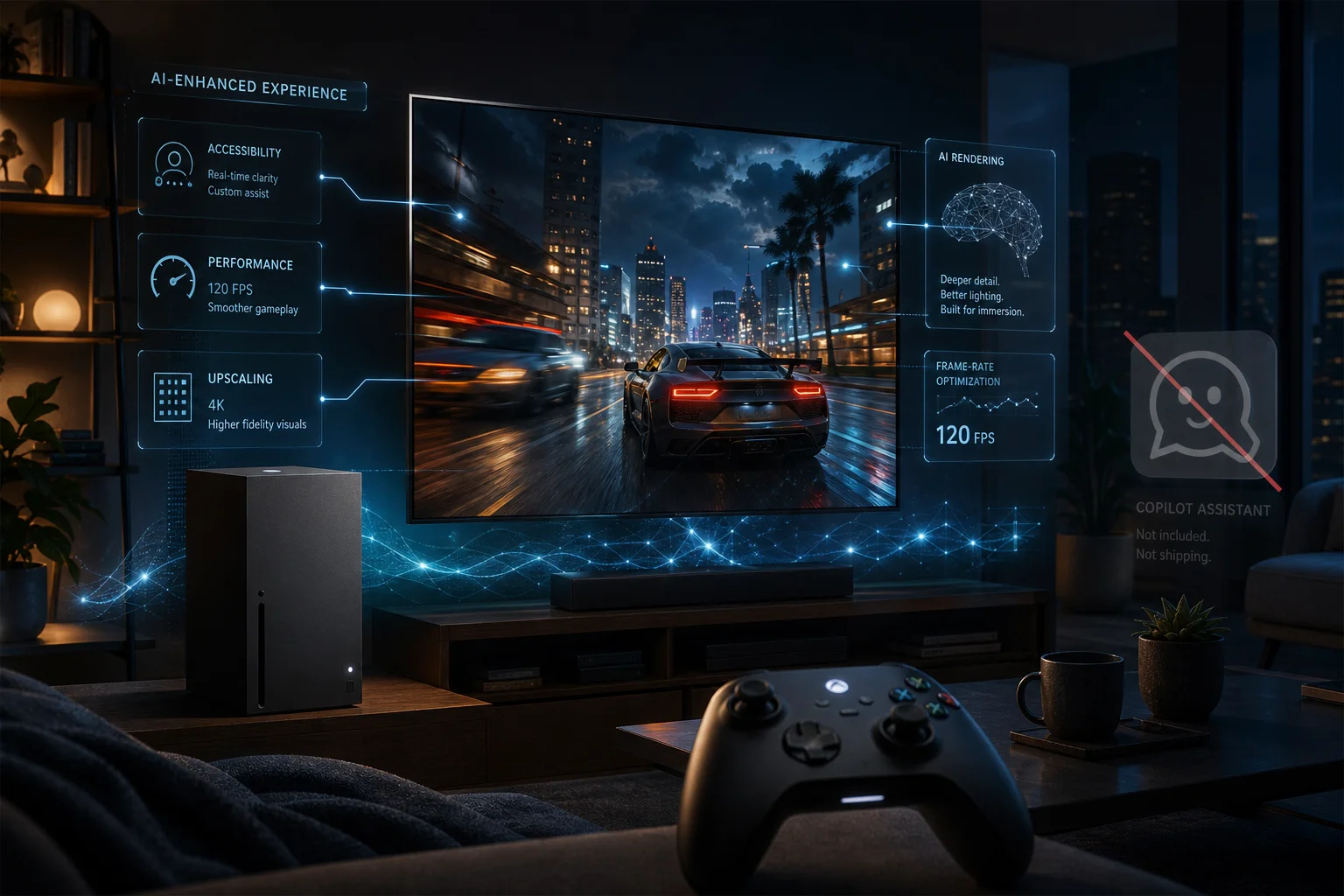
Sharma was careful to separate Copilot from AI as a whole. She said she still believes in AI, but pointed to technical uses that could actually improve games and hardware. Neural rendering was one example she highlighted, because it can help with upscaling, reduce the footprint on a device, and improve graphics.
That distinction matters. Players are often frustrated when AI is added as a visible feature that feels forced or unnecessary. But AI powered tools that quietly improve performance, visual quality, accessibility, or development workflows may be easier to accept.
| AI use case | Xbox’s current direction |
|---|---|
| Copilot as a console assistant | Removed from Xbox plans |
| Copilot on mobile Xbox app | Also removed |
| Neural rendering | Still seen as a useful investment |
| AI upscaling | Considered valuable for better graphics |
| AI for features players do not want | Lower priority under Sharma |
This is a more practical approach. Rather than putting Copilot everywhere because Microsoft is heavily invested in AI, Xbox appears to be asking whether a feature actually improves the console experience.
That may sound obvious, but it is an important shift. Over the past few years, many technology companies have pushed AI into products even when the benefit was unclear. Xbox backing away from Copilot suggests Sharma wants the gaming division to avoid that mistake, at least on consoles.
Satya Nadella gave Xbox room to make the call
One of the more interesting details is that Sharma said Microsoft CEO Satya Nadella gave her the freedom to make the best decision for Xbox players. Nadella has been one of Microsoft’s strongest champions of Copilot and AI across the company, so removing Copilot from Xbox could have been politically difficult.
Sharma did not directly say whether Nadella liked or disliked the decision. Instead, she framed it as an Xbox call. That is important because it suggests Xbox may have more room to make player focused decisions even when they do not perfectly match Microsoft’s wider corporate push.
For Xbox fans, that may be the most encouraging part of the story. Microsoft can still use AI where it makes sense, but Xbox does not have to force a Microsoft wide feature into the console experience if players are not asking for it.
The removal may help Xbox rebuild trust
The decision also fits into a broader attempt to reset Xbox’s relationship with its audience. Sharma has been speaking often about priorities, growth, exclusives, hardware pricing, Game Pass, and player trust. Removing Copilot from Xbox is a smaller move than launching a major game or announcing new hardware, but it sends a simple message: not every feature has to survive if players do not care about it.
That is especially important at a time when Xbox needs clearer priorities. Players want strong games, reliable services, better value, smart hardware decisions, and a platform strategy that makes sense. A console AI assistant was unlikely to rank high on that list for most people.
There may still be room for gaming AI in the future. A well designed help system could be useful for accessibility, difficult games, large RPGs, or younger players. But it has to feel optional, accurate, fast, and genuinely helpful. It cannot feel like another layer of software sitting between the player and the game.
Copilot on Xbox did not appear to meet that bar yet. If the feature required major investment and only attracted mild curiosity, cancelling it was probably the right decision.
The better path for Xbox is to use AI in places where it makes games run better, look better, load smarter, or become more accessible. Neural rendering and upscaling are stronger examples because they solve visible hardware and performance problems without demanding attention from the player.
Sharma’s decision shows that Xbox is willing to say no to a major Microsoft initiative when it does not fit the console audience. That does not mean AI is leaving Xbox entirely. It means Xbox is trying to be more selective, and that is exactly the kind of discipline the brand needs right now.



Discussion (0)
Be the first to comment.