



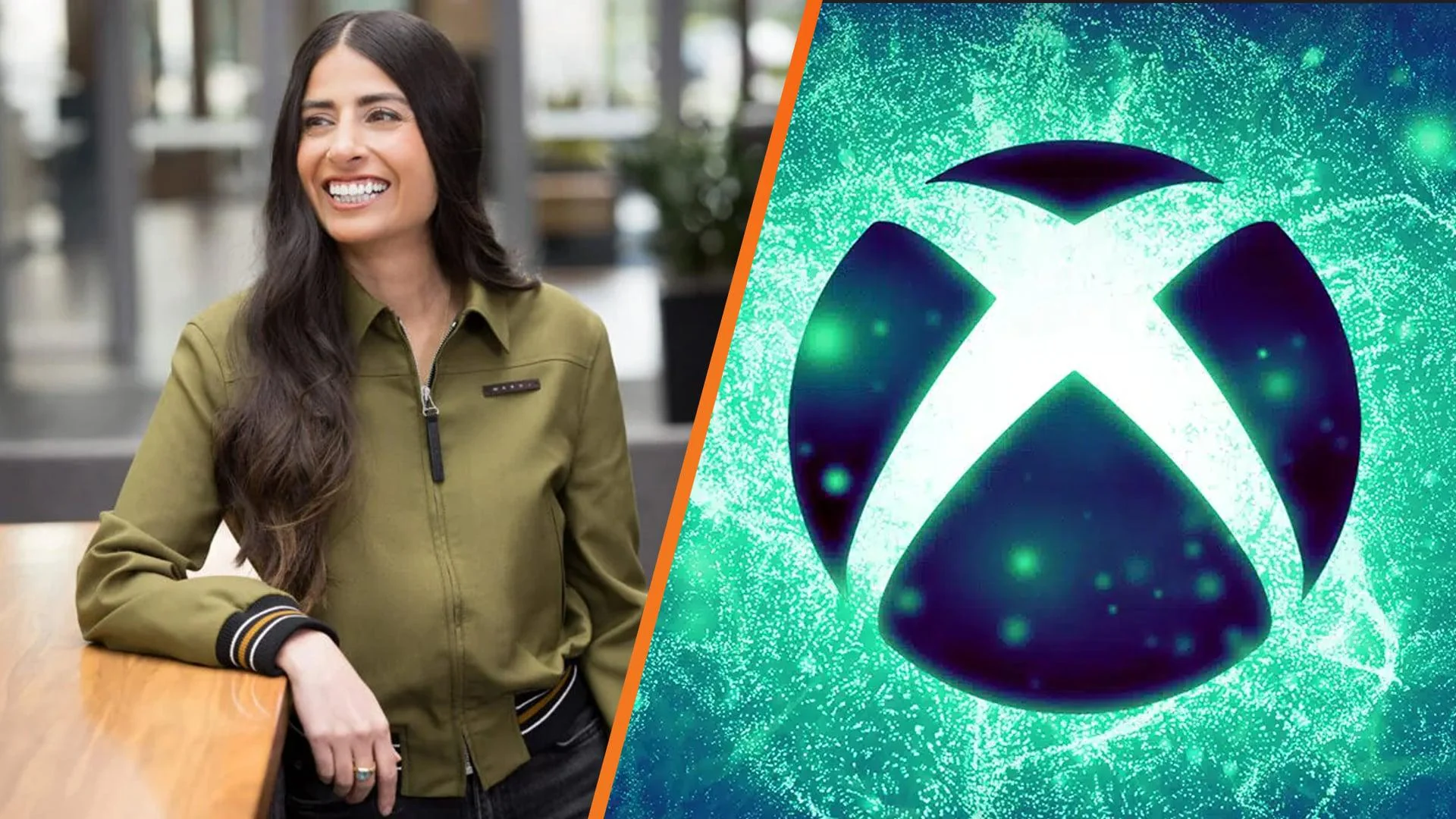
Xbox CEO Asha Sharma says Microsoft is still reevaluating how it should handle exclusive games, calling it a “tough topic” as the company tries to balance two very different goals. Xbox wants its games to reach large audiences, but Sharma also says a successful platform needs exclusive content and services.
That tension is now one of the biggest questions around Xbox. Microsoft is no longer only a console maker. After years of acquisitions and a wider push into publishing, cloud gaming, Game Pass, PC, and rival platforms, Xbox has become one of the largest game publishers in the industry. That gives Microsoft a strong reason to release games on PlayStation, Nintendo hardware, PC storefronts, and mobile platforms when possible.
At the same time, Xbox still sells consoles, runs a dedicated store, maintains Game Pass, and is preparing future hardware. A platform needs a reason to exist. For many players, that reason has traditionally been exclusive games. Sharma’s latest comments suggest Microsoft understands that problem, even if it has not fully decided how to solve it.
Xbox is caught between publishing reach and platform identity
Sharma said Xbox is the second biggest publisher in the world, which means it benefits when its games reach as many players as possible. That is especially true for huge franchises with existing audiences across multiple platforms. Games like Call of Duty and Minecraft are too large to treat like traditional platform exclusives without risking revenue, community size, and long term engagement.
But Sharma also said that platforms “must” have exclusive content and services. That is the key line. It shows Xbox leadership knows that a console or store cannot rely only on being another place to play the same games available everywhere else.
| Xbox priority | Why it matters |
|---|---|
| Reaching large audiences | Helps Microsoft earn more from its role as a major publisher |
| Keeping exclusive content | Gives players a reason to choose Xbox hardware or services |
| Supporting Game Pass | Keeps Xbox’s subscription model distinct from rivals |
| Growing the platform | Requires clear benefits for staying inside the Xbox ecosystem |
| Avoiding confusion | Players need to know what Xbox actually stands for |
The problem is that Xbox has already moved several games outside its own ecosystem. Some first party titles have gone to PlayStation, while other upcoming games are already confirmed for multiple platforms. That has created uncertainty among loyal Xbox players, especially those who bought into the ecosystem expecting Microsoft’s biggest games to remain tied to Xbox and PC.
A case by case approach may be the most likely outcome
Sharma did not announce a fixed rule. Instead, she said Xbox is looking closely at each title and learning from similar situations across the industry. That sounds like a case by case approach, where some games remain exclusive, some become timed exclusives, and some launch everywhere.

That may be the most realistic path for Microsoft. A strict return to old style exclusivity could leave too much money on the table, especially after the company spent heavily to become one of the biggest publishers in the world. But putting every game everywhere could weaken Xbox hardware, reduce Game Pass appeal, and make the Xbox store less important.
A middle ground would let Microsoft protect some titles while keeping its biggest multiplayer and service based franchises widely available. Single player games, new IP, and traditional Xbox franchises could be used to strengthen the platform, while massive live service games could continue reaching everyone.
The challenge is communication. If every announcement feels unpredictable, players will stay confused. Xbox needs a simple message that fans can understand. For example, it could make certain Xbox Game Studios titles exclusive to Xbox and PC, keep Activision’s largest multiplayer games multiplatform, and use timed exclusivity for selected Bethesda releases. That is only one possible model, but the important part is consistency.
Xbox needs exclusives, but it also needs trust
The debate is not only about business. It is also about trust. Many Xbox players have spent years building digital libraries, achievements, subscriptions, and friend networks inside Microsoft’s ecosystem. They want to know whether Xbox will continue to reward that loyalty.
If Microsoft keeps sending major first party games to rival platforms without offering something meaningful in return, some players may question why they should buy the next Xbox at all. That concern becomes even more important as Microsoft prepares future hardware such as Project Helix.
Exclusive games do not automatically solve everything. Xbox also needs strong hardware pricing, reliable first party output, better store support, and a clearer PC strategy. But exclusives remain one of the simplest ways to show that a platform has value.
Sharma’s comments are careful, but they mark an important admission. Xbox cannot act only like a publisher if it still wants to be a platform. It also cannot ignore the revenue that comes from releasing games more widely. The company now has to decide which games are meant to grow Xbox as a platform and which games are meant to grow Microsoft as a publisher.
That decision will shape the next era of Xbox. If Microsoft finds the right balance, it could keep Game Pass strong, give Xbox hardware a clearer purpose, and still earn money from other platforms. If it keeps changing direction, the confusion around Xbox’s future will only grow.



Discussion (0)
Be the first to comment.