



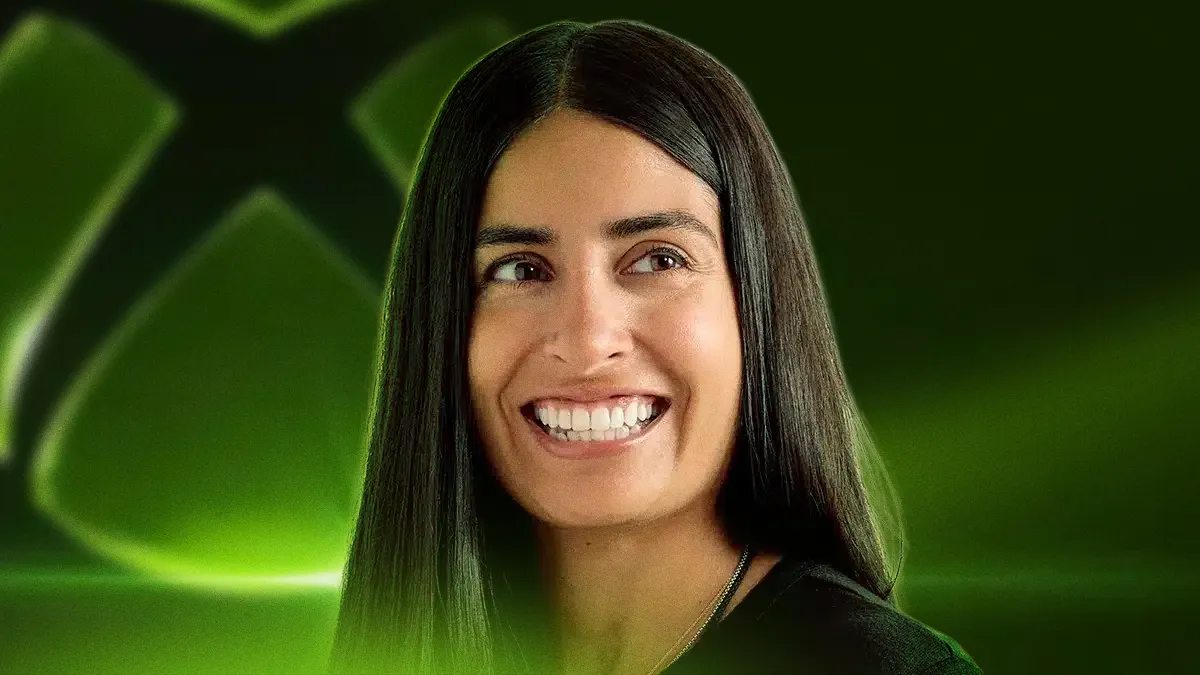
Xbox CEO Asha Sharma says the company has already started to “revive Xbox” during her first 100 days in charge, but the bigger work now is resetting the business so Microsoft can return the brand to growth and compete for the top spot in gaming and entertainment.
Speaking during a Bloomberg Live interview, Sharma said Xbox has moved faster in the last 100 days than it had over the previous year. She pointed to newly shipped features, a Game Pass reset after an eight month decline, and a stronger effort to reconnect with players and the Xbox community.
Her comments come at an important time for Xbox. The brand has spent years facing questions about console sales, Game Pass growth, exclusives, multiplatform releases, hardware pricing, and its broader identity inside Microsoft. Sharma’s message is that Xbox is not preparing to step back. Instead, she wants the company to reorganize how it invests, operates, and prioritizes.
Sharma says the next phase is about resetting Xbox
The clearest part of Sharma’s message is that Xbox needs to change how it runs. She said the next 100 days will focus on resetting the business, which means looking again at where money is going, what projects matter most, and how Xbox can return to growth.
That wording suggests Microsoft is not only thinking about games or consoles in isolation. Xbox now includes hardware, Game Pass, cloud gaming, PC, mobile access, first party studios, third party publishing deals, and multiplatform releases. A reset could affect any of those areas.
| Area | What the reset may focus on |
|---|---|
| Game Pass | Keeping growth stable after a period of decline |
| Hardware | Making Project Helix more affordable |
| First party games | Prioritizing releases that rebuild trust |
| Community | Getting closer to loyal Xbox players |
| Business model | Finding new ways to grow without relying only on console sales |
Sharma also said she wants Xbox to become the “number one” gaming and entertainment company by 2030. That is a bold target, especially when Xbox is competing against PlayStation, Nintendo, Steam, mobile platforms, and major publishers that are all fighting for player time.
Game Pass growth is central to the comeback plan
One of the most important details in Sharma’s comments is that Game Pass has reportedly returned to growth after an eight month decline. That matters because Game Pass has been one of Xbox’s main selling points for years. If the service slows down, Xbox’s wider strategy becomes harder to defend.
Microsoft recently changed Game Pass pricing, and Sharma described that move as part of the reset. The goal appears to be improving value and retention while keeping the service attractive to players who may have become frustrated by price increases or shifting tiers.
Still, Xbox will need more than pricing changes to keep Game Pass healthy. The service depends on strong game releases, clear messaging, and enough day one value to make players feel subscribed for a reason. Upcoming titles like Halo: Campaign Evolved, Gears of War: E Day, Fable, Clockwork Revolution, State of Decay 3, Persona 6, and others could help if they arrive on schedule and meet expectations.
Xbox has to prove the reset with action
Sharma’s comments are ambitious, but Xbox fans have heard big promises before. The company has spent several generations telling players that better times are coming. That is why the next few years will be judged less by interviews and more by results.

Xbox needs to show consistent first party output, clearer communication about exclusives, stronger hardware availability, better global support, and a convincing reason to stay inside the ecosystem. It also needs to explain how Xbox consoles fit into a future where more Microsoft games may appear on rival platforms.
Project Helix will be one of the biggest tests. Sharma has already spoken about keeping the next Xbox console affordable despite rising memory and storage costs. If Microsoft can deliver a powerful but reasonably priced system, it could help change the conversation around Xbox hardware. If the console is too expensive or too unclear in its purpose, the reset may struggle before it begins.
The same applies to exclusives. Xbox is now taking a selective approach, keeping some games tied to Xbox consoles and PC while allowing others to release more widely. That strategy can work, but only if players understand why some games are exclusive and others are not.
Sharma’s early message is that Xbox needs discipline, speed, and a stronger relationship with its players. That is the right direction, but it is also the minimum expected from a brand trying to recover momentum.
For now, the important takeaway is that Xbox leadership openly admits a reset is needed. The company wants to grow again, repair confidence, and become a much bigger force by 2030. The challenge is turning that language into visible progress. If Xbox can pair this business reset with strong games, fair pricing, better hardware, and clearer platform decisions, Sharma’s first year could become the start of a meaningful turnaround.



Discussion (0)
Be the first to comment.